Google advertising through Google Ads is a significant element in the field of online digital marketing. The primary factor that brings about success in a Google Ads campaign is really thorough keyword research combined with the right marketing strategies, which is very crucial to target the right customer and get maximum returns. What is keyword research, and why is it the key? To keep it simple, keyword research is the task of determining what words and phrases potential customers use in their browsers when they search for products or services of a kind of business from which they intend to purchase. It is all about knowing the search intent of the customer and the marketing approaches of competitors so as to create ads that increase sales and brand recognition.
The significance of keyword research is a recognition that cannot be put into words. Thorough keyword research opens up the eyes of business people to recognize customer segments and get traffic for their website, particularly by focusing on long-tail search terms. Marketing without it is like shooting blanks, and thus, time and money are wasted. Moreover, by using a sophisticated keyword strategy, it’s possible to elevate your ad’s positioning, guarantee quality scores, and have a successful campaign in general. In this article, we are going to explore the depths of Google Ads keyword research step-by-step. Read on for a detailed analysis!
Why Do Keywords Matter for Google Ads?
Keywords are everything central to your campaign on Google Search Ads. They indicate to Google the places where you want to put your bidding and the kinds of searches in which you want to appear. That is why they offer you more freedom to regulate campaigns and, at the same time, allow you to be present in the relevant searches. Thus, you get the opportunity to put your ads in front of people who are looking for products, services, or brands like yours.
And even if the selection of keywords seems to be a simple thing, you have to be very tactical. In other words, detailed keyword research is what will lead you to find high-intent keywords that have a substantial enough search volume to get you the needed exposure at a price that you are interested in (or can afford) paying. Running an ice cream shop and targeting every ice cream-related term that you can think of is not that simple.
Step-by-Step Keyword Research Process
Proper keyword research is not something that you do in an ad hoc manner, but rather it calls for a well-thought-out plan of action that strikes a balance between brainstorming and data analysis. By sticking to one method, you are less prone to forget significant opportunities, and you can decide which work to accomplish first in order to have the most critical effect.
Step 1: Brainstorm Initial Keywords

Brainstorm some general terms that best describe your company, the products, or the services. Think like a customer, and use their language when describing the offer or what they might be typing in the search engine to find solutions that you provide.
Step 2: Use Keyword Research Tools
You can improve the comprehensiveness of your list with the aid of the keyword research tool. For instance, these tools will show you the number of searches for particular keywords and the level of competition and the CPC for the particular keyword. They will also provide you with ideas for other keywords that you might not have previously considered.
Step 3: Analyze Keyword Metrics
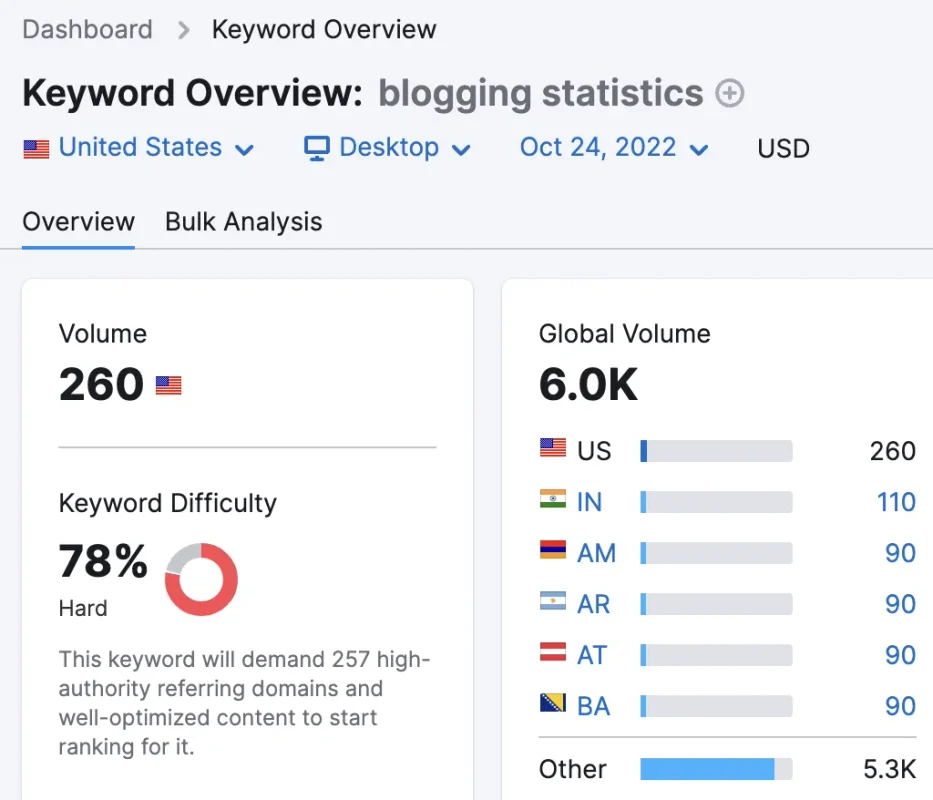
Focus on the keywords that indicate high search volumes, but the competition level is not very high. Always look at the CPC for each keyword; this way, you will be able to stick to your budget. High CPC keywords will need significant investment; however, they will bring you high value.
Step 4: Understand Search Intent
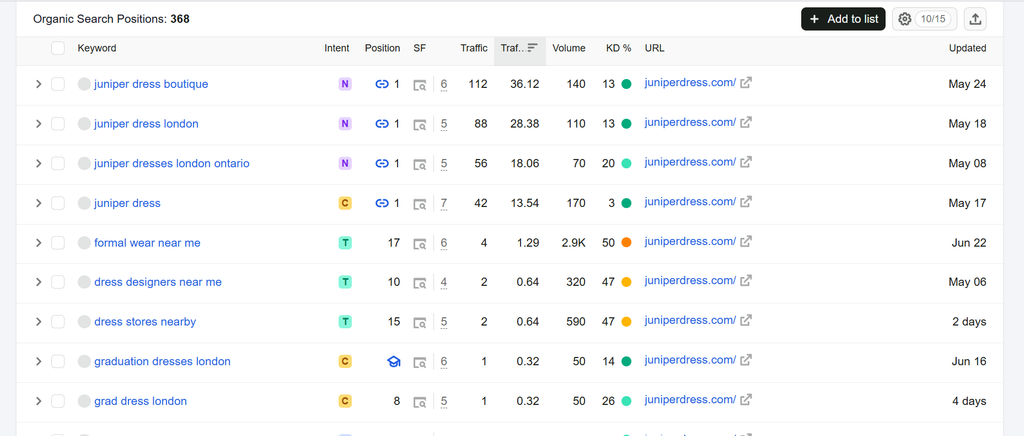
Understanding the intent of the user behind the given keyword is even more critical, especially when using tools like the Google Keyword Planner. Keywords can relate to four different types of intents: informational, navigational, transactional, and commercial investigation. The more your content and ads correspond with that intent, the more user engagement and conversions you will have, particularly if you optimize your match type.
Step 5: Look for Long-Tail Keywords
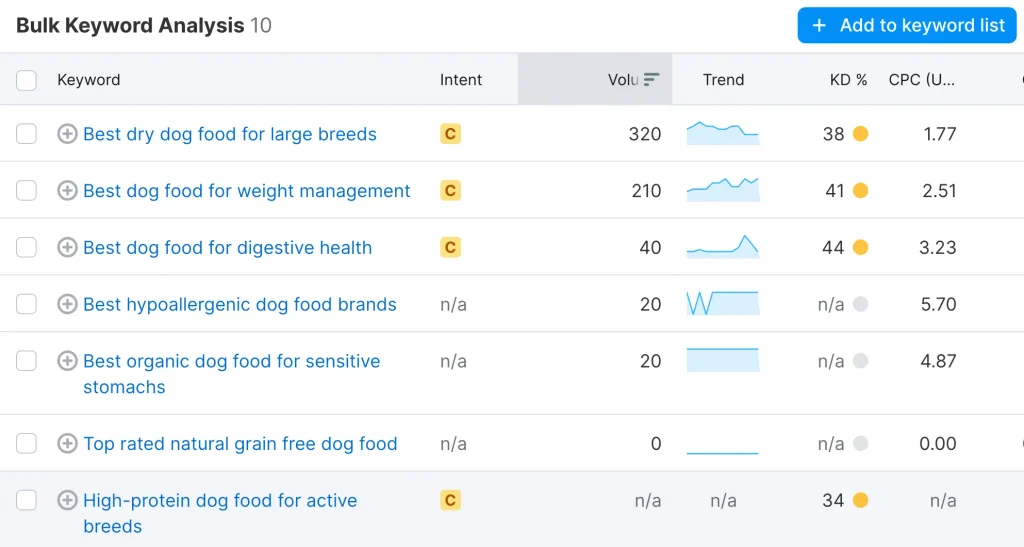
Consider using long-tail keywords: these are usually longer words or phrases used for search queries and are generally much more exact than normal keywords, making them ideal for targeted ad groups. They typically have lower competition levels, and the closer they are to the user’s search intent, the higher their conversion levels tend to be.
Step 6: Conduct Competitor Analysis
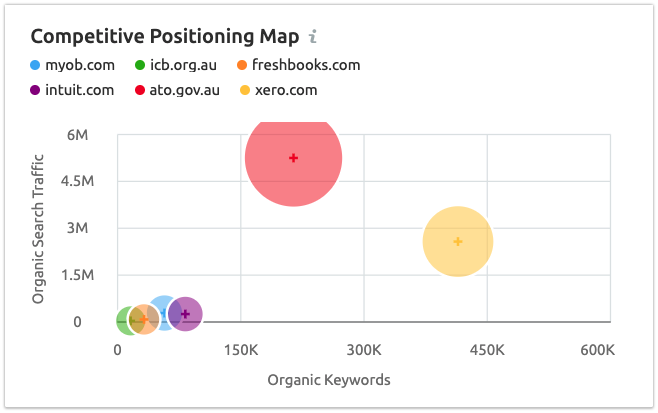
Find out about your competitors’ keywords through Google’s Auction Insights or SEMrush’s Competitive Positioning Map. Understanding what competitors target with respect to keywords can help you in different ways, including identifying potential negative keywords to exclude from your campaigns. It can give you a better insight into the trends of the market or, in some cases, it can reveal that there are gaps in your strategies.
Step 7: Organize and Group Keywords
If you group the keywords of your ad campaigns in Google Ads into tightly related groups, it will result in a more targeted and relevant ad; thus, you will improve your ad quality score and possibly lower CPC.
However, this is not a once-and-for-all exercise; keyword research must continue as you adapt to changing search terms and user behavior. The online market keeps changing, so it is definitely worthwhile to check and update your keywords from time to time. Study the performance of your marketing campaigns and then change your keyword plan according to the results obtained, ensuring that you are utilizing the Google Keyword Planner effectively.
Integrating Keywords into Your Google Ads Campaigns
Keywords that you want to use should first be found, and then you can use them in the ad copy, landing pages, and meta tags in a proper and thoughtful manner. The point is to make your ad as relevant as possible to the user’s intent, thus providing them with the information, product, or service they are seeking.
Implementation & Optimization
Proper keyword research is not only about finding the right words initially but also about constantly monitoring, optimizing, and strategically adjusting them. This is a constant state of improvement that keeps your keyword plan working as the search trends evolve, competition fluctuates and your business progresses.
Monitoring Keyword Performance
Frequently track the fluctuations in your keyword ranking by relying on exhaustive tools like Google Search Engine that provide access to detailed performance statistics right off the search engine of Google. This observation informs you about the best strategies in your specific scenario and the areas that you ought to improve.
Updating Your Strategy
Renewal of your keyword research after every quarter is good practice. This is needed to adapt to search trend changes, seasonality, and the new patterns of user behavior, which can be tracked using the ultimate guide to keyword research.
Strategy Update Triggers and Indicators
- Major algorithm changes from Google impacting search rankings
- Changes in business direction, target market, or strategic goals
- New product launches, service offerings, or market expansion
- Seasonal changes in search behavior and user interest patterns
- New competitors entering the market or market disruption events
Comprehensive Strategy Refresh Process
- Analyze the performance of current keyword targets through a detailed metrics review
- Identify new keyword opportunities in your industry and related areas
- Update competitor analysis and market research with fresh information
- Refresh content plans based on performance data and emerging trends
- Modify resource allocation according to ROI analysis and strategic priorities
Use ongoing content performance evaluation and direct customer feedback to find new keyword opportunities and incorporate them into your strategy. Adapt your keyword strategy to business modifications, product releases or target market alterations to make them realistic and current.
Final Thoughts
Performing effective keyword research for Google Ads is one of the main factors that digital campaigns can rely on for success. Constant evaluation of the performance metrics helps to refine the strategies continuously, while the changing Google Ads strategies include the latest trends and technologies.
Begin, if you haven’t yet, by experimenting with your own keyword research. Apply the strategies above to improve your Google Ads tactics today to achieve improved results tomorrow. Continue experimenting, adjusting, and persisting on the road to comparable success in online marketing.

Vijay Sood is a seasoned digital marketer with a passion for driving online growth and innovation. With a robust background in developing and executing comprehensive digital strategies, Vijay excels in leveraging SEO, content marketing, and social media to boost brand visibility and engagement. His expertise lies in transforming data-driven insights into actionable marketing campaigns, helping businesses achieve their digital objectives.