The hospitality sector is changing drastically, as the behavior of guests is rapidly changing and the industry is becoming more competitive through the use of digital technology. Travelers these days are not only interested in luxuries when choosing a hotel or destination, but they also value marketing efforts that resonate with their target audience through effective social media marketing. Since technology has become the main tool for guests to find, review, and interact with hospitality brands, the businesses have to embrace influencer marketing to reach their target audience.
The next generation of hospitality is all about creating memorable experiences through effective social media marketing and influencer partnerships. In this article, we will discuss the key innovations in digital marketing that are revolutionizing guest experiences and enabling hospitality brands to leverage social media marketing for the future.
Why Digital Marketing Strategies Are Important for the Hospitality Industry
The hospitality brands that want to be on top in a market that is changing very fast have to think digital first. These innovative techniques help hotels to not only make the guest experience memorable but also to get higher engagement and conversions.
- Drives Direct Bookings and Increases Revenue: The main point here is the attraction of customers through owned channels (for instance, the hotel website), which allows businesses to lessen the dependence on Online Travel Agencies (OTAs) that usually charge a high commission, and as a result, profit margins are increased.
- Builds and Maintains Brand Loyalty: An ongoing, appealing, and interactive presence on social media combined with personalized email communication helps to get in touch not only with the previous but also with potential guests; thus, one-time visitors are converted into friends that come back regularly.
- Enhances Visibility in a Competitive Market: The wise implementation of techniques such as SEO, local search, and paid ads makes sure that a business is ranked at the top of search results; hence, it is easily found exactly when travelers are planning their trips.
- Allows for Personalized Guest Experiences: Using digital data collection and analytics tools, companies can grasp the preferences of the guests and personalize the offerings, promotional messages, and communications to make their journeys more comfortable and satisfactory.
- Manages Reputation and Customer Feedback: The online world gives a chance to not only keep an eye on and respond to reviews but also handle the brand story and quickly solve issues, which is very important for the attraction and retention of trust as well as credibility.
Top Innovative Digital Marketing Strategies for Hospitality Industry
The hospitality brands that want to be on top in a market that is changing very fast have to think digital first and leverage social media platforms effectively. These innovative techniques help hotels to not only make the guest experience memorable through effective marketing campaigns that also aim to get higher engagement and conversions.
1. Personalization Through Data Analytics
Knowing what the guests want is now essential to giving them a phenomenal experience. Data analytics reveals the insightful behavior, preferences, and expectations of the travelers. When hotels or travel agencies use predictive analytics and CRM systems for data collection, they personalize the products to fit the specific individual requirements.
For instance, if through their previous bookings one can infer that a guest likes hiking in the mountains, you can recommend a nature trail trip or simply discount the areas related to their favorite activities so that they feel more comfortable and valued.
2. Engaging Content and Storytelling
Captivating content is at the core of successful digital marketing strategies in tourism and hospitality industries. By sharing the stories related to the attractions, cultural experiences and guest testimonials, the countries are brought to life, emotionally connected, and on top of that, it persuades the consumers to stay loyal to a particular brand.
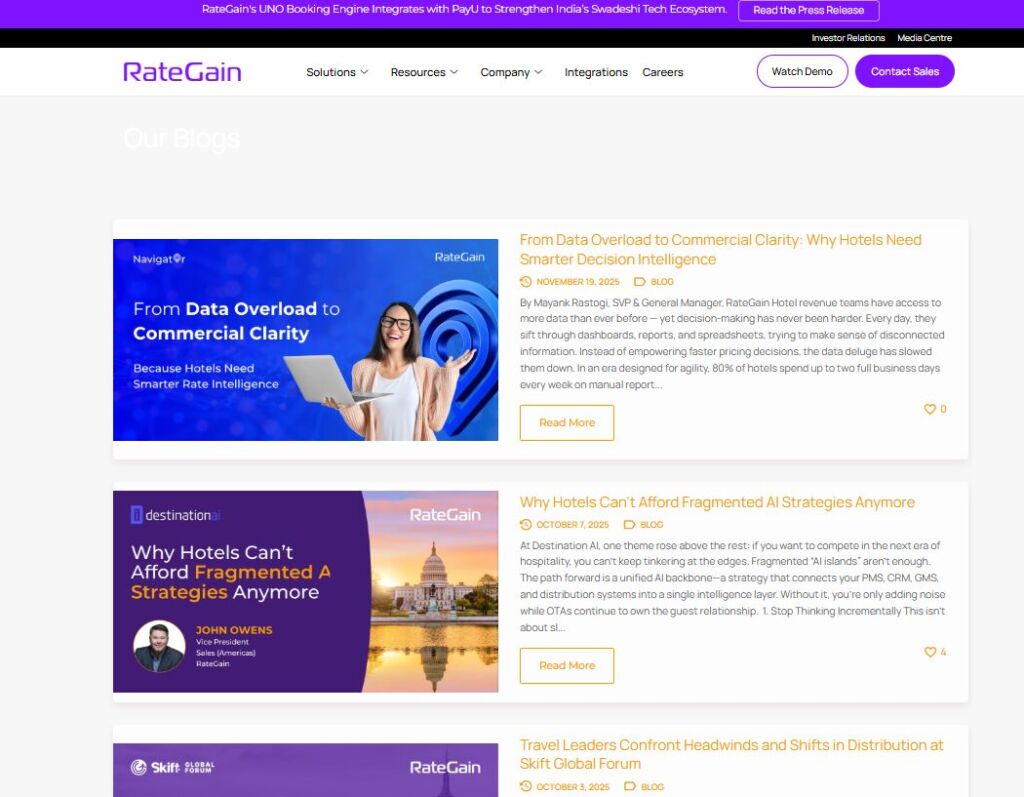
Stories become more potent when delivered through social media, blogs, and videos, providing a new kind of platform for companies to exhibit their unique offerings like eco-tourism or luxury lodgings via audiovisual and educational content.
3. Tailored Pre-Booking Experience
Guest experience is a thing that starts way before a traveler sets foot in your hotel. You can reach out to potential guests via targeted ads, social media campaigns, and personalized email marketing, enhancing your marketing efforts. Implementing a direct booking chatbot on your site can also help to make the booking process more straightforward.
Customer data and preferences, when analyzed, will help you to customize their marketing messages so as to attune to the singular needs of each guest. This technique not only brings the right audience through your door but also lays the ground for a good experience.
4. Seamless Booking Process
The ease with which a visitor accomplishes a booking can greatly affect the overall experience of the visitor. When your site is easy to navigate and also mobile-friendly, it will be more effective to attract people who want to make a quick and convenient booking. Also, you may use retargeting ads to attract potential customers who left their bookings halfway without completing them back to your website.
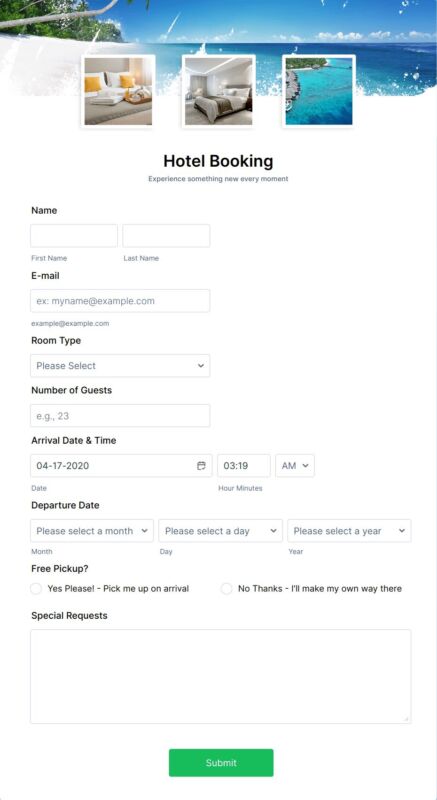
Travelers usually become more excited about a trip when they encounter an easy booking process. They like the fact that it is convenient and view your hotel as a place that is responsive to their needs, thus giving them the feeling of having a nice experience already.
5. Personalized Arrival Experience
The moment guests arrive at your place, you have the opportunity to make their check-in experience pleasant and more of their personal style. With the help of mobile check-in services and keyless entry gadgets, which are normally advertised through online marketing channels, visitors are free to come and go as they please without waiting in line at the reception; hence, they can proceed straight to their room. Besides time-saving, this procedure makes visitors feel somewhat special and comfortable with the situation.
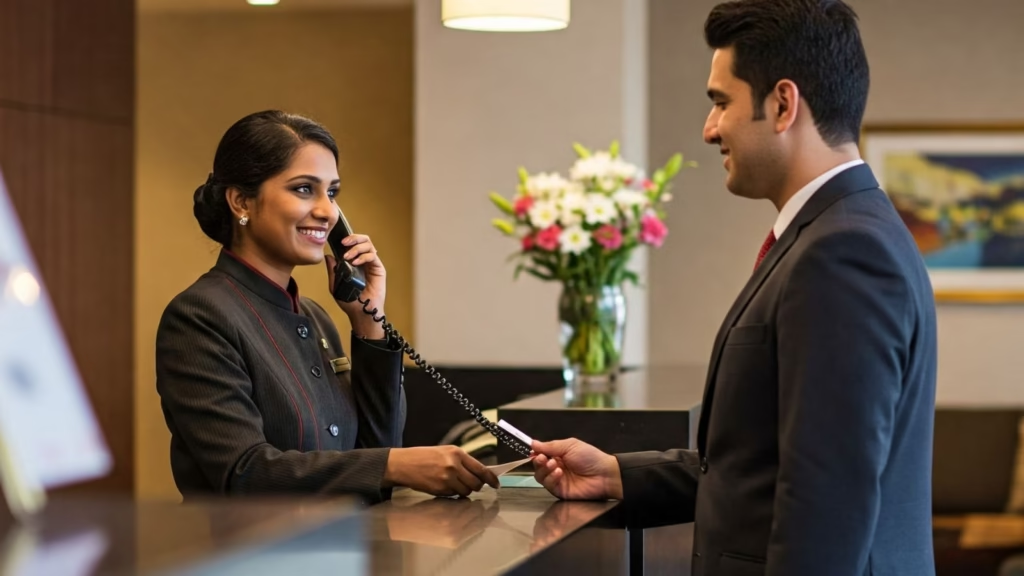
Another way of giving the visitor a personal experience at the time of their arrival is through targeted marketing campaigns. In case a guest is identified as celebrating a particular milestone, then a congratulatory note or a special offer sent via the targeted marketing campaign will enhance their experience. Such small things done by the hotel create an unforgettable image and make the guest feel like a valued person, which is essential in influencer marketing.
6. Targeted In-Stay Communication
After the guests have gotten comfortable in their accommodation, digital promotion becomes a significant instrument in augmenting their delight. In-hotel communication, such as mobile applications or SMS can be employed by you to give tailored suggestions, service relaxations updates and local attraction news. You can raise guest happiness and keep the service quality at a high level even with your overworked team by providing 24/7 messaging alongside utilizing technology to automate the answering of guest questions and requests.
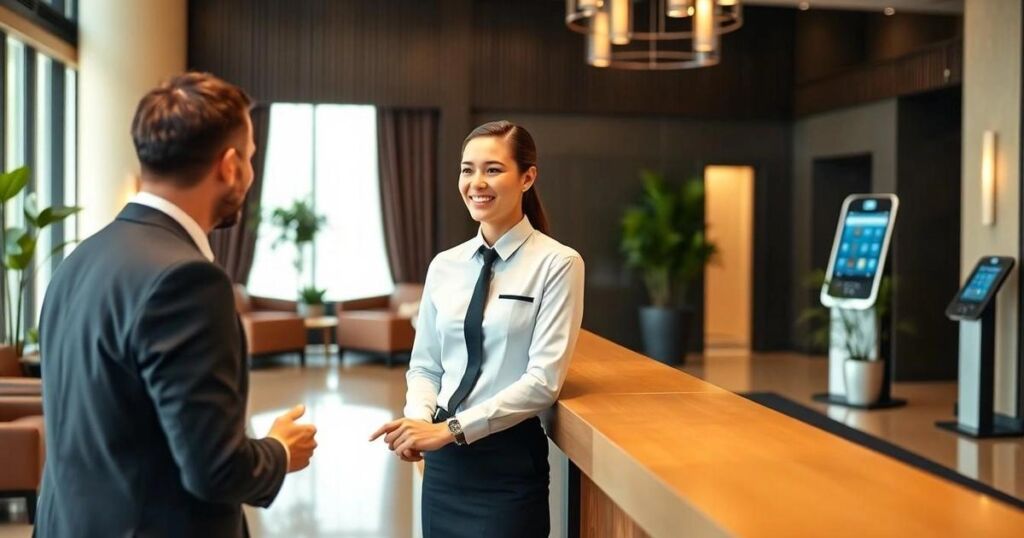
Besides letting visitors be up-to-date, the operation also motivates them to use and enjoy their stay further. In case a visitor mentioned that they like outdoor activities, then you could provide them with trail info or bicycle rental suggestions close by.
7. Harnessing Guest Data
At the core of effective digital marketing is the use of data from guests who have given their consent. By way of collecting and scrutinizing data concerning guest desires, habits and opinions, you can always adjust your digital marketing tactics. This method, which involves working with real-life data, leads to making better decisions, foreseeing guest needs, and giving them highly personalized content.
With assistance from digital marketing, hotel guest experience could be radically improved for each stage of the trip. This period of digitization places hoteliers who spend on digital marketing in a better position to tackle the new demands from modern travelers and create such experiences that will make guests come repeatedly.
8. Focus on Online Reputation Management and Reviews
Reputation on the web is very important for any business in the hospitality industry, especially when utilizing social media platforms for effective influencer marketing. TripAdvisor, Google Reviews and Yelp are perfect places where a traveling community can get information. Companies should work hard to create chances for their online presence through facilitating good reviews and replying to customers without delay.
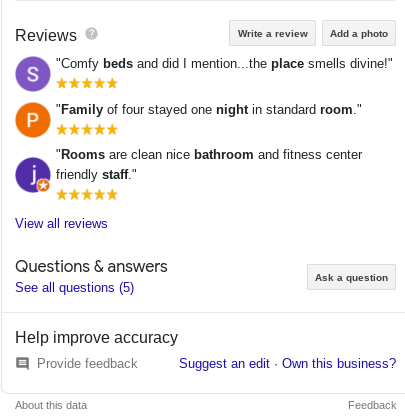
Such a good standing will develop customer trust and business credibility, which are the major contributing factors to getting new customers. Any business that can handle criticism tactfully and use customer suggestions as tools for service improvement becomes a brand that customers love because of their customer-centric approach in their marketing campaigns.
Conclusion
The hospitality industry is on the verge of a new era. With the help of innovative digital marketing strategies, hotels and resorts have the opportunity to deepen their emotional bonds with customers, make the guest journey more efficient from start to finish and stand out in an increasingly crowded market.
In essence, hospitality companies that spend on clever, future-ready digital strategies are not only increasing the number of their customers but are also building long-term loyalty, elevating brand credibility and creating memorable experiences that travelers carry with them long after their stay.

Vijay Sood is a seasoned digital marketer with a passion for driving online growth and innovation. With a robust background in developing and executing comprehensive digital strategies, Vijay excels in leveraging SEO, content marketing, and social media to boost brand visibility and engagement. His expertise lies in transforming data-driven insights into actionable marketing campaigns, helping businesses achieve their digital objectives.