The world of AI for content creation is where possibilities are endless and results are game-changing. In contrast to traditional methods, AI-based solutions are the fastest and are transforming the whole metabolism of how businesses and content creators can produce new content by using the three major technological bases of machine learning (ML), deep learning, and natural language processing. The technologies above, combined with AI (artificial intelligence), have triggered a revolutionary wave across many industries, and the content creation industry is just within the line of fire.
The technology is becoming more and more powerful and at the same time more integrated into the daily business routines and business applications that range from virtual assistants to autonomous vehicles. This article explores the future of AI in content creation and how it can equip businesses to enhance their ability to create engaging and impactful content.
Understanding OpenAI GPT-4
Artificial intelligence has taken a giant step forward in the last few years in different areas. One of the most innovative breakthroughs is GPT-4, a super-sophisticated language model that can not only change the way businesses get the information they need but also automate the entire process and perform the analysis. The generation of the large language model of OpenAI is called GPT-4 or Generative Pre-trained Transformer 4, which is aimed at producing human-like model outputs by calculating the most probable result based on the context of the input given.
On the comparison basis with previous models like GPT-3, earlier models, and GPT-3.5, GPT-4 makes leaps of improvement. The bigger size of the model enables it to recognize not only the intricacies of the language but also the subtle aspects of it. Moreover, it features the ability to draw better relationships between the contexts, thus leading to more logical and correspondingly accurate content generation. GPT-4 is being heralded as a significant milestone for AI content creation, therefore offering an effective tool to the users for the generation of high-quality, engaging content.
Top Transforming Capabilities of ChatGPT-4 in Digital Marketing
In the ever-evolving digital marketing landscape, the infusion of ChatGPT, a popular chatbot and AI model developed by OpenAI, catalyzes a paradigm shift in how businesses craft and execute their strategies. With ChatGPT users increasing worldwide, especially via ChatGPT Plus, the role of advanced AI becomes essential.
1. Content and Image Creation
Marketing departments and teams often find themselves in situations where they have to produce a lot of content in a short span of time and content for many different purposes and distribution channels. However, creating good content takes time and effort, and a lot of marketers are time- and resource-poor. However, creating good content takes time and effort, and a lot of marketers are time- and resource-poor.

AI writing prompts will also assist you in coming up with attention-grabbing titles and personalizing your content for your audience, thus being a driver of personalization. Furthermore, you can employ AI in your influencer marketing campaigns to increase their effectiveness and streamline the process of building and managing your relationships.
Leveraging these instruments is a time and money saver. Nevertheless, ensure that you skim through any content before releasing it to the public so as to ascertain that it has character and is compatible with your brand voice. Such tools comprise authentic instances that facilitate the transition of workflow through text inputs, query handling, and quality output generation.
2. Customer Service and Support
AI-powered chatbots have been used for quite some time as a means of communication with customers and as a source of information for them. In case of a need for prompt answers to simple questions or a brand interaction, users primarily turn to a chatbot.

Still, AI’s role in customer-facing processes is more significant. Through AI, a customer experience can be uplifted by content personalization and targeted messaging, predicting customer needs, simplifying buying processes, and guiding customers with questions or worries to the correct department or staff member. Besides that, AI has the potential to mimic human behavior in a large number of everyday situations, thus facilitating the customer journey across various channels.
3. Ideas for A/B Testing
A/B testing, or split testing, is a marketing experiment where marketers split their audience to test different campaign variations and figure out which one yields better results. As an example, it is possible to demonstrate version A of a marketing content draft to half of the audience and version B to the other half, thus defining the overall effectiveness.
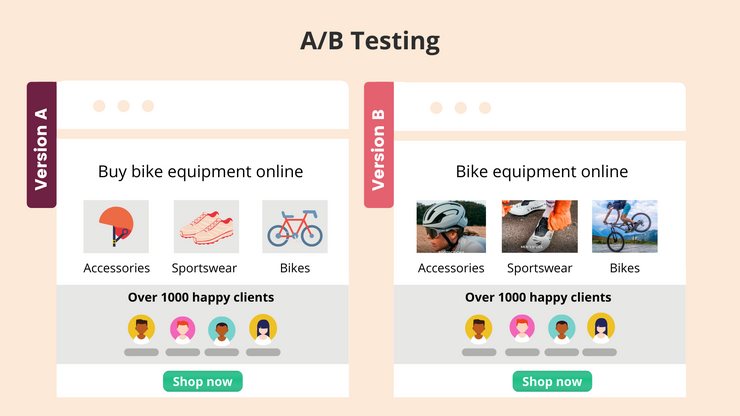
Moreover, ChatGPT can be used for A/B testing experiment automation to discover valuable campaign insights. This is beneficial for marketers to decide the most appropriate version for a specific campaign, thereby indicating the impact of training data; training the model involves using a diverse dataset and human feedback.
4. Getting a Quick Summary of Information
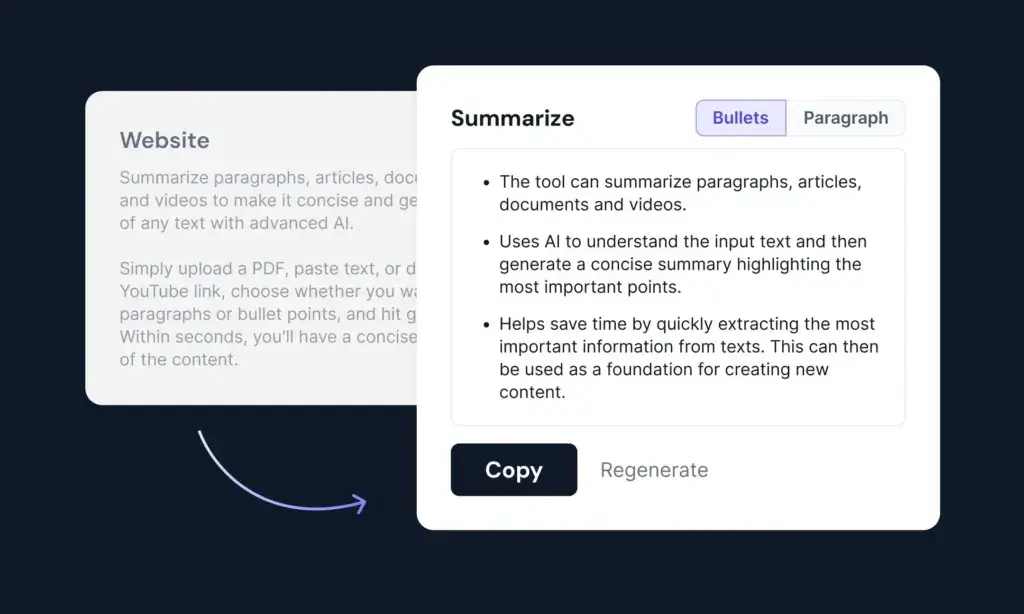
ChatGPT is capable of performing searches on the Internet for particular user requests and then providing a preview of the results generated by GPT-4. By generating concise yet highly relevant content, GPT-4 significantly enhances efficiency, making marketers’ work easier and ultimately delivering a smoother, more satisfying customer experience
In agent-based customer servicing, ChatGPT can be employed for multiple interactions, thus drastically cutting down the time needed for solving the problem. The point of these interactions is that they provide evidence of how well ChatGPT performs various tasks, especially when the inquiries are complicated.
5. Keyword Targeting Suggestions
With the help of ChatGPT, marketers can make their keyword research more efficient by having the AI suggest alternative words or phrases for main keywords. For instance, if the main keyword is ‘bespoke kitchens,’ ChatGPT will suggest alternative words like ‘custom kitchens,’ ‘unique kitchens,’ or ‘personalized kitchens.’
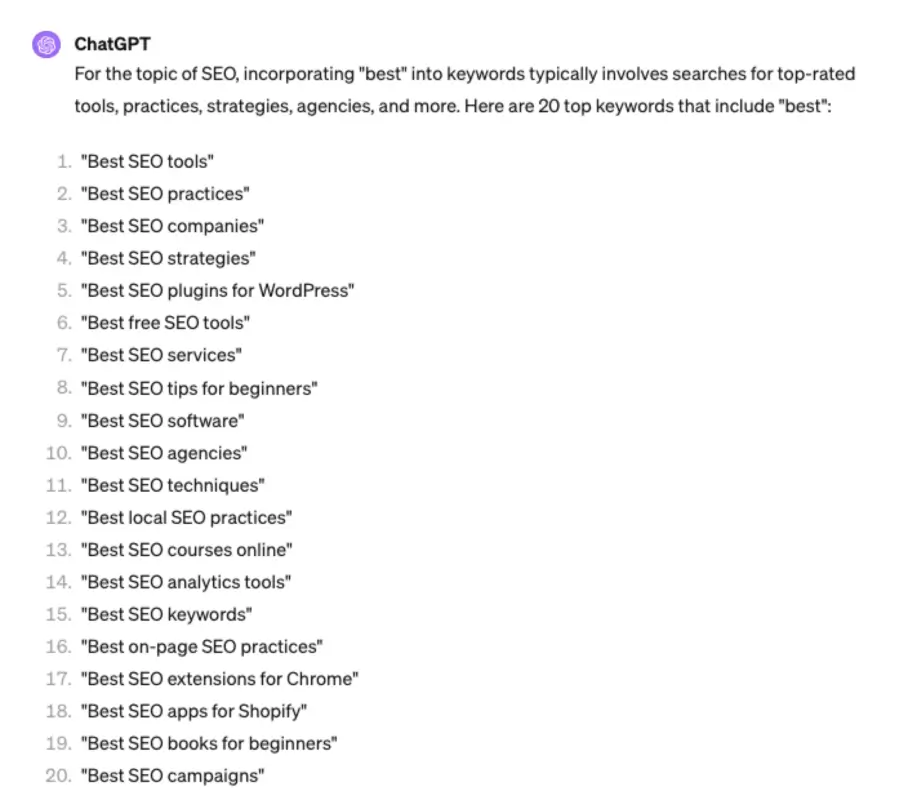
The reason for doing this is to help marketers include human feedback in their strategies, such as words in the content of their landing pages/blog posts/PPC campaigns and thus strengthen their on-page optimization strategy.
6. Pay-Per-Click Advertising
PPC (pay-per-click) advertising represents a kind of marketing where the advertiser is charged only when a user clicks on the ad. PPC marketing is quite helpful, as it is capable of attracting new customers via targeted campaigns, producing results in a short period, and providing options for easy tweaking and optimization.
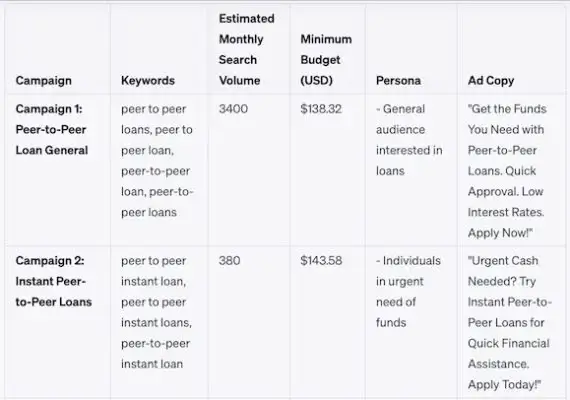
You can take advantage of AI technology to upgrade PPC campaigns by optimizing the following:
- Keyword research
- Bidding and targeting
- Ad creation
- Ad scheduling and placement
- Predictive analysis
- Fraud detection
As AI tools develop, advertisers will be able to use new ad formats, targeting methods, and measurement tools for PPC.
7. Data Analytics
The amount of data present from a large number of channels may make marketers feel like they are drowning. Artificial intelligence, on the other hand, is capable of handling vast quantities of data in a very short time. This is instrumental in finding patterns, predicting trends, and driving hyper-personalization.
ChatGPT is very proficient in data analysis, particularly when using GPT-4 and its Advanced Data Analysis plugin. This allows you to provide a spreadsheet to ChatGPT, which then assists you in uncovering hidden insights.
8. Email Marketing
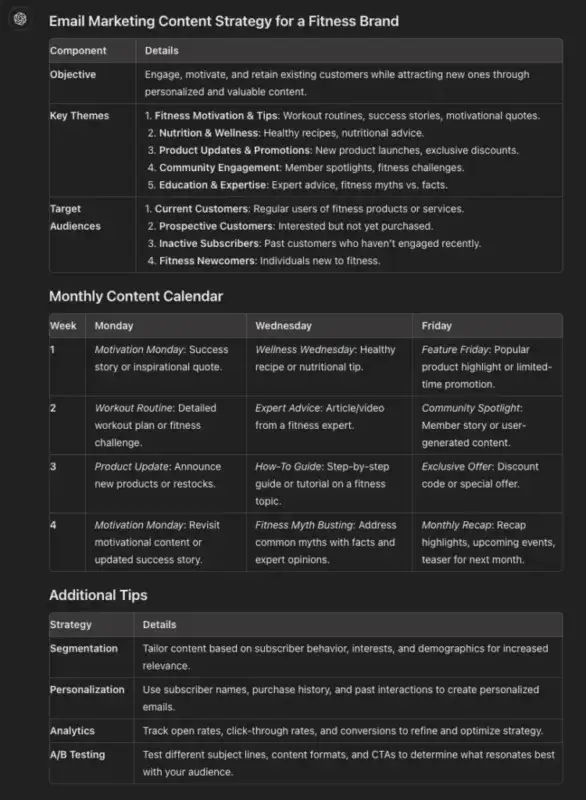
Artificial intelligence (AI) tools can be a great help in your email marketing campaign, as they not only save your time but also increase the performance of the campaign. Incorporating AI in emails can help you:
- Analyze email performance
- Create triggered workflows
- Conduct campaign and workflow analysis
- Craft copy tailored to your audience
- Personalize content
- Enable dynamic content
- Perform A/B testing
Besides, AI technology can also assist your email marketing by selecting a perfect mailing list and determining the optimum mailing frequency.
Future Trends and Predictions
The rise of ChatGPT has put the digital marketing world in a state of flux.
1. Evolution of ChatGPT 4.0 and Beyond
The subsequent versions of ChatGPT will be equipped with advanced capabilities, further improving not only the generation of content but also the comprehension of the language. This progression portrays continued development, foresight, and refinements within OpenAI’s domain. Your expectations can be set for the eventuality of the improvements that make GPT-4 more efficient and also safer.
2. Integration with Emerging Technologies

Combining ChatGPT with cutting-edge tech such as AR, VR, and voice recognition will allow the creation of immersive experiences in the real world that can be enhanced by human feedback.
3. Enhanced User Experience in E-commerce
E-commerce platforms powered by GPT-based tools that can comprehend complicated problems in a certain field might deliver improved product recommendations and all-inclusive shopping guidance.
4. Voice Search Optimization

As voice searches are becoming increasingly popular, ChatGPT is going to be a big help for marketers in this area by making sure that content will be ready for voice queries. Language models like GPT-4 which have the capability of handling complex tasks and generating better responses, will play an essential role in this.
Conclusion
The future of AI in digital marketing is not only innovative but also transformative. One of the most advanced models, GPT-4, is changing the way content is created, analyzed, and personalized. One of the use cases is that businesses now have the power to elevate every stage of their marketing strategy. Besides generating top-notch content and improving customer service, the company can optimize PPC, email campaigns, and data analytics. The transformation brought by AI in the workflows is done at an unprecedented speed and with great precision.
The fusion of AI with emerging technologies in real-world like AR, VR, and voice search is fascinating, and marketers who jump on board early will be the ones to reap the most significant benefits. The secret doesn’t lie in treating AI as a mere tool but instead collaborating with it to make smarter decisions, gain deeper insights, and offer more meaningful customer experiences. AI tools from OpenAI, like ChatGPT-4 systems, are prime examples of how language models, sophisticated AI, and AI infrastructures will herald the next phase of the digital revolution.

Vijay Sood is a seasoned digital marketer with a passion for driving online growth and innovation. With a robust background in developing and executing comprehensive digital strategies, Vijay excels in leveraging SEO, content marketing, and social media to boost brand visibility and engagement. His expertise lies in transforming data-driven insights into actionable marketing campaigns, helping businesses achieve their digital objectives.