Sustainable marketing is no longer a small thing; it is a part of how companies do business now. Modern consumers are more informed and environmentally conscious than ever, demanding that brands do more than just sell products; they want brands to stand for something. Sustainable marketing is when companies promote their products and services in ways that are good for the earth and people. It is essential because it helps companies do what is right for the environment and people, and it also helps them make money.
The best examples of marketing are when a company’s values are a big part of how they do business. This means their values are seen in everything they do, from getting the things they need to talking to their customers. In this article, we will look at some examples of sustainable marketing that make a real difference. These examples help companies make people happy and build a relationship with them, which is essential in the long term for fostering brand loyalty.
What is Green Marketing?
In green marketing, businesses focus on their brand, goods, or philanthropic initiatives by highlighting their sustainability initiatives and sustainable practices. When it first started, it was a way for businesses to talk about how they were helping the environment and how their products had changed to meet customer demand for better products.
Green marketing is a great way to show that a brand cares about saving the planet, and promoting eco-friendly goods and practices is an essential part of any company’s marketing plan. Many companies say they give a portion of their profits to environmental causes, but only a few can say that their entire business model is based on ecological concerns.
There are several merits attached to green marketing, including:
- Taking social and environmental obligations very seriously.
- Making business decisions that are good for the environment.
- Standing out in a crowded, increasingly competitive marketplace.
- Building trustworthiness for a brand.
- Providing long-term prospects of growth.
- Helping people make better decisions through education.
- Keeping costs low and increasing profitability.
- Using less energy reduces greenhouse gas emissions.
- Improving the well-being of the general public.
- Developing closer relationships with the people you are trying to influence
10 Green Marketing Examples to Help Inspire You
People who are new to marketing might think that only tiny companies can really change their ways and become green businesses. Green marketing is not just for companies. Any company can become a business by making the right changes to its practices. Green marketing is about making choices that help the earth, and green businesses are companies that make these choices every day.
Take a look at these ten real-world green marketing examples from brands:
1. Patagonia
Patagonia is concerned about climate change and wants to make its products in ways that are better for the environment. The company is also very open, with customers saying the outer part of their jackets is made from fuel, which is not very green. Patagonia is trying to be honest. That is good. As long as people know that Patagonia really wants to help the earth, it will not hurt the company’s reputation. Patagonia wants to make things better. That is what matters to people who care about the planet and climate change.
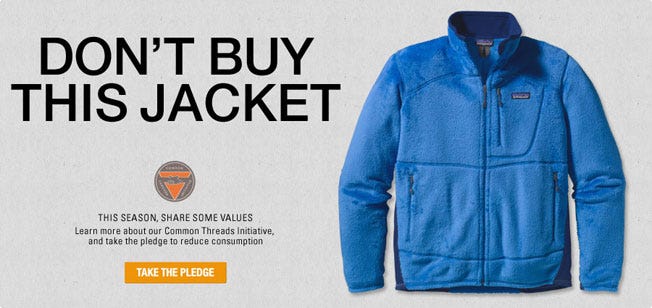
The Common Threads Recycling Program is outstanding at helping the environment. The main idea of the Common Threads Recycling Program is to help people use things they already own for a time. This way, people can get use out of the things they bought from the company. The Common Threads Recycling Program is one of the ways the company supports the environment.
For the past five years, Patagonia has kept or gotten even better at being a certified B Corporation. The company also gives a lot of money to projects that help people farm sustainably, for the earth. These projects teach people about farming techniques. They also help protect animals that are in danger and restore forests. The company gives millions of dollars to projects that support farming techniques, the conservation of endangered species, and forest restoration.
2. Bee’s Wrap
Bees Wrap is a Vermont, USA-based company. They make food wraps from organic cotton, beeswax, and jojoba oil, aligning with their sustainable products mission. Bees Wrap is a choice because these wraps are a good alternative to using plastic wrap that you throw away after one use. Bees Wrap is helping people use single-use plastic wrap.
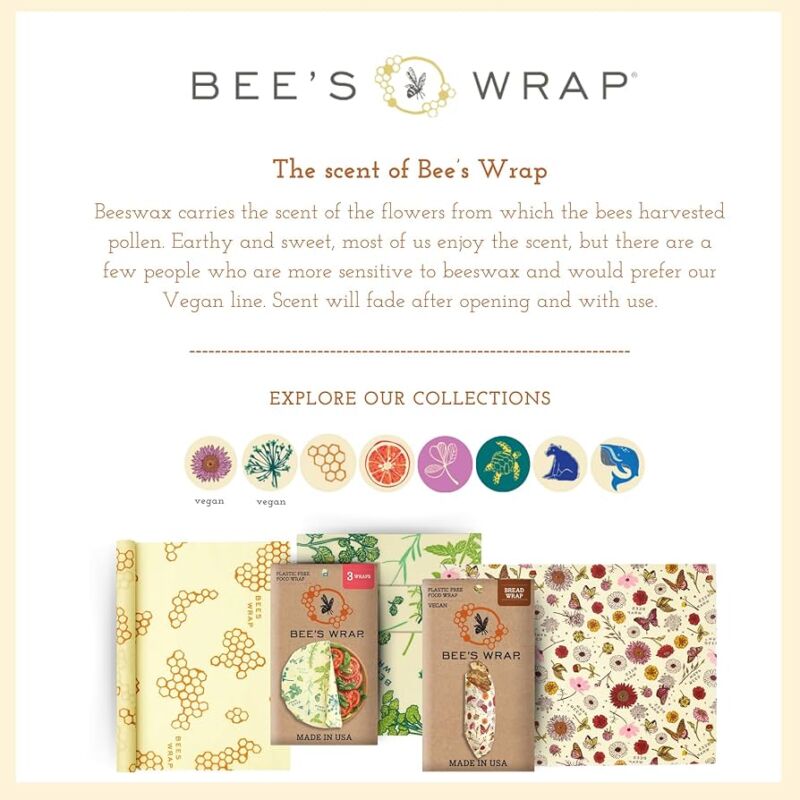
Bee’s Wrap is about teaching people that plastic waste is awful for the environment. They want people to know that using reusable items is better. The people at Bees Wrap make sure everyone knows that they use things to make their products. They really want to cut down on waste. Bees Wrap also talks to customers in the media and works with people who care about the earth to help spread the word about Bees Wrap and what they do.
Bee’s Wrap is really popular with people who care about the earth. Because of this, more people are now using ways to store their food, which is good for bees and for the planet. People are starting to think about how they can store food better for the environment, and Bees Wrap is a big part of that.
3. Oceanfoam
Oceanfoam is a business that’s good for the environment and committed to sustainable marketing strategies. It makes things that people can use when they are active, like when they go to the beach or hike. Oceanfoam uses materials people throw away and special ocean plants to make these products. The people at Oceanfoam want to help keep the sea clean, so they tell everyone about what they’re doing to help. Oceanfoam is doing this to help make the ocean a healthier place.

Zachary Quinn, the CEO and founder of Oceanfoam, talks about this on an episode of Shopify Masters. He says that the environment is critical to Oceanfoam. “I wanted Oceanfoam to be a brand that helps the environment. I wanted Oceanfoam to be connected to the ocean and our planet, and I wanted Oceanfoam to make the world a better place, ” Zachary Quinn says. Oceanfoam’s website has a lot of information about how they make their products. They show diagrams as part of their content marketing to illustrate their positive impact on the environment.
On TikTok, Oceanfoam gives a tour of a place where they get some of their materials. This place grows algae, and Oceanfoam uses it to make their sustainable products. The video shows how Oceanfoam harvests algae sustainably for the environment. They call this the Oceanfoam three-step algae harvesting process. Oceanfoam wants people to see how they do things.
4. TOMS
TOMS is a brand that makes comfortable shoes. The people at TOMS use the money they make to do things for people and the earth. If you look at the TOMS website, you will see that it has been working to be more environmentally friendly in some parts of its business over the last five years. TOMS is doing this to help people and the environment.
 The company uses marketing examples. They make things with earth materials like sustainable cotton. This helps to reduce waste and energy use. The people who run the business also provide packaging to their customers. This packaging is made from recycled materials. The green marketing examples are significant to the company. They want to show they care about the earth and help reduce waste and energy use by using cotton and recycled materials, contributing to a sustainable future.
TOMS earned a B Corp score of 121.5 in 2021, nearly 30 points higher than in 2018 and about 70 points above the B Corp minimum, showcasing their commitment to sustainable marketing strategies. The brand has also stated it has no plans to slow its sustainability efforts.
5. Timberland
Timberland is one of the most well-known clothing brands in the world. They use environmental stories to sell their products. In their marketing, they rely on “environmental” stories for their product sales. According to Margaret Morey-Reuner, the company’s business director and director of strategic partnerships, the firm has carried out extensive research among its customers.

Companies like Timberland are offering a chance to extend the use of their products by starting a take-back program for Timberloop products. This means that consumers can now offer their used Timberland shoes, clothes, and accessories a second life, promoting sustainability initiatives. When items are returned, they will either be taken apart and the parts recycled or used to make new things, or they will be fixed and sold on a special website.
To develop and implement a green marketing strategy, the organization is working with more people and testing new materials. Soon, all products will have to comply with environmental rules (TEPS), and the company plans to use only organic and renewable materials.
6. Unilever
Unilever is a company leading the green movement by using environmentally friendly methods in their sustainable marketing examples. It promotes the use of recycled materials, which are better for the environment. Because of this plan, 75% of the company’s non-hazardous waste is sent to recycling centers rather than sent to landfills.
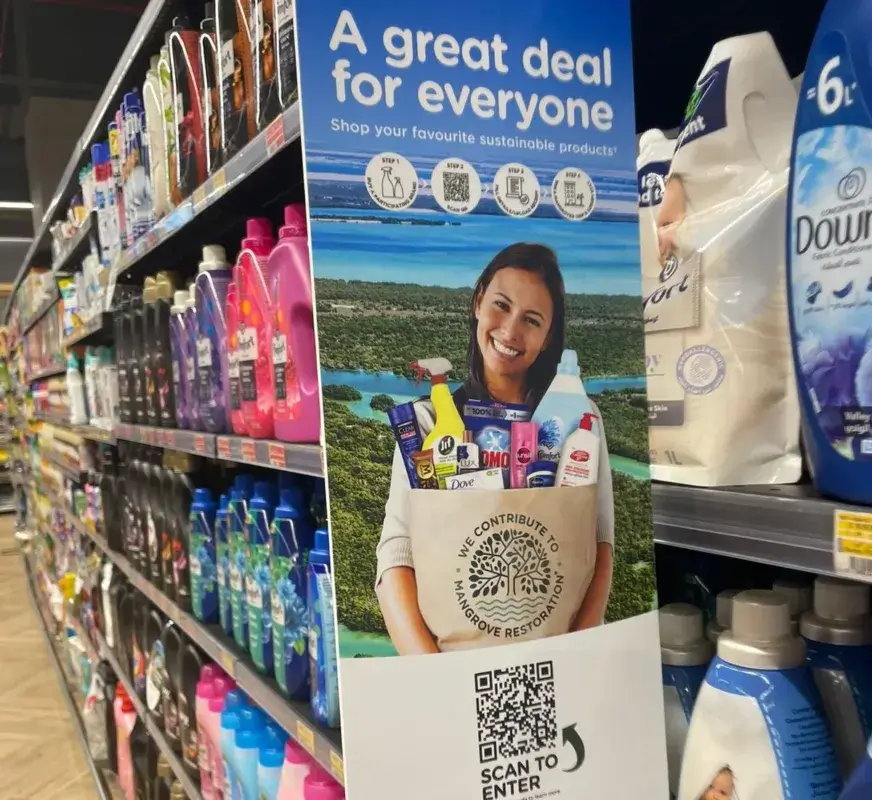
The company used eco-friendly marketing as part of its brand to enhance brand loyalty among environmentally conscious consumers. It raises awareness of environmental issues by offering eco-friendly options. Unilever launched the Unilever Climate Promise program to get all of its supply partners to demonstrate that they share the company’s values and are committed to reducing their greenhouse gas emissions. The goal is to have net-zero emissions across the entire value chain by 2039.
They say that people’s choices account for 70% of a company’s overall carbon footprint. This includes things like whether people want the items and whether they are used and disposed of correctly, such as by recycling.
7. LOLI Beauty
LOLI Beauty (Living Organic Loving Ingredients) is a small beauty brand based in New York that makes clean, eco-friendly skincare products using organic, food-grade, and upcycled ingredients. They are committed to creating no waste, and their products come in packaging that can be reused or composted.
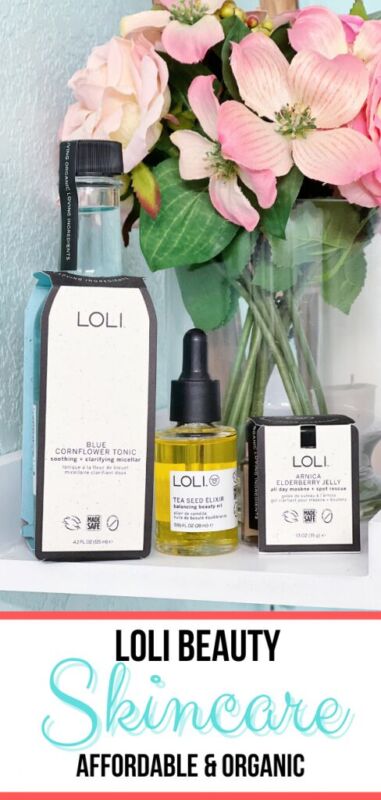
LOLI Beauty’s advertising focuses on the purity and eco-friendliness of its ingredients, as well as its promise to create no waste. They tell stories to connect with customers by talking about where their ingredients come from, how they help people, and how their packaging choices affect the environment. LOLI Beauty also talks openly about where they source their products and their goals to be more environmentally friendly.
LOLI Beauty has a small but loyal customer base that values clean, eco-friendly beauty products. Their clear, consistent green marketing has helped them become known as the best eco-friendly skin care brand.
8. Boden
Boden makes a wide range of eco-friendly swimsuits in the UK, in a variety of styles and colors. Universal brands like Boden have a duty to monitor sourcing and supply chains, as they have a significant impact on the environment.
Boden is known for its strong commitment to sustainability, which includes supporting an ethical supply chain, reducing the company’s environmental impact, and donating to charities that are equally responsible and sustainable.
The brand also promises to fix or replace any item you buy from them if it doesn’t last for at least 365 days. Boden says that by 2025, it will use only 100% sustainable viscose, 100% organic, certified organic cotton, 100% regenerated, recycled nylon, and 100% Lenzing-certified Tencel. It also said it wanted to use only denim made responsibly by 2022, reflecting its commitment to strong sustainable marketing practices.
9. Hershey
One of the main parts of the famous chocolate company’s new branding is its focus on environmental care. The company has made ecological sustainability its top priority in how it does business. In fact, they want to cut their own greenhouse gas emissions by 50% by 2025.
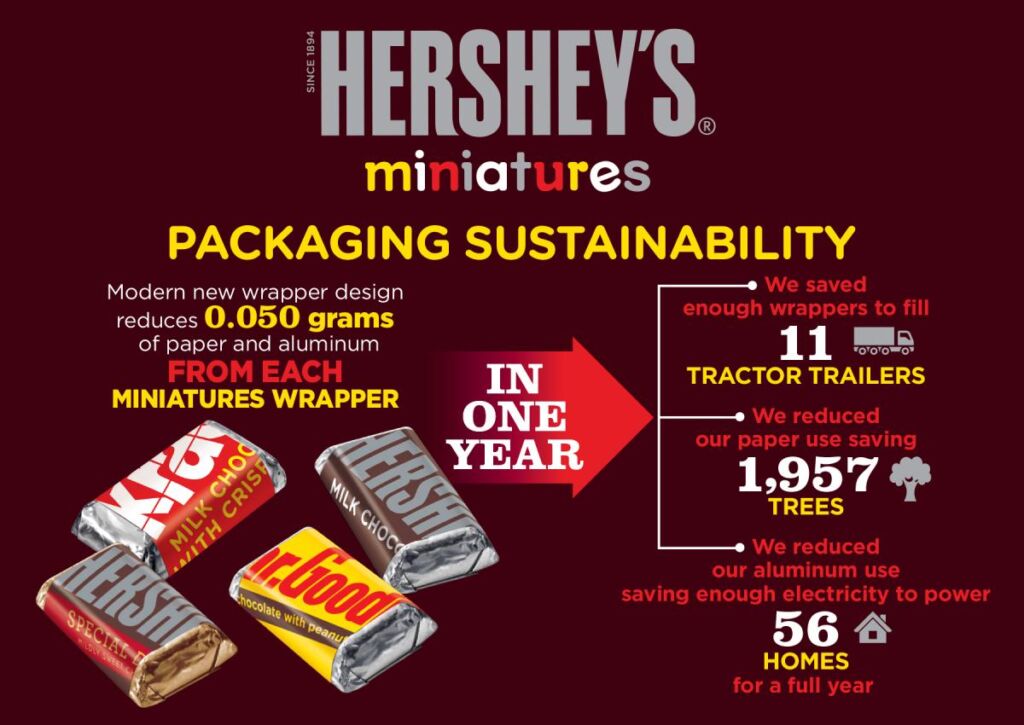
As one of the top 10 environmentally responsible companies in the US, Hershey has done more than follow environmental trends. Hershey goes above and beyond in their charitable work by recycling company items to use for the cause.
They have also used their blog to spread the word about new developments that could impact the environment, such as a recent article about product packaging that people can actually eat.
10. Too Good to Go
Restaurants throw away 10 million tons of food every year. Too Good To Go developed an eco-friendly marketing plan to address this problem. People around the world could help reduce food waste by downloading a special app that lets them buy leftovers. Some of the best restaurants in the country throw away meals and fruit at the end of service.
This example of a green business practice will help people get better food at a much lower price. The mobile app Too Good To Go saved 2.5 million meals from being thrown away. Every meal saved cuts CO2 emissions by another 2.50 kg. Too Good To Go will fund climate action projects to offset unavoidable emissions. They paid for projects in Peru and India in 2020, and then they added Malawi and Turkey in 2021.
The food system is the leading cause of deforestation. Too Good To Go wants to make the food system more sustainable by protecting the Amazon rainforest in Peru and keeping biodiversity. The REDD+ Project teaches people how to farm sustainably and provides jobs. Too Good To Go also agreed to fund a renewable energy project in India to offset pollution from its web servers. This solar plant improves India’s renewable energy system. This project reduces CO2e emissions by 659,000 tonnes every year.
Final Thoughts
Green marketing examples from brands show that businesses are working hard to promote and advertise their environmentally friendly business practices and get their customers and employees to do the same. People are more likely to choose environmentally friendly products over competitors’ products because of green marketing examples.
Tell customers who care about the environment about your eco-friendly marketing efforts, build a relationship with them, and make your company’s green initiatives a part of your brand’s story. Tell the audience what else your business does besides making money to promote social responsibility and a sustainable future.

Vijay Sood is a seasoned digital marketer with a passion for driving online growth and innovation. With a robust background in developing and executing comprehensive digital strategies, Vijay excels in leveraging SEO, content marketing, and social media to boost brand visibility and engagement. His expertise lies in transforming data-driven insights into actionable marketing campaigns, helping businesses achieve their digital objectives.