
In this increasingly crowded and competitive online space, identifying and responding to your customer search intent is essential to not only optimize the content or enhance the overall site performance and user experience but also maximize the organic traffic. While search intent keeps evolving, AI-generated content is also empowering digital marketers with more targeted and personalized solutions that are tailored for users’ needs.
Through studying out browsing/search habits and behaviors as well as contextual signals, AI can spot where this intent is shifting and be an information driver for a more integrated content approach. Keep reading for more insights into how to tune AI-generated content to hit their intended search intent transitions and achieve accurate optimization.
Understanding Emerging AI Search Behavior
AI search behavior refers to the patterns and preferences of search engines that now rely on large language models (LLMs) and generative AI to interpret queries. Unlike classic keyword-based indexing, AI search:
- Does a semantic match rather than an exact word match, which is crucial for effective search intent optimization.
- Focuses on the user’s intentions and the entire discussion of a topic, including different types of search intent such as informational, transactional, and commercial intent.
- Uses real-time data to always bring back the most relevant, up-to-date answers.
When execution is without the classic search methods, execution moves towards all-inclusive AI search intent solutions. Today’s content producers need to learn how this conversational flow is to be interpreted on the Google search results page by Google’s algorithm.
How AI Content Can Align with Search Intent
Striking a balance in the interface of AI robot generation and current search consumer behavior. The following cornerstones represent concrete measures to integrate your AI content and optimize it to the increasingly changing search semantics for continuous organic yield.
1. Intent-Driven Prompt Engineering
To actually create that kind of powerful content, you need to work against generic one-line prompts that are essentially just chasing volume rather than what’s useful. That means providing your AI writing buddy with complex step-by-step directions about the user’s unique psychological state, their relationship to the purchase path, what core problem they need solved, and telling it to lean into a certain specialized voice without the irritating repetition of generic robot writing.
This style of writing forces the model to ignore random keyword stuffing and create a completely unique high-value solution that hits the real underlying goal of the searcher and ultimately turns your content into content for search intent instead of the empty echo of a blank text block.
2. Front-Loaded Direct Answer Snippets
In today’s search landscape, most queries end with zero clicks, which means that your page needs to give the user immediate value or risk them bouncing back to the results page. Immediately below your main informational headings, write a compelling condensed paragraph that quickly gives a thorough understanding of the page in 40 to 60 words, then branch out into more detail.

Optimize your meta description so it looks the same. Notice how the page follows this exact formatting template that answer engines look for when scraping text to display on the SERP. In order to have a greater chance of being featured in the AI summary pack, answer the main question posed right in the first sentence of the section, showing that you are immediately relevant to the humans who land on the page while simultaneously being relevant to the answering engine.
3. Modular, Recombinable Section Design
Generative search engines aren’t always producing full articles, they’re extracting single paragraphs and stitching them together in bespoke, synthesized summaries. To facilitate this, make sure every sub-section is a fully self-contained “knowledge module” that makes complete sense on its own and aligns with user intent.

Don’t use ambiguous transition sentences that depend on the later paragraphs for clarification, and make sure each headline encapsulates a separate, fully formed idea. This modular structure enables AI crawlers to easily grab and repurpose your data chunks, boosting your brand’s presence across AI-first discovery ecosystems. This ensures each slice can be found when someone’s hunting for information.
4. Entity-Dense Knowledge Nodes
A semantic-first approach to search technology has emerged as the keyword-first approach has given way to a new model that maps the relationship between different concepts or entities. When you use an AI blog content creator, make sure it contextualizes your general topic naturally with the whole cluster of other technical terms, measurements, and sub-topics that surround it.
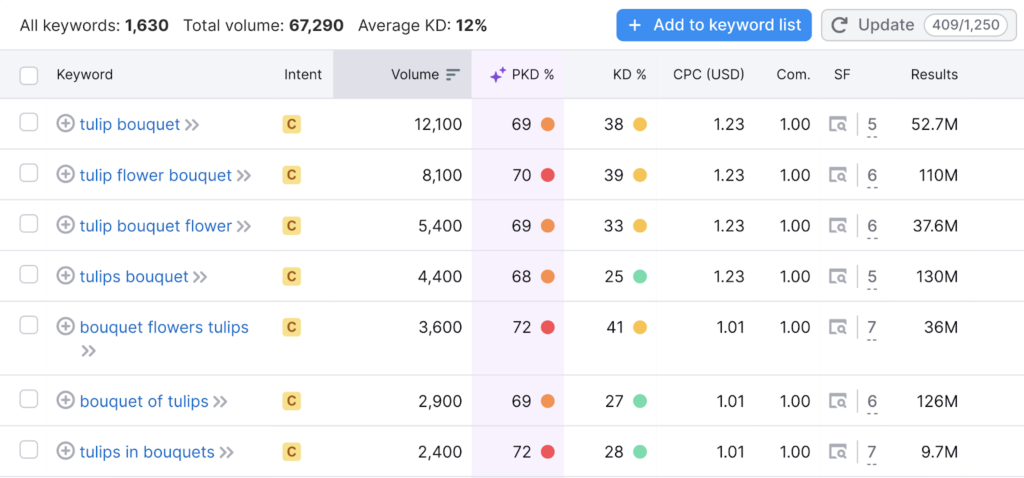
A page about optimization for digital marketing should theoretically mention entity nodes in its cluster, such as machine learning models, conversion metrics, and user experience schematics. Recognizing that in the context of its cluster, the content actually represents deep knowledge will be signaled to search engines that you are throwing actual meat behind your post, rather than fluff. This is a sure way to get content to match searcher intent exactly.
5. High-Gain Structured Comparison Data
At this stage of the user journey, people’s minds are rushing through things like weighing things against one another, zeroing in on choices, considering features, attempting to make a judgment without having to go through numerous pages of the net.
Meet this intent by letting your auto on-page SEO workflows fill up tables in clean markdown of complex features, specs, and pricing structures. AI engine optimization prefers structured data because feeds can be scanned for presence and tested for swift, digestible options as a consumer feature.
6. Reverse-Engineered SERP Blueprints
Before you write a single word, stream the top URLs for your targeted search queries into an AI analysis utility so you can break apart the formatting. Dive into their headers, question patterns, word counts, and media elements that are earning search engines’ positive regard for that exact topic already.

Reverse-engineering takes the risk and uncertainty out of your approach so your AI SEO writing tool can build from an already-established structural skeleton of the piece.
7. Integrated “People Also Ask” Resolvers
A powerful technique to subvert adjacent query intent is to create targeted subheadings based on actual shopping consumer questions sourced from rich data inputs into search, such as search engine query logs or PAA boxes (people also ask). Deliberately articulate your AI content engine to leverage these exact consumer queries, immortalizing each question as one you have all but eliminated from the atomic-level shopping process by conventional means.
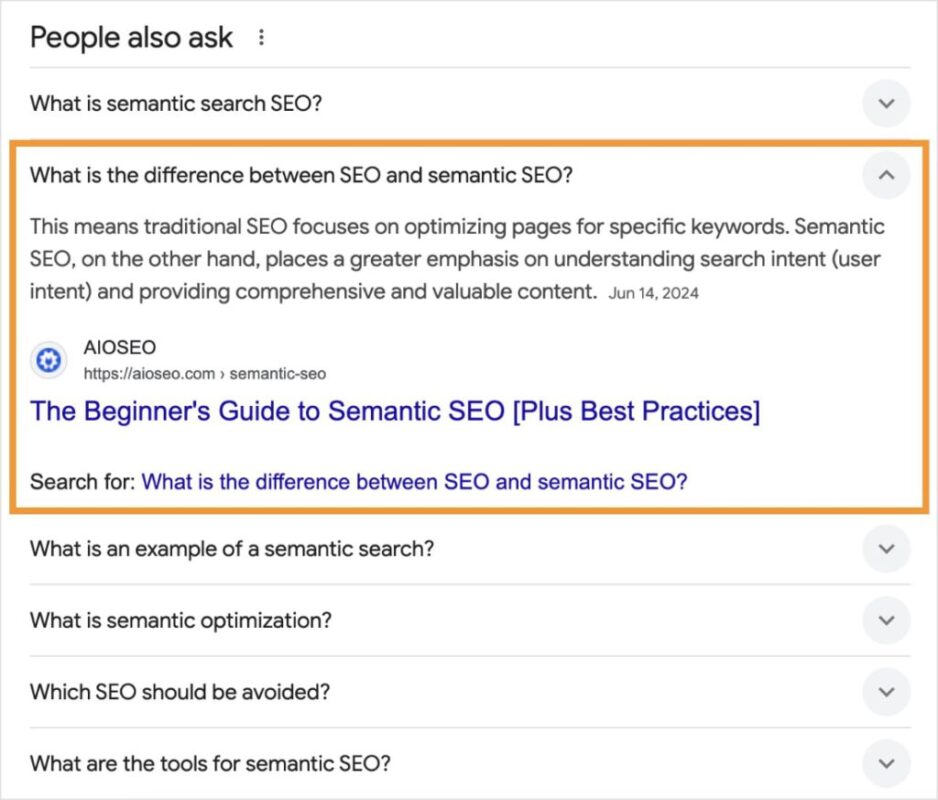
By plugging these answers into your content matrix, you can produce a global destination content item, satisfy secondary questions preemptively, and “turn the tables” in the business of content creation.
Challenges in Aligning AI Content with Search Intent
AI tools have revolutionized digital marketing & content creation, but it is still a major challenge to create content that aligns precisely with the right search intent. Here are some common challenges to be aware of:
- Misconstrued search intent: The most prevalent problem with the AI is that, despite its powerful NLP skills, it can also misinterpret the intended approach of the user while executing a search.
- Bad keyword-intent mapping: It is not just a matter of placing the keyword correctly into a paragraph. Mapping the intent correctly is critical to reaching a targeted audience.
- Lack of contextual knowledge: Artificial Intelligence generally makes decisions from training data. It is not necessarily a representation of the current trend, cultural context or industry know-how. This restriction could make the created text becoming more outdated in the case of a time-sensitive or specialty domain.
- Reliance on AI to function without human review: Another challenge is an over-automated creation process, which tends to miss the subtlety of user intent. Though present and sophisticated enough, the AI is not as complex and delicate as human authored.
- A continually shifting search intent: Search intent evolves over time based on trends, devices and platforms used, and user expectations. Regularly refreshing artificial intelligence tools is necessary to keep pace with these advancements.
Conclusion
To sum up, the matching of AI content and search intent is essential in content marketing. AI productivity has brought a special impact on the quantity and time of content production and is ultimately meaningful only when the content speaks to a specific user intent.
Understanding the details of each type of search intent—informational, navigational, commercial, or transactional—is vital for creating purposeful content that ranks and attracts as organically as possible. AI has its place in the creation process, but the real value comes from the human intuition, intelligent keyword mapping, and overall understanding of your audience.

Vijay Sood is a seasoned digital marketer with a passion for driving online growth and innovation. With a robust background in developing and executing comprehensive digital strategies, Vijay excels in leveraging SEO, content marketing, and social media to boost brand visibility and engagement. His expertise lies in transforming data-driven insights into actionable marketing campaigns, helping businesses achieve their digital objectives.