
The e-commerce industry has undergone a dramatic transformation, traditional pricing methods will not succeed in the fiercely competitive online business climate of today. Competitors change their product prices numerous times a day, always responding swiftly to fluctuations in the market. E-commerce firms relying on manual pricing strategies or fixed prices surely leave considerable sums of money on the table.
To fight and win, you need to adopt a complex and sophisticated AI dynamic pricing engine. Keep on reading to see how to use AI powers to innovate your outbound cash-flow management, remove systemic flaws and propose a highly flexible automated engine reaching your baseline revenues.
Understanding AI-Powered Dynamic Pricing
Compared to static markups, real-time touch point analysis, and dynamic pricing are sharp commerce methods that apply shifts through live data analytics. Conventional dynamic pricing relies on a primitive human-mapped if-then regulation; however, machine intelligence provides a groundbreaking substitute.
Using advanced machine learning tools, an e-commerce business can also analyze a huge quantity of data concurrently. Machines can analyze historical sales trends, current stock, seasonality, and market changes to reveal patterns impossible to spot manually.
Key Components of an AI Pricing System
A reliable AI-powered dynamic pricing framework can only be built if your software architecture effectively extracts and interprets various internal and external data streams. Its key components are as follows:
Real-Time Data Analysis and Competitor Monitoring
Effective data ingestion is the cornerstone of effective algorithmic pricing. An effective pricing engine will mean crawling the web every few seconds to perform automated competitor price monitoring. Rather than spending hours on manual spreadsheets, AI tools will crawl rival product pages, sales schedules, and inventory statuses on the spot. A direct rival then slashes prices, your AI dynamic pricing solution detects it right away and updates your online presence to ensure it remains very competitive while still preserving the essential profit ratios.
Product and Customer Segmentation
A sophisticated, next-generation product recommendation engine is the ideal accompaniment to dedicated personalized price management tools, categorizing your users across a wide spectrum of underlying historic market trends. Applying real-time dynamic pricing strategies enables enterprises to group like products according to purchase volume, margin potential, and market competitiveness:
- High-Comparison Items: Branded electronics and commodity goods, where consumers are very price-sensitive, demand automated real-time pricing. Personalized pricing is necessary—to be willing to buy a set of branded electronics, you have to match competitors’ prices or be lower.
- Niche or Discretionary Goods: Custom inventory with low competitive pressures could justify eBay-style paying premium prices on surge triggers in browse velocity monitoring.
- Loyalty-Motivated Segments: Safely adjusting prices, initially providing a warm-up discount to attract customers, then resetting prices to their optimum as customer retention is established.
Step-by-Step Guide to Implementing Dynamic Pricing Using AI
When introducing an AI-based engine of this kind, you must find the right balance between very high raw algorithmic speed and some clear merchant-led strategic constraints. Here is a step-by-step process to follow:
1. Define Core Business Objectives and Constraints

Prior to deploying an algorithm to make a vital pricing decision, you need to define clear operational parameters. Determine if your existing business model is about capturing a high share of the market or about capturing maximum margin. Create solid price floors into your AI pricing dashboard that incorporate complex rules of economics, including shipping costs and other back-end costs, such that the system is never executing an unprofitable transaction.
2. Configure Strategic Data and Pricing Triggers
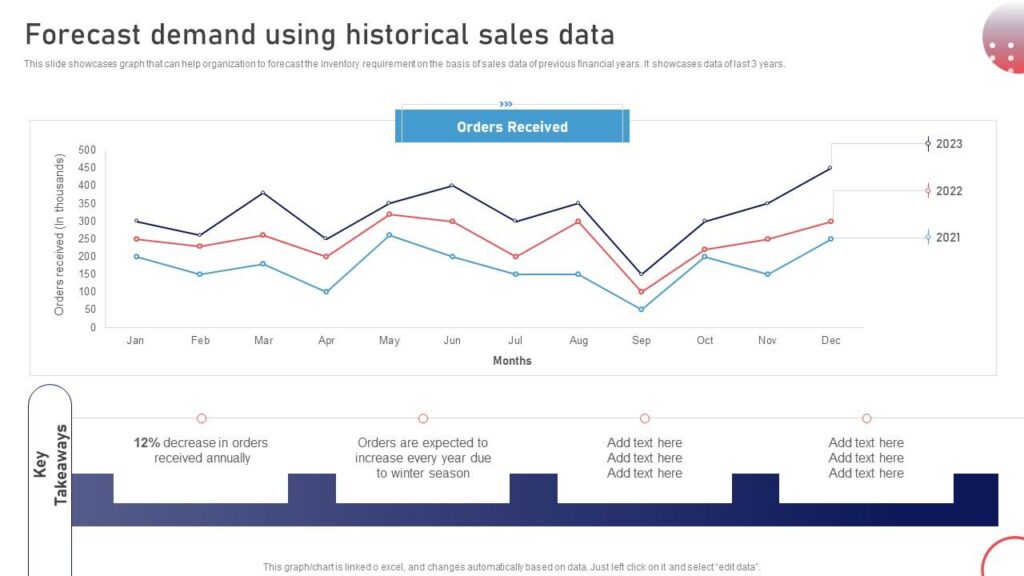
Determine what market occurrences must trigger automated price changes. Design your software to proactively download previous demand history, real-time cart abandonment events, and local inventory stockouts. By linking these streams, your AI-powered pricing algorithms will be able to make instantaneous pricing adjustments driven by real-time customer intent.
3. Deploy Automated Competitor Monitoring Pipelines

Tie your pricing solutions into a cutting-edge web scraping framework that actually monitors your competitors. Make sure the engine is constantly watching competitor pricing, adjacencies, discounts, and estimated shipping times. Now your algorithm has the right context to make competitors’ in-the-moment customer-winning discounts.
4. Establish Optimization Models and A/B Testing Guardrails

Choose your core optimization principle, which maps to your inventory profile, such as cost-plus automation or peak demand surge pricing. Create tight guard rails in practice so pricing only varies 2-3x/day maximum in order to protect the brand. Isolate pilot runs for select product catalogs to confirm accuracy before powering the global pricing engine.
5. Activate Closed-Loop Feedback and Reinforcement Learning

Deploy the system into production and maintain an active human-in-the-loop validation process for high value goods. The AI techniques leverage continuous feedback loops to learn how buyers respond to a specific set of pricing moves over time. This reinforcement optimization over time protects your margins while continuously improving conversion prediction.
Navigating the Challenges of AI Price Optimization
While the benefits of AI have been breakthrough-sometimes providing up to a 22% lift in retail profitability-brands still face unique implementation challenges. These are:
Data Accuracy and Integration
An AI-enabled pricing recommendation can never be better than the quality of its source data. Merchants on the digital shelves need to keep incoming inventory sync, competitor scraping tools, and margin calculation engines squeaky clean. Regular audits of data infrastructure make sure errors don’t ramp up into a systemic margin squeeze.
Customer Perception and Trust
In the event that online consumers feel real-time rate adjustments are inconsistent or unfair, the effects can be damaging to brand loyalty. Hence, transparency is important to prevent too much fluctuation in prices. Aim to make changes 2-3 times a day, at most, and distribute equally between the products so they do not disenfranchise the regular consumers.
Algorithm Bias and Drift
ML models can go “off the rails” in the form of “drift” – where old patterns become meaningless due to big swings in the market (i.e recession, weird viral fads). Humans will need to constantly revisit and retrain models on new data so the AI guiding dynamic pricing doesn’t become detached from current consumer reality and behaviors.
Infrastructure Investment Costs
Training advanced intelligence and machine learning algorithms on a huge amount of data is compute-intensive. Cloud-based offerings have made it easier for start-ups to adopt the technology; however, global deployment over millions of SKUs introduces delays (latency), which need optimization, & hence the business has to weigh the infrastructure investment against revenue uplift.
Regulatory and Ethical Compliance
With such detailed user information available for price customization, it is not surprising for brands to come under more scrutiny for privacy and fair-trade concerns. You need to make sure your practices are aligned with consumer protection regulations in your areas, and no personalization is being done that could be seen as predatory or unfairly discriminatory.
Conclusion
Adding artificial intelligence and machine learning to your retail architecture frees your brand entirely from the limits of static pricing. Coupling intelligent price optimization software with robust human guardrails will help you safeguard your margins while staying fiercely stiff against competitors.
Ultimately, an AI dynamic pricing ecosystem transforms your store into an agile, market-driven, revenue-generating center. Using large-scale real-time data and making thousands of automated, fast decisions of price for your digital goods, your brand sets itself up to take the majority of consumer dollars in an ever-changing marketplace.

Vijay Sood is a seasoned digital marketer with a passion for driving online growth and innovation. With a robust background in developing and executing comprehensive digital strategies, Vijay excels in leveraging SEO, content marketing, and social media to boost brand visibility and engagement. His expertise lies in transforming data-driven insights into actionable marketing campaigns, helping businesses achieve their digital objectives.