
If you’re working with search engines, you’ll find that we’re frequently thinking about the obvious big player in the room: Google. However, if not all other search engines are taken into consideration then there may be opportunities that could enrich our online presences. One of them that is noteworthy to take note is Yahoo. Unique algorithm and loyal users, optimizing our websites for Yahoo can make a huge difference in our visibility and traffic.
In this article, we’ll discover some Yahoo search engine optimization tips and tricks that are particularly useful to the Yahoo search engine and make the most out of this less recognized search engine. So, let’s get started and see the possibilities of how we can grab Yahoo’s attention and ultimately reach our website to higher heights!
What Is Yahoo Search Engine?
Yahoo! (stylized Yahoo!) is a multi-faceted website that provides e-mail, news, and search facilities. The home page may look like a jumble, but users can start a search by typing the query in the top bar and pressing enter or clicking on the magnifying glass icon. It is used for indexing web pages and presents search results that match the content of the query. Yahoo’s ranking factors take into account many different factors, which include website content, backlinks, the technical optimization of your website and more, that help you decide where you appear on the search engine results page.
Since the year 2009, it has been driven by Bing. While it may not be as popular search engine option as Google worldwide, Yahoo owns a sizable market share in Japan and Mexico where its platform is used by 56% and 27% users on a regular basis. If you target the audience coming from these areas or if you are attracting traffic from various organic search engines, then it becomes imperative to extend your SEO strategy to ensure that your website is optimized for Yahoo’s search engine.
Top Yahoo SEO Strategies That Work
Though Yahoo may appear to be a throwback to dial-up days, it still accounts for a robust share of the U.S. search market. That’s millions of searches each and every day. Besides, Yahoo’s search results will come from Bing, so optimizing for Yahoo is effectively optimizing for two birds with one stone.
It’s as if everyone else is fighting to get to the head of Yahoo’s competition while you walk into a room that’s less crowded, and the victories are easier to come by. Smart move, right? Let’s take a look at what is required to create a successful Yahoo search engine marketing strategy.
1. Focus on Exact-Match Keywords in Content
Here’s where Yahoo differs massively from a standard Google search. Google has been becoming more sophisticated with understanding what people are looking for in searches and context, but Yahoo still prefers exact-match keywords. You have to use your target keyword in the exact form people are searching for it. Not variations, not synonyms—exactly the phrase.
In order to attract someone who is searching for “best coffee makers under 100 dollars,” you’ll want to use this exact wording in your page titles, H1, and at least 2-3 times throughout your content. Google may realize that ‘top coffee machines below 100,’ ‘best coffee machines under 100,’ and ‘best coffee machines under 100’ are synonymous. Yahoo? Not so much. It seeks an exact title match with their search query to draw out the relevance.
However, don’t overdo it. Doing this with keyword targets like it was 2005 will still affect your ranking. The sweet spot for the best practices is 150-200 words per occurrence of your key phrase.
2. Build High-Quality Authoritative Backlinks
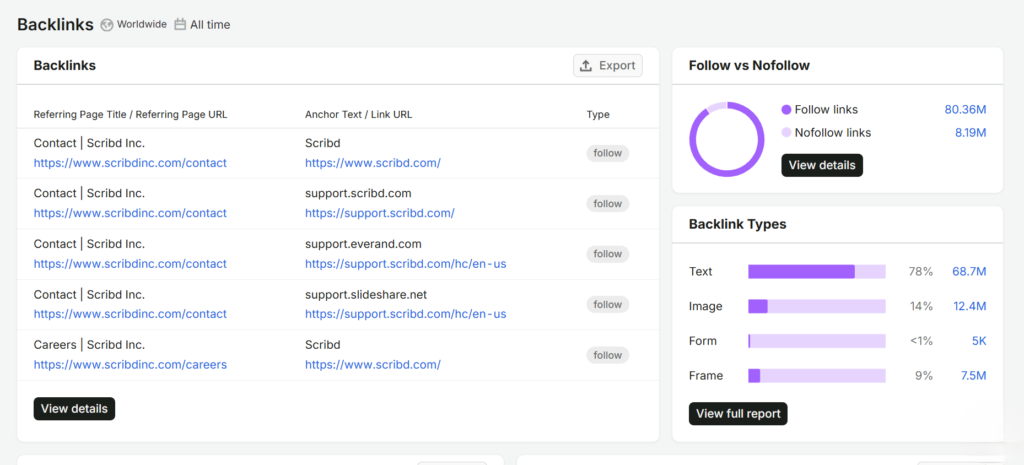
In recent years, Yahoo places more importance on domain authority than Google does. If an internet link is from an .edu or .gov site? That is a blow to your Yahoo rankings. Other search engines have turned to measure the relevance and context of links, but Yahoo is stuck with a “authority equals trust” approach. You can monitor your domain authority, for example by using the Moz Link Explorer.
Focus on getting backlinks from:
- Industry associations and organisations
- Local chambers of commerce
- Educational institutions
- Government resources pages
- A news source that has been in existence for at least one year (including local news as long as it exists)
One link from a university research page can get the needle more than 20 links from random blogs to get a good rank on the SERPs. The quality of the experience is always better than the quantity!
3. Leverage Social Media Signals

This is where things get interesting! Yahoo is much more interested in social signals than Google is willing to acknowledge. A strong social media strategy will pay off here because those posts that go viral on Facebook or Twitter will give a boost to Yahoo search results within days.
The key to this strategy is simple. Make your social media marketing and content go hand in hand. Develop content that will naturally draw in shares, and then push it out onto social networks. But the secret is, Yahoo apparently gives a lot more importance to Facebook shares than any other platform, which can greatly affect your Yahoo SEO.
4. Optimize for Local Search with Bing Places
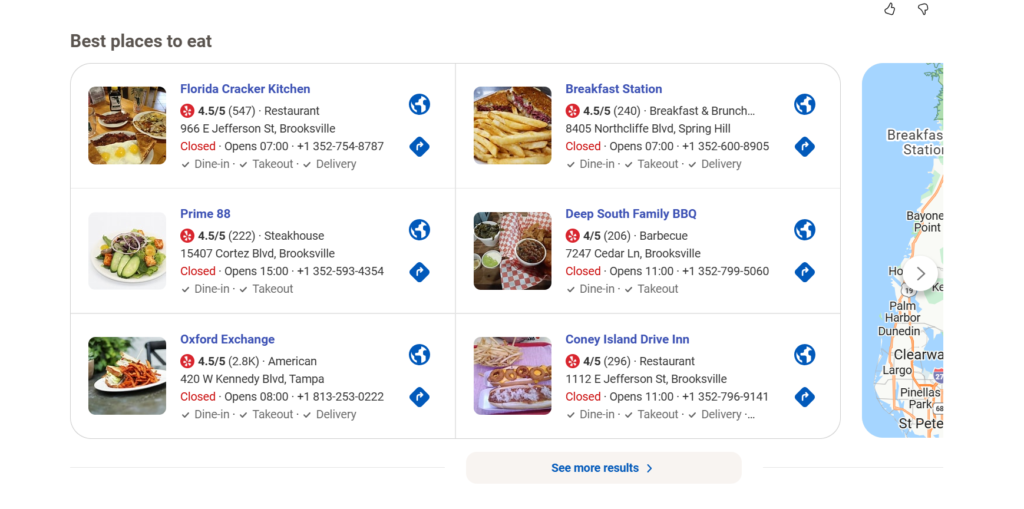
If you’re listed in Bing, then Yahoo relies on Bing for their results, so this is a must have for local SEO. Most companies register their Google My Business account and move on from there. Big mistake.
It takes anywhere from 15 to 20 minutes to set up Bing Places, and once complete, it will be visible to all Yahoo and Bing users looking for local businesses. Here are a few tips for ranking well in local search engine results pages (SERPs):
- Fill in all the information in your profile.
- Include at least 10 good-quality photos
- Get reviews (even just 5-10 makes a difference)
- Use the same NAP (Name, Address, Phone) on all platforms.
5. Implement Schema Markup for Rich Results
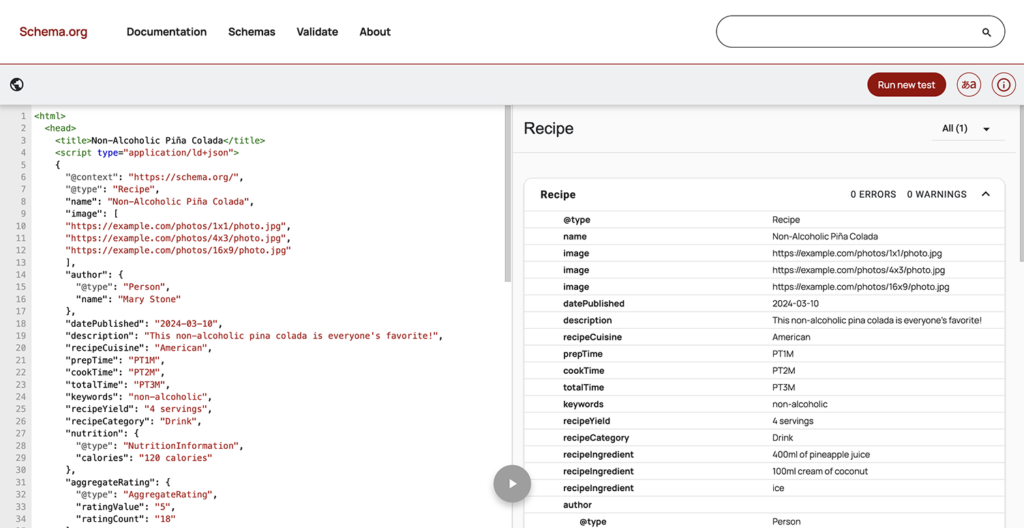
Yahoo gets happy when structured data is added to your HTML. Well, let me rephrase that – Yahoo needs structured data, really. Google’s AI is able to determine the topic of your content with little effort, but Yahoo requires more from HTML elements and schema to understand your pages.
The schema types that have the most impact on Yahoo are:
| Schema Type | Impact on Yahoo |
| Article | Helps news and blog content rank well |
| Local Business | Critical for local pack ranking |
| Product | Shows price and availability in search results |
| FAQ | Can trigger expanded snippets in serps |
| How-To | Increases visibility for tutorial content |
Don’t just slap on basic schema and call it done. Yahoo rewards comprehensive markup that includes every relevant property.
6. Create Visual Content and Multimedia
Yahoo Image Search is more active than you might think, and images from your site could bring a good deal of traffic. However, there is a snag, Yahoo’s image recognition process isn’t as refined as Google’s. Yahoo can’t parse difficult graphics or image maps very well at all, so you will have to do more to specify what images on your site mean to the Yahoo bot.

This is achieved by using descriptive file names (rather than IMG_1234.jpg), descriptive alt text and surrounding your images with appropriate text content. This guarantees that text-only browsers and the more basic crawlers will be able to interpret the file. Videos uploaded directly from YouTube or Vimeo also have preferential placement in Yahoo’s blended search results. A page with a relevant video may outrank text-only opponents.
Technical SEO Considerations for Yahoo
The technical part is also an aspect that shouldn’t be ignored. Check some technical search engine optimization considerations to optimize your website for better visibility and higher ranking positions on Yahoo:
Website Speed and Performance Optimization
A slow loading website will impact search rankings but can also have an impact on the end user’s experience. Cut down on large image file sizes and HTML and implement caching (caching will be important if a large amount of uncompressed JavaScript are used to block rendering), if you have too much it will destroy a site’s search ability. You may also consider implementing a content delivery network (CDN) which takes the load distribution away from the server and lower latency.
Mobile-Friendly Design
As a large number of internet users use mobile phones or such portable devices to surf the web, many mobile optimized sites rank fairly well on Yahoo search results. Ensure that your website is designed using a flexible layout that can scale down on different screen dimensions.
Technical Crawlability and Indexing
Yahoo’s crawler will be able to crawl and index your website’s content easily if you optimize your website structure.
- XML Sitemap: Manually add an XML sitemap to Bing Webmaster Tools (Bing will populate Yahoo). Make sure your XML sitemap file is clean so as not to cause indexing errors.
- Robots.txt: Have a look at your robots.txt file and make sure the Yahoo bot or Bing spider isn’t getting blocked away from important directories.
- Clean URLs: Use short, clean, descriptive URLs instead of excessively long, complex URLs with many parameters. Clean URLs are helpful to the Search Engine.
On-Page HTML Tags and Security
Yahoo depends upon old-school on-page meta tags. Don’t forget to completely fill out your title tags and meta descriptions, including an exact-match keyword or two; this is your direct billboard for your page in the search results. In addition, Yahoo emphasizes the importance of websites with secure browsing capabilities. Ensure that your website is secured with HTTPS encryption in order to provide a safe browsing experience for users.
Conclusion
Improve your website’s ranking on Yahoo search engine by following some efficient SEO tricks and tips. Use keywords wisely on your website pages and meta tags, title tags; put keywords in your URL addresses and headlines as well. Make your website content easy to read and easy to download with quick loading time, using an appropriate mobile template and making your site user-friendly. Incorporate fresh, unique and quality content on your website. Similarly, submit your website for gaining a high Yahoo search ranking by actively seeking backlinks from other trustworthy and related web pages.
Leverage social media networks by creating social media accounts with your content and getting your content out there to optimize your online visibility. Consistently track and examine your website on a regular basis with built-in analytics software to appropriately adapt and modify. Keep pace with new algorithms and major frequent changes to the Yahoo search engine.

Vijay Sood is a seasoned digital marketer with a passion for driving online growth and innovation. With a robust background in developing and executing comprehensive digital strategies, Vijay excels in leveraging SEO, content marketing, and social media to boost brand visibility and engagement. His expertise lies in transforming data-driven insights into actionable marketing campaigns, helping businesses achieve their digital objectives.