
Meta’s advertising strategy has primarily contributed to the success of business marketing through its precise targeting capabilities and extensive reach across its platforms. These platforms, with more than 279 million users in the U.S. alone, provide the easiest possible access to prospective customers, allowing companies to reach their target audience where they spend most of their time. About 70% of American grown-ups are on Facebook daily, and almost 63% of them have to check Instagram at least once a day, mainly using their personal devices. It is an immense opportunity, in fact, that companies can hardly overlook and have to consider it like a brand-building, customer-attracting, and sales-increasing treasure by just delivering the most relevant content directly to consumers’ feeds to get engagement.
In this article, we will break down proven strategies for effectively using Meta Business Tools and unlocking their full potential for impactful social media marketing.
What is Meta Marketing?
It is a marketing approach that not only understands human behavior but also modifies marketing strategies accordingly. Meta marketers evolve their marketing techniques to make their products the best in the market. Using a tool such as the Meta Ads Manager enables one to carry out meta-advertising activities more efficiently. It lets you control the ads and track the progress of your campaigns. Meta marketing opens a wide range of doors for businesses. Customers can still enjoy the same benefits.
Businesses can get the following benefits from meta marketing:
- Segmentation: With the help of Meta marketing segmentation, one can divide a single market into different sections and target a specific one or multiple at a time. A multi-industry strategy is a horizontally focused strategy that spans multiple sectors, whereas a vertical strategy focuses primarily on a single field to meet business goals.
- Centralized Platform: Meta markets enable companies to display their products and services and conduct price matching on a single platform. This results in a greater benefit for customers.
- Supply Chain Efficiency: Improvements in the supply chain are achievable through better planning and optimization of resources.
- Strong Network: The small businesses’ network with partner companies can grow strong, which will, in turn, lead them to new opportunities.
- Increase Online Sales: With the assistance of meta marketing, your business can increase the volume of your online sales. Providing an online platform and sales leads from potential customers is an effective way to do so.
- Boost Your Lead Generation: The visibility of your business rises, and thereby, you enhance the conversion rate of your audience into sales leads through engagement with more customers.
- Increase Brand Awareness: Meta marketing strategy serves as a bridge between customer expectations and the products or services the company provides, thereby increasing brand awareness.
Customers can also receive the following benefits from Meta marketing:
- Accessibility: Customers can access a wide range of goods from different sellers with a single touch. They have an option to compare prices and choose the most affordable one.
- Easy Switching: Consumers get a chance to make choices quickly and easily among varieties of goods. The hassle of looking for separate items is no longer necessary.
- Procurement and Delivery: The process has become faster and more efficient, making shopping more straightforward for customers.
- Convenience: It is not present yet, though, but meta markets will provide convenience to customers not only in purchasing products but also in other aspects of their lives.
Top 10 Strategies for Social Media Marketing with Meta Business Tools
Meta advertising is an innovative ad system that primarily focuses on understanding consumer behavior and enhancing the consumer experience, thereby keeping business owners and customers satisfied. Meta marketing allows your company to display your products to the right people, who will access them through their mobile phones using Facebook.
Thanks to electronic commerce, businesses should engage in meta-marketing to stay competitive. Here are various tactics used in Meta marketing to ensure the message has maximum impact.
1. Tell a Story That Appeals to Emotion (Raw and Real)
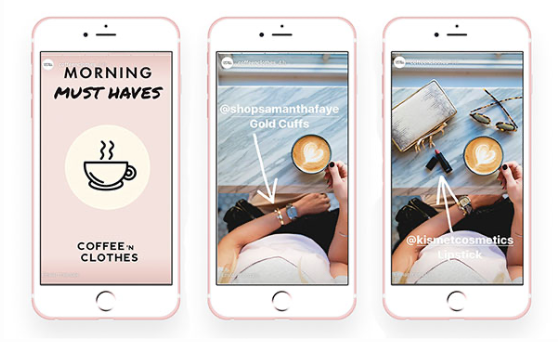
On Facebook and Instagram, story-delivering, raw, authentic advertising content almost always wins over more glamorous ads because social media is inherently organic and user-generated. People mainly use these platforms to socialize with others, not to be sold to.
When ads reflect the authentic, normal content users are used to seeing in their feeds, they become less noticeable in their surroundings and hence more effective. Viewers find this less rehearsed, more impromptu style of raw content as real, so they easily relate to it, trust it, and even interact with it.
- Pro Tip: A self-made video of a business owner shot on a smartphone is one of the best Meta advertising strategy growth hacks for new products. This kind of content can quickly spread your brand without the need for a large budget.
2. Use Custom Audiences to Pre-Qualify Customers
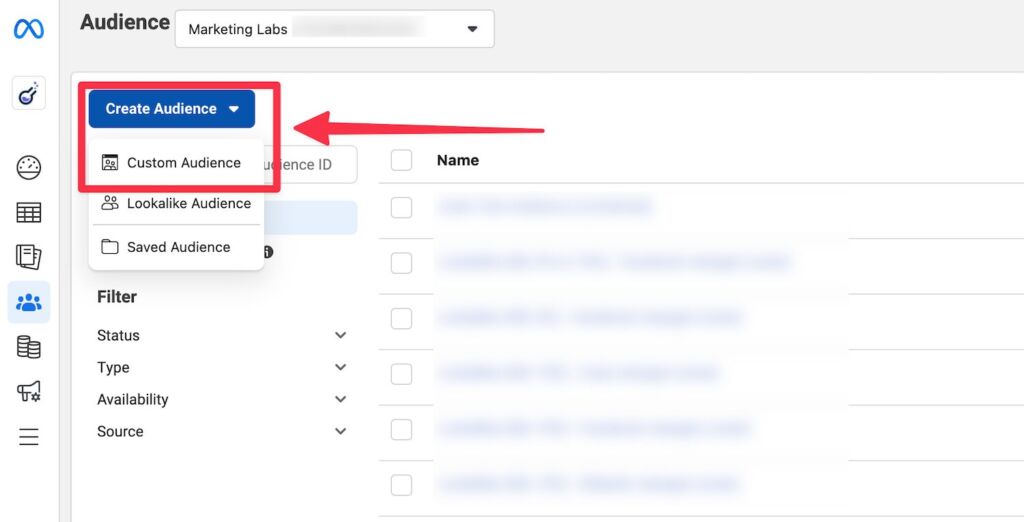
Uploading custom audience data allows advertisers to have more precise social media targeting based on modeled customer data. By transferring this information to Facebook and Instagram (Meta), advertisers can, in effect, direct their ads at users who have already been pre-qualified as potential buyers of their products or services. This is the main reason for advertisements that are targeted at really relevant users who are most likely to perform a conversion.
The most important advantage of custom audience data is the ability to enhance targeting using information not directly available through Meta’s built-in options, such as specific wealth indicators, ethnicity, or niche demographics like new home buyers. When this data is combined with Meta’s interest and behavior insights, it enables a far more precise identification of highly qualified prospects.
- Pro Tip: For the highest user match rates, you should upload custom audience lists with names, emails, phones, dates of birth, and ZIP codes. Usually, custom audience list uploads can account for the matching of 80-90% of FB/IG users.
3. Use Automation Tools
Automation tools include Meta’s AI systems to target your ads based on identified trends and reactions. A number of advertisers have gained the ability to display their ads to the target audience more effectively through the use of Meta’s automation tools. Meta is also enhancing its AI systems’ learning and development.
By using features such as Advantage+ Shopping Campaigns, companies can cut down on their manual ad management time by a large margin and, at the same time, have confidence that the AI will allocate the budget dynamically to the highest-performing ad sets. This is why marketers who are heavily dependent on machine learning have more time for creative development and less time for constantly tweaking their campaigns. The constant improvement of these algorithms ensures that targeting is always accurate, which results in better outcomes due to optimized delivery.
- Pro Tip: To get the best performance out of the automation tool, you should always give it a broad audience pool and well-defined conversion goals so that it can learn effectively.
4. Differentiation
It is essential to differentiate your ads from the rest if you want your ad campaign to be successful. The ads can be diversified by concepts, designs, messages, etc., to get enhanced reach and resonance. In the digital world where everyone is competing, a wholly different and appealing creative is the most efficient way of getting over the noise and grabbing the attention of the audience.
Advertisers should be willing to do A/B testing for various creative angles, testing emotional appeals against logical benefits to find out which one really connects with the audience. A deliberate diversification of this sort will lessen the chances of creative fatigue and also allow the brand to keep a fresh, relevant presence in the user’s feed.
- Pro Tip: Concentrate on easing a particular customer problem within the first three seconds of your ad if you want to rapidly grab attention.
5. Use the Conversion Lift Method
Conversion lift keeps track of an ad’s performance. Using this comparison instrument, companies will comprehend the performance of their ads more accurately and hence be able to bring about necessary improvements. The technique does this by experimentally comparing the behavior of a test group (that saw the ad) with that of a control group (that did not) in order to pinpoint the exact incremental effect of the campaign.
This impartial metric excludes the conversions that would have happened naturally, thus providing the best measure of tangible business outcomes. By giving a precise measure of return on ad spend (ROAS), Conversion Lift allows marketers to increase the volume of successful campaigns they run and also be very exact in deciding where to put the budget.
- Pro Tip: Make sure that your sample size is big enough and that your control group is completely separated so that the study can produce results with a high level of statistical significance.
6. Create an Immersive Environment
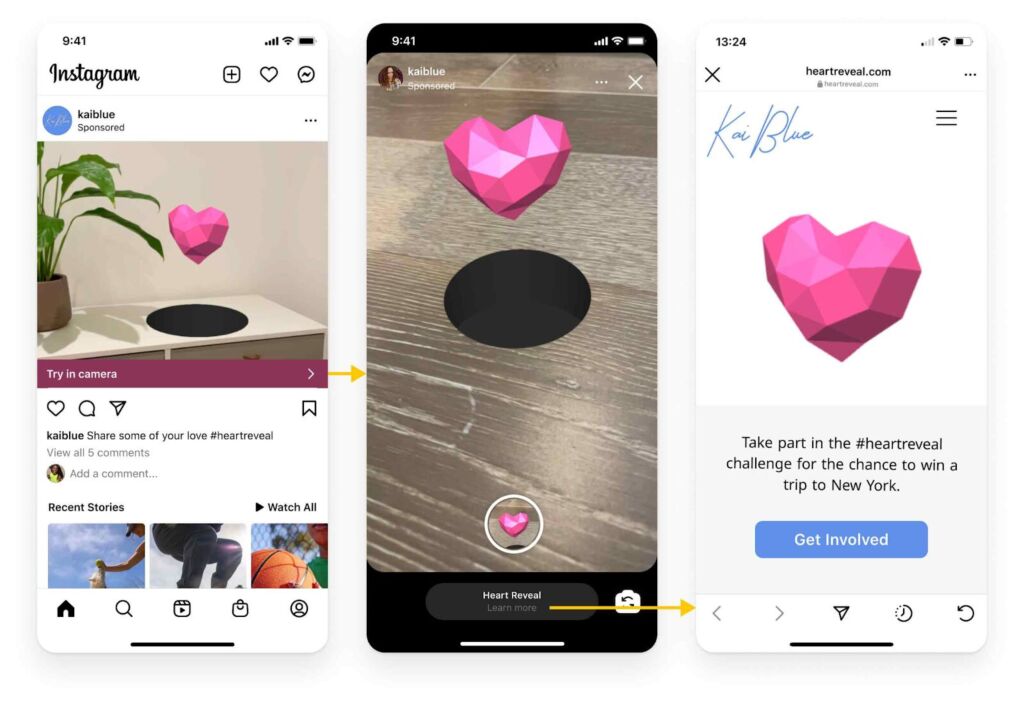
Augmented reality is an essential element of a business environment in the metaverse to attract customers and improve their experience. A brand can efficiently interact with its consumers by making them winners in contests through conducting events, giveaways, and other competitions. This leads to the rise of user-generated content. Coca-Cola’s ‘Share a Coke’ and Apple’s ‘Shot on iPhone’ campaigns are user-generated.
Immersive experiences in the metaverse can be the grand opening of a virtual store or users trialing products through filters. So, a bond of the brand can be established deeply with consumers. User-Generated Content (UGC) is a medium through which these interactions occur and hence provides a robust, real customer-involved portrayal which has great viral potential. Such content is often regarded as more credible than conventional ads, thus noticeably strengthening brand loyalty and broadening organic reach.
- Pro Tip: Your metaverse encounter or AR filter should be perfectly shareable so that users will willingly generate and distribute UGC.
7. Test Your Call-to-Action and Replicate What Works
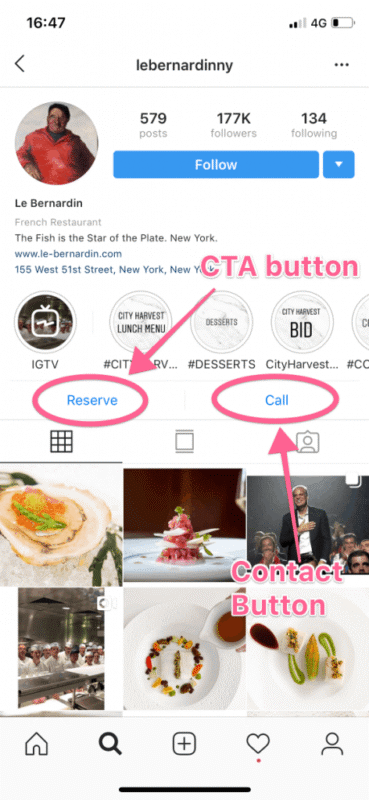
Depending on campaign objectives, Facebook and Instagram provide various call-to-action (CTA) options that aim at leading users to submit to the conversion process. Most CTAs are, for example, “Shop Now,” “Learn More,” “Sign Up,” “Get Quote,” and “Download,” each being a direct prompt to a specific user activity, such as making a purchase, filling in a lead form, or getting gated content.
The importance of the CTA lies in the fact that it is a direct lever of the user flow and the consequent conversion rate. For marketing initiatives, properly selected CTA buttons would correspond with the audience’s intention and the stage of the buying funnel they are in. The easier and more logical this route is, the more likely it is that a prospect turns into a qualified lead or client.
- Pro Tip: When the mobile number is the only information you want to capture via a Facebook Lead form, do testing. When the form is filled out, an instant SMS follow-up should be triggered, thus introducing the person who will be reaching out and also mentioning from which phone number they will be calling. This method can considerably lead to higher callback contact rates.
8. Reinforce Email and Direct Mail Campaigns
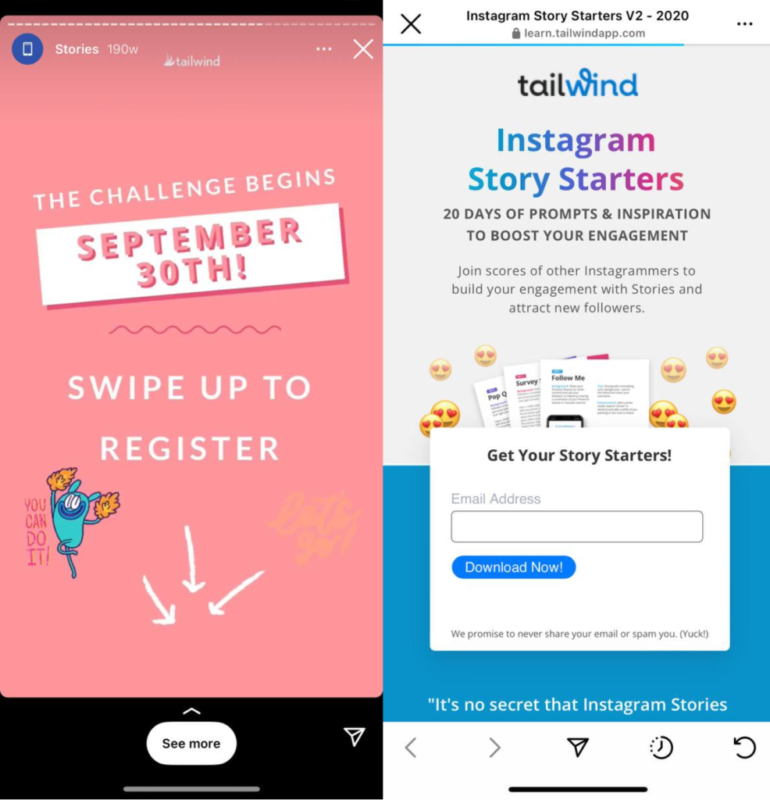
Integrating email marketing and direct mail targeting with Facebook and Instagram advertisements is a potent approach to considerably boosting conversion rates by providing several communication touchpoints. Potential customers are more likely to convert if they come across the same message on various channels, as it strengthens their recognition of the brand and keeps the product or service at the forefront of their mind.
Businesses that prompt consumers both via email and social media are crafting a seamless and convincing experience that ultimately leads to engagement and then conversions. This multi-channel method guarantees that the target audience repeatedly encounters the brand in different situations, thereby enhancing the likelihood of the desired action takeaway (e.g., purchase or signing up for a service).
- Pro Tip: Advertising and communication channel planning should be accompanied by a comprehensive attribution strategy to calculate the real ROI.
9. Tailor Your Content to Appeal to Specific Buyer Personas
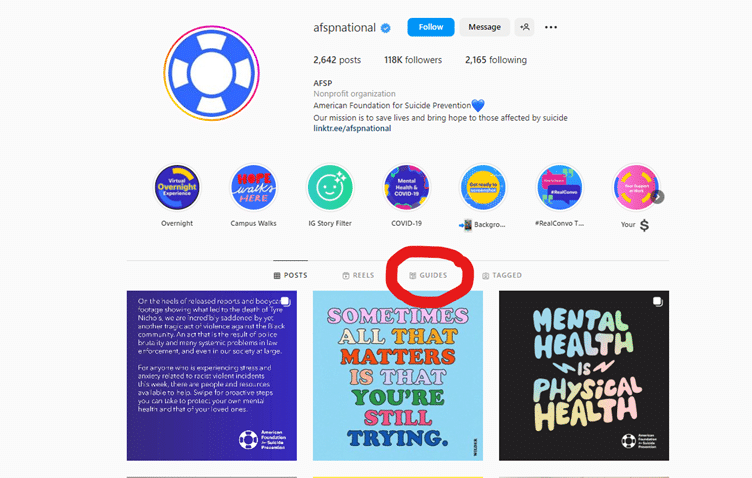
Optimizing FB/IG ads for specific buyer personas would result in the highest effectiveness of a social media campaign. Buyer personas are hypothetical characters that reflect different segments of a brand’s audience, each having specific needs, preferences, and behaviors. If companies tailor their Meta advertising strategy to these personas, they can ensure that their messages deeply resonate with the target audience, thus increasing the chances of engagement and conversion.
Extremely broad ads may not emotionally support any particular group, thus leading to an inefficient use of the advertising budget and missed opportunities for small businesses. On the other hand, by simply lining up the ad content with the specific interests and the pain points of each persona, brands got the opportunity to produce more relevant and powerful campaigns.
- Pro Tip: It is helpful to give each of your buyer personas a name and create a visual guide that is aimed at content creators, media buyers, and marketing strategists for the easy and efficient implementation of high-performing advertising campaigns.
10. Use SMS Confirmations for Booked Events
Instantly sending a text message reminder after a customer has responded to a Facebook or Instagram ad hugely influences the customer to make a purchase by creating urgency and confirming the customer’s interest. If a user in any possible way initiates contact with an ad, that is, by clicking a link, registering for more information, or adding an item to the cart, then an instant text message will be the timely nudge that pushes the user to take the next step.
This direct communication reinforces the brand presence and protects against the customer forgetting their initial interest, which is very significant in a quick digital environment full of distractions.
- Pro Tip: To achieve the highest possible click-through rates, incorporate the customer’s name in the SMS and employ a single, clear call-to-action link.
Conclusion
Meta advertising has changed into a very complex system that is much more than just a platform for paid ads. It now comprises all aspects of data, creativity, automation, and human behavior that ultimately lead to substantial business growth. The whole creative process, targeting, automation, progressive experience, and multi-layer customer engagement are some of the many advantages of the use of Meta Business Tools, which empowers brands to find their customers at the exact point and take them effortlessly through the buying cycle.
The correct usage of these instruments increases not only the brand’s exposure and conversion rate but also long-term brand trust and loyalty in the severely competitive digital market. The more businesses persistently test, optimize, and customize their strategies, the more they are able to explore the entire capacity of Meta and convert social media into real, lasting results.

Vijay Sood is a seasoned digital marketer with a passion for driving online growth and innovation. With a robust background in developing and executing comprehensive digital strategies, Vijay excels in leveraging SEO, content marketing, and social media to boost brand visibility and engagement. His expertise lies in transforming data-driven insights into actionable marketing campaigns, helping businesses achieve their digital objectives.