Most PPC campaigns aren’t unsuccessful due to bad ads but bad landing pages. Even the most well-targeted click won’t yield the desired results if the user lands on a poor landing page. This is the experience after the click, which makes or breaks the campaign’s ROI. This is the reason why good marketers don’t stop with writing good ads but move to the next step by using the best PPC tools to optimize the experience after the click, which is the landing pages themselves.
Let’s dive into the essential tools top marketers use to ensure the best possible performance from their campaigns.
What is a PPC Tool?
A PPC tool, or a pay-per-click tool, is software used by advertisers or marketers to organize and optimize their pay-per-click advertising campaigns in different advertising platforms, such as Google Ads and Meta Ads. A PPC tool may be considered a digital assistant that assists you in every step of your PPC advertising:
- Keyword Discovery: These tools aid in the realization of the quantity, rivalry, and intent of the user in relation to the keywords in order to ascertain the most suitable keywords to target in order to gain increased traffic.
- Ad and Landing Page Optimization: Some tools offer a landing page builder to create ad experiences that align with brand objectives.
- Real-Time Performance Tracking: You can track clicks, conversions, and return on ad spend to know what is working.
- Campaign Optimization: Tools may recommend or implement alterations to a campaign’s bids, ad texts, or targeting options based on performance data.
- Competitor Insights: Some tools let you access information on your competitors’ keywords, ad copy, and spending estimates, giving you an edge in strategy development.
- Automation: The features of rule-based bidding, scheduling, and reporting minimize manual intervention and promote consistent performance.
Who Can Benefit from Using PPC Tools?
PPC tools can be useful to a wide range of users, from an entrepreneur running search engine ads to an advertising agency managing multiple client campaigns.
- E-commerce firms use PPC platforms for discovering ready-to-purchase keywords and for managing product listing ads across various channels using Amazon PPC strategies.
- Solo entrepreneurs can automate tasks such as bid adjustments and track conversions without having to build a team. Test different versions of the ad quickly and determine effective keywords for scaling growth.
- Marketing agencies also stand to gain with multi-account dashboards, automation reports, and optimization tools.
15 Powerhouse PPC Tools for Successful Campaigns
To succeed in the competitive world of digital marketing, it is essential to have a broad range of tools to cover the entire spectrum, from initial investigation to final conversion. Here are the top 15 powerful PPC automation tools used by the leaders to dominate the SERPs and social feeds.
1. Google Ads
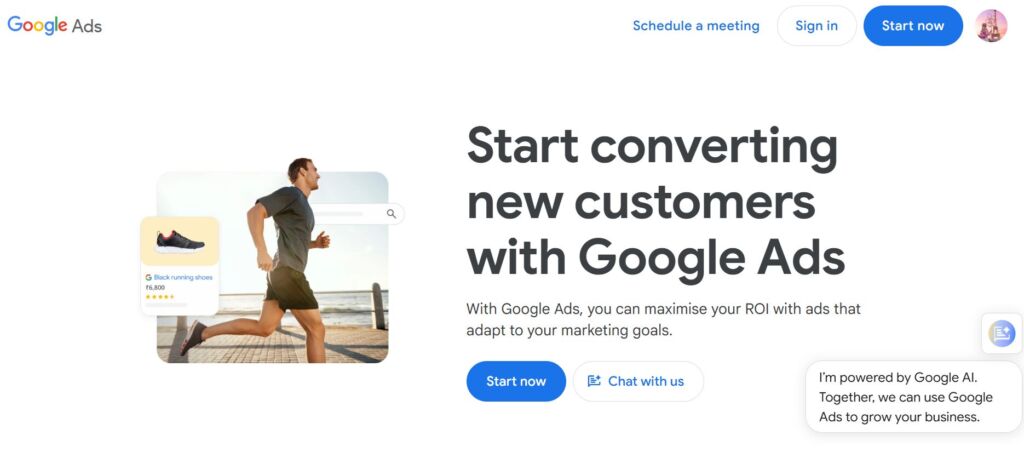
Google Ads is currently the undisputed king of PPC advertising. Google Ads is currently used as the primary means for businesses to get listed on the most popular search engine on the planet. Google Ads utilizes a highly advanced auction model for PPC advertising, allowing businesses to bid on keywords to get their ads displayed to users with high purchasing intent.
Google Ads offers an end-to-end solution for businesses to design text ads, image banners, and YouTube video advertising. Given its massive user base, Google Ads is generally the first stop for any digital marketer. In addition to its simple search advertising capabilities, Google Ads offers powerful Remarketing Ads as well as Performance Max Ads, utilizing Google’s proprietary AI to target customers across Gmail, Maps, and Discovery. Google Ads offers its built-in Keyword Planner tool to plan keywords for advertising campaigns.
Key Features: Keyword Planner, Automated Bidding, Smart Campaigns, and Location Targeting.
2. Semrush
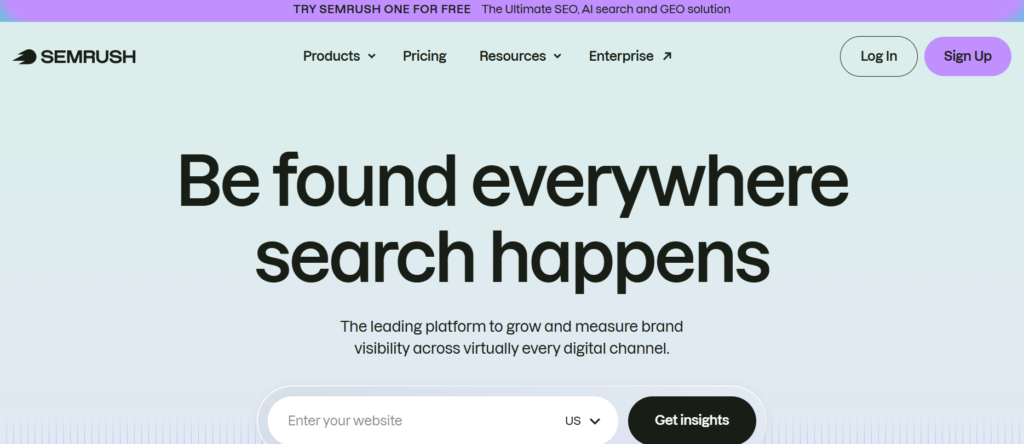
It is a complete digital marketing tool that is best used to “reverse engineer” the success of your competitors’ marketing campaigns. This is because it allows you to know exactly what keywords your competitors are bidding on, how much they are willing to pay, and even what ad copy they are actually using. Not only that, it is a “Swiss Army knife” of tools that can be used by any brand that wants to dominate its niche, by including SEO and content marketing tools alongside its PPC tools.
It is most well-known, however, for its massive keyword database that tracks over 20 billion keywords worldwide, including its Advertising Toolkit that has a “PPC Keyword Tool” that can even be used to eliminate duplicates in a list of keywords to avoid wasted ad spend.
Key Features: Keyword Magic Tool, Advertising Research, PLA (Product Listing Ads) Research, Site Audit.
3. Ahrefs
Though Ahrefs is best known for its excellent SEO features, it’s a behind-the-scenes keyword discovery and landing page analysis tool for PPC marketing campaigns, too. With Ahrefs’ Site Explorer, you can view the paid search keywords of any of your competitors and even the landing pages they are directing visitors to.
Not only can this aid you in understanding the “intent” behind a successful marketing campaign, but it also allows you to focus on keywords that are most valuable and possibly overlooked by your competitors. The “Ads History” report also allows you to view a timeline of how a competitor’s ad copy has been evolving, showing you what’s been most successful so far.
Key Features: Keywords Explorer, Content Gap, Rank Tracker, Site Audit, etc.
4. WordStream
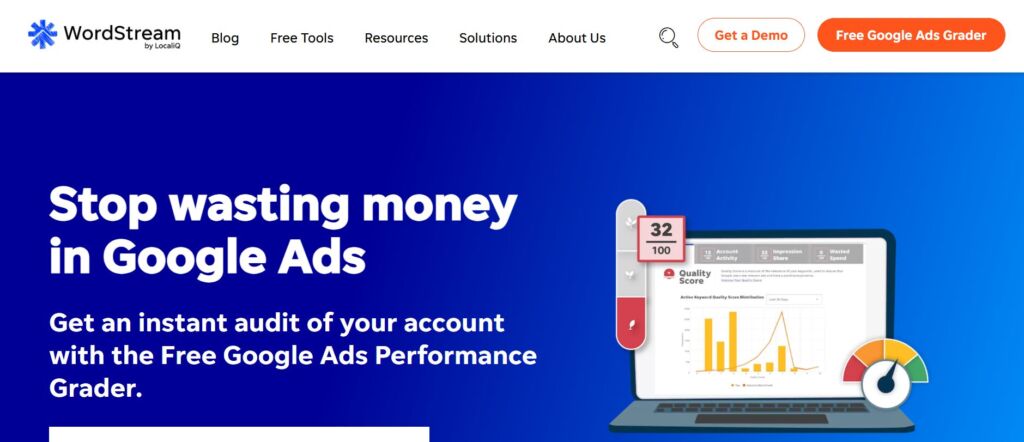
WordStream Advisor is specifically designed to bring PPC management within reach for small to medium-sized companies, even if they don’t have an in-house expert. The standout feature is “20-Minute Work Week”, an artificial intelligence-powered tool that analyzes your accounts and gives you actionable recommendations you can start implementing immediately. It breaks down complex data from Google and Facebook into straightforward tasks to improve your Quality Score and decrease your CPA.
It also comes with a free “PPC Performance Grader” feature, which gives you an in-depth audit of your Google Ads account and identifies areas you may be losing money in. It is an excellent option if you’re looking for something to give you instant gratification without having to sift through technical documentation.
Key Features: PPC Performance Grader, Smart Ads Creator, QueryStream, and Weekly Alerts.
5. SpyFu
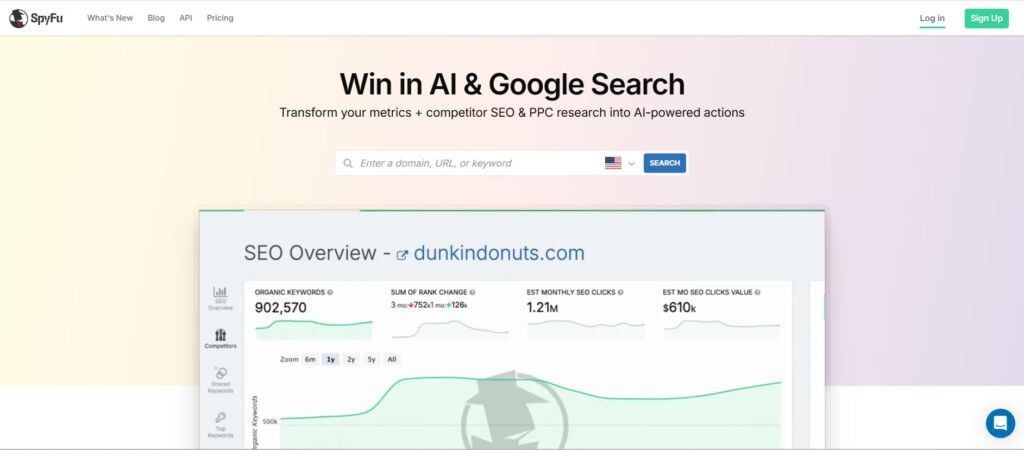
SpyFu is the ultimate resource in the field of competitive intelligence, giving you the time-machine to look into the advertising past of your rivals. You can search any domain and view all the keywords the competition has bought with Google Ads, all the ads the competition has run, and all the organic positions the competition has achieved in the past 15 years.
This lets you skip the costly mistakes the competition has already made and go straight to the winning solution. The “Kombat” feature of SpyFu is also beneficial in finding the “shared” keywords that all the competition is bidding on, highlighting these as a priority. SpyFu also allows users to view the estimated ad budgets of the competition.
Main Features: Competitor Keyword Spy, Ad History, Domain Comparison, and PPC Negative Match suggestions.
6. AdEspresso
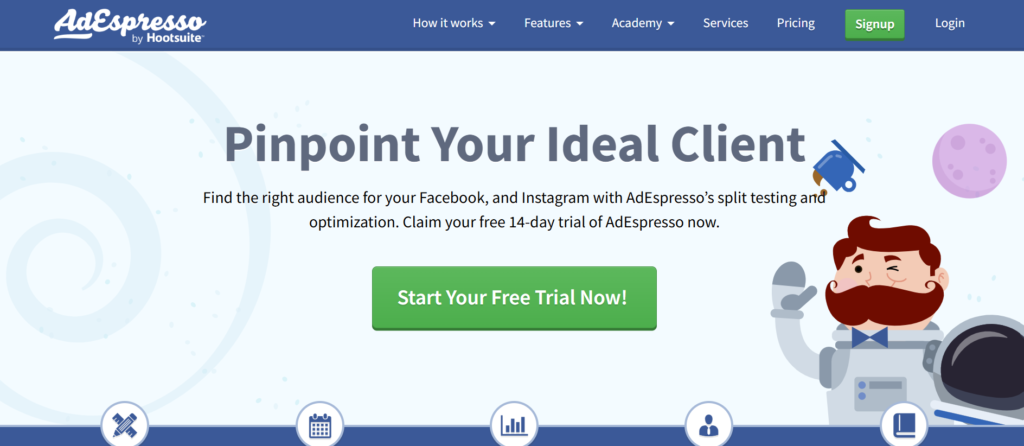
AdEspresso eliminates the complexity of social media advertising by giving you a single, central tool to manage Facebook, Instagram, and Google Ads campaigns. The tool is especially beneficial to businesses due to its “split-testing” features, which enable you to generate hundreds of ad combinations in just a matter of seconds to determine which ad performs best based on images and texts used.
The tool’s user interface is clean and easy to use, especially compared to Facebook’s native Ads Manager tool, which can be cumbersome, especially in a collaborative setting. The tool also has a “Campaign Review” tool, which lets humans give you feedback on your ads to further optimize them before going live. Automating data-crunching lets you scale only ads that actually generate revenue.
Key Features: Rapid A/B Testing, Grid Tool, Custom PDF Reporting, and Automated Optimization rules.
7. Optmyzr
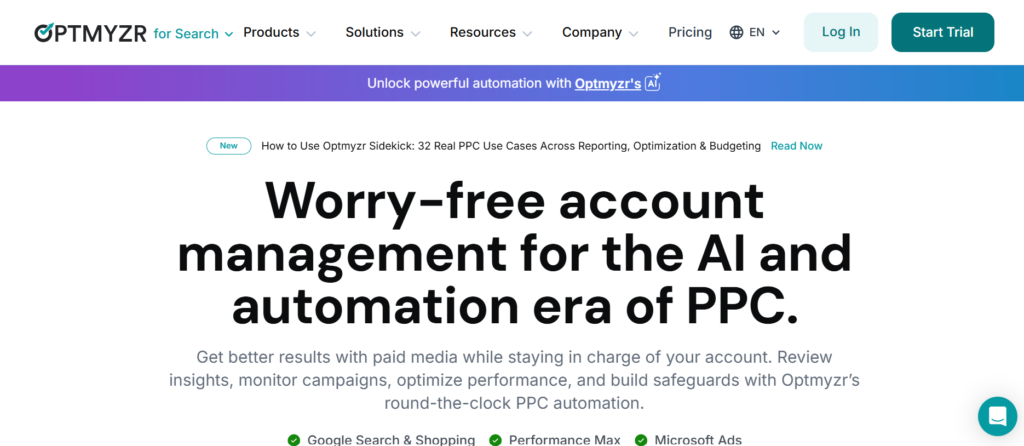
Optmyzr is an automation platform for enterprise-level management, developed by former Google executives for power users who need help with extensive account management. The platform focuses on “data-to-action” workflows and provides tools and scripts for bid management and budget tracking. When you have dozens or even thousands of accounts and keywords to manage, Optmyzr can help you maintain top levels of PPC ad performance without burning yourself out.
The platform includes a “Rule Engine” feature that lets you establish your own logic, for example, increasing your bid when the weather reaches a specific temperature or when your inventory levels are high. The platform also includes advanced “N-Gram” analysis for identifying the most profitable phrases within your keywords, a vital aspect of keyword research.
Key Features: One-Click Optimizations, Rule Engine, Enhanced Scripts, and Shopping Campaign tools.
8. Microsoft Ads
Microsoft Ads is also an underutilized platform, but it gives access to a niche market that is typically more affluent, using Bing, Yahoo, and AOL. Since competition is typically lower on these search engines compared to Google, advertisers can take advantage of a much lower Cost Per Click (CPC). This is an invaluable asset for any advertiser looking to expand their audience while targeting those using Windows-based search environments within a corporate environment.
Microsoft also gives you an easy Google Import, so that you can copy an entire Google AdWords account structure over within a matter of clicks. They also offer other targeting options, such as LinkedIn Profile targeting, that can be extremely valuable for B2B marketers.
Key Features: Import from Google Ads, LinkedIn Profile Targeting, and Multi-Device reach.
9. Skai
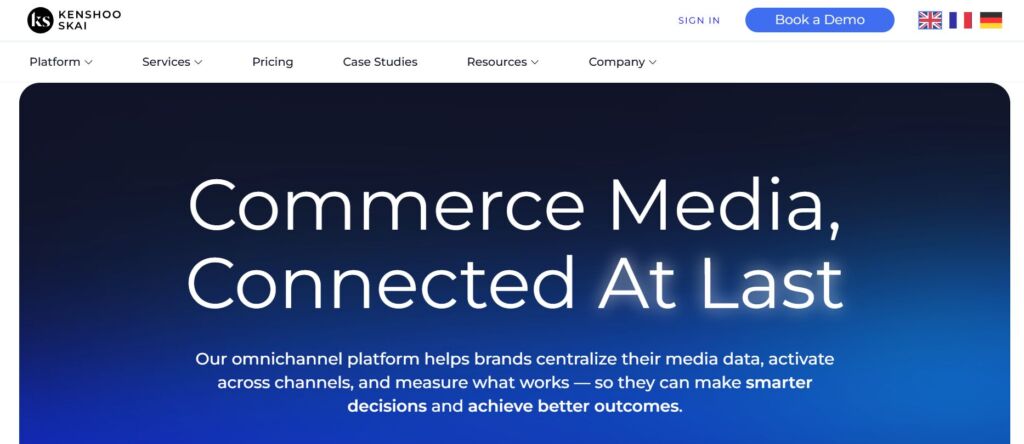
Skai is a high-end marketing portal that focuses on brands that require an integrated vision of their search, social, and e-commerce advertisements. It applies excellent AI that empowers marketers to distribute their marketing budgets in various marketing channels to guarantee maximum ROI. It is a favorite with leading brands and firms that require robust data integration capabilities and high-quality forecasting capabilities.
It happens to be an expert in the field of “Walled Garden” advertising, providing the brands with potent knowledge about Amazon, Apple search Ads, and Google, among others. It does this by removing data silos by uniting more than 100 publishers under a single umbrella.
Key Features: Cross-channel attribution, automated bidding, budget navigator, and creative management.
10. Marin Software
Marin Software offers a cross-channel advertising platform that can help marketers establish the connections between their advertising efforts in search, social, and display channels. The key advantage of this platform is its capacity for handling large data volumes and offering a ‘single source of truth’ for marketers. With this platform, marketers can effectively coordinate their advertising efforts across different channels, thus ensuring a unified brand experience for their customers.
The ‘Revenue Tracking’ feature of this platform allows you to upload your offline sales data and establish connections between your sales and corresponding ad clicks. It is best suited for large-scale marketing efforts that need to manage millions of keywords and hundreds of different creative assets.
Key Features: Unified Reporting, Bidding Folders, Revenue Tracking, and Audience Hub.
11. ClickCease
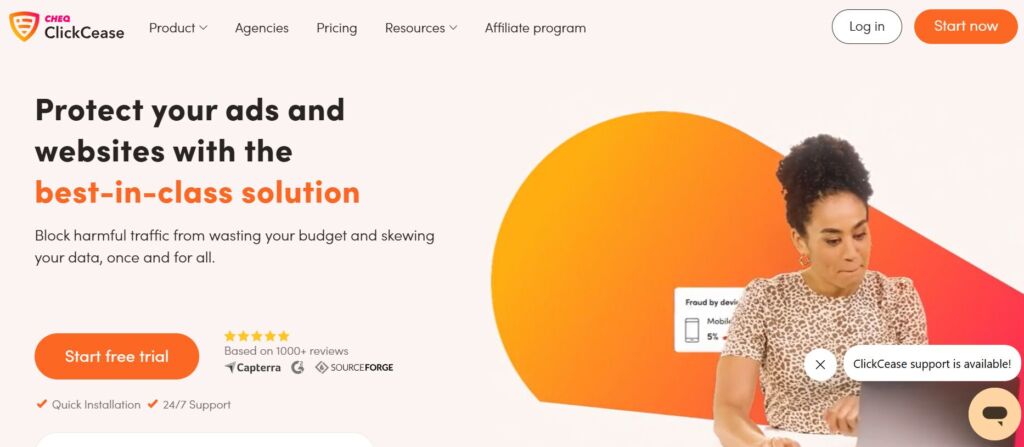
ClickCease is designed as a security tool that helps protect your advertising budget from Click Fraud. By monitoring your traffic in real-time, you can block IP addresses that are fraudulent from even seeing your advertising, thereby saving an average of 20% of your ad budget. This ensures that every penny of your advertising budget goes towards real, potential customers, and not towards bot traffic or other malicious users.
Additionally, it also helps create reports that can be submitted to Google or Bing in order to request refunds on your advertising budget. In competitive industries, such as legal or locksmith services, it can mean the difference between profit and total loss.
Key Features: Auto IP Blocking, Competitor Monitoring, Fraud Analytics, and Ad Network Refunds.
12. HubSpot Ads
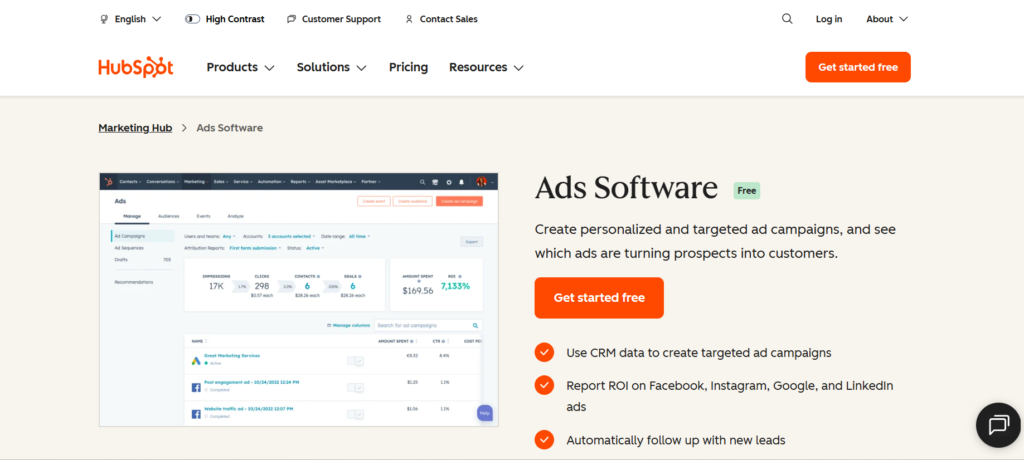
HubSpot’s Ads service allows you to integrate your advertising with your CRM system (Customer Relationship Management). By doing this, you can easily see which ads are resulting in actual sales, not just clicks and “leads,” giving you a much better understanding of your ad’s ROI. By closing this loop between marketing and sales, you can use HubSpot’s system to understand better which ad campaigns are producing the highest lifetime value potential for your business.
With this system, you can also use your CRM system to create very targeted “custom audiences,” such as retargeting your most qualified prospects that are at a certain step of the sales process. It also makes it easier to report on all aspects of your lead generation by bringing all data into one place.
Key Features: Lead Syncing, ROI Tracking, CRM Integration, and Sequence Automation.
13. AdRoll
AdRoll is a specialist in the field of “Retargeting,” which is the ability to reach users who have previously visited your website but did not make a purchase. They have access to millions of sites and social networks, so your brand is kept at the top of the consumer’s mind as they browse the Internet. Additionally, the “Bid-IQ” technology is an Artificial Intelligence algorithm that ensures you are bidding the correct amount per impression to increase the opportunity of the consumer returning to the website.
In addition to the Retargeting product, AdRoll also has “Prospecting” products to help find new users who are essentially the same as the users you already have. The dynamic creative feature allows the ad to be created with the products viewed by the consumer on the advertiser’s website, greatly increasing the chance of the ad being clicked.
Key Features: Cross Device Retargeting, Dynamic Creative, Email Integration, and Bid-IQ.
14. CallRail
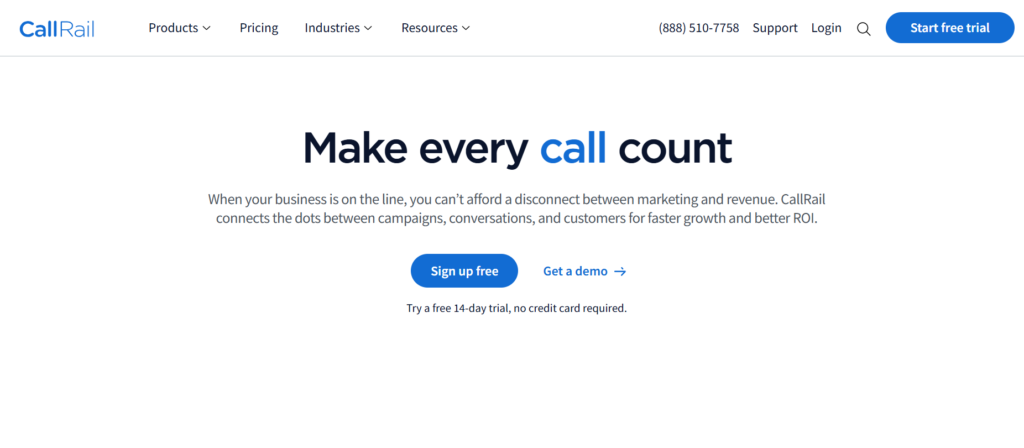
CallRail is particularly important if you are in an industry where phone calls are integral to generating sales, such as if you are a lawyer, contractor, or in the health field. With “Dynamic Number Insertion,” you can track what PPC ad or keyword is prompting each user to grab their phone and call your company.
This is particularly important if you are looking to optimize for “call conversions,” as they can be exponentially more valuable than any other conversion action. There is also an AI-driven “Conversation Intelligence” that can automatically identify certain phone calls as “qualified leads” by recognizing keywords used during the call itself.
Key Features: Call tracking, Form tracking, Conversation Intelligence, and CRM integration.
15. Moz
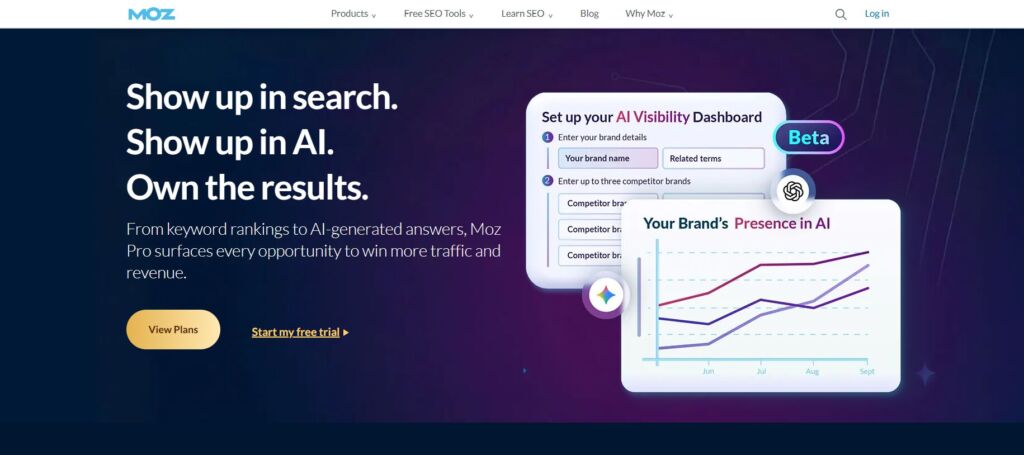
Even though Moz is a giant in the SEO world, its “Keyword Explorer” and “Domain Analysis” features are very useful in the planning stage of PPC marketing. It also gives you an idea of the “Difficulty” and “Organic CTR” associated with your keywords, enabling you to select keywords that may not work in SEO due to high competition but would work perfectly in PPC marketing.
It also focuses on data quality, ensuring you select keywords for your PPC marketing campaign that are highly relevant and have high search volume. Furthermore, you can also use “Link Explorer” as a management tool to identify high-authority sites in your field in which you may want to advertise through display ads. It is an excellent way of connecting your SEO and PPC marketing strategies.
Key Features: Keyword Explorer, MozBar, Link Research, and Local SEO tools.
Conclusion
To sum it up, the world of Pay-Per-Click advertising cannot be learned in one day, and it cannot be acquired by having a substantial budget; it must be the combination of information, planning, and innovative technology. Combining these 20 powerful tools into your campaign management process will allow you to go beyond trial and error to create mathematically optimized PPC campaigns that will grow and be efficient.
The marketing activities that the appropriate toolkit supports include automating your bidding with AI, protecting your investment by preventing click fraud, and creating high-converting landing pages. The right toolkit is a force multiplier in your marketing. In the long run, the resources will enable you to build your business boldly, knowing that each dollar you invest will be a thoughtful move toward increased ROI and profitable digital success.

Vijay Sood is a seasoned digital marketer with a passion for driving online growth and innovation. With a robust background in developing and executing comprehensive digital strategies, Vijay excels in leveraging SEO, content marketing, and social media to boost brand visibility and engagement. His expertise lies in transforming data-driven insights into actionable marketing campaigns, helping businesses achieve their digital objectives.