The tourism industry is among the most significant and rapidly growing globally, with digital marketing playing a pivotal role in this growth. In 2024, there was a substantial increase of over 1.4 billion international overnight visitors, a jump of 140 million more than the previous year. This is not merely because of people’s love for exploring places. Such a significant increase is a result of clever tourism marketing, which connects people with places instantly through technology.
Digital transformation in the last decade has completely changed the way tourist destinations are promoted, how bookings take place, and how experiences are shared. Whether it’s social media campaigns or influencer partnerships, the role of digital marketing in the tourism sector is irrefutable. If you are interested in constructing your own future in this ever-changing field, understanding digital marketing in the tourism industry is essential. In this blog, we will discuss some of the digital marketing approaches that can assist you in turning around your business. So, let’s get started!
Why is Tourism Marketing Important?
Tourism marketing is what brings economic success to the country or region that is being visited. The tourism industry brings in customers who, in turn, generate income that is used to create employment and improve infrastructure. Statistics have confirmed that digital marketing can help boost visitation rates.
Strategic marketing further protects the culture by promoting the local culture and history. If visitors are able to enjoy this, they will continue to support the destinations by funding the preservation for the future. Strategic marketing further optimizes the flow of visitors by marketing the less-visited sites. By applying SEO, a hotel or a site can target the audience they want, thus improving the brand message.
7 Successful Tourism Marketing Strategies
Here are the 7 ways in which tourism enterprises and destinations can thrive:
1. Use Storytelling to Connect Emotionally
Authentic storytelling is what helps make regular places become unforgettable experiences. When you use authentic stories from locals and past visitors, you are building connections that mere data and information cannot create. This will help potential business travelers imagine themselves in your destination.

For instance, listening to a recorded presentation of the history of a city’s founding while standing at a monument can increase a person’s connection to that history. Think about adding audio and video messages into kiosks or self-guided walking tours that include podcasts in order to make history more memorable and meaningful by associating it with stories that are remembered long after facts are forgotten.
2. Enhance Your Online Booking Experience
Improving your online booking process is significant for tours and activities businesses that want to tap into the growth of online travel bookings worldwide, projected to reach 817 billion dollars by 2025. This projection emphasizes the need for optimizing your online presence for direct booking. This is how you can optimize your online booking process:
- User-Friendly Design: It has to be ensured that your website has a user-friendly design and that it supports easy navigation and is also mobile-friendly.
- Efficient Booking System: It is essential to have an efficient booking system that can manage changes in hotel availability on a real-time basis to prevent overbooking. It should also have transparent pricing and payment options.
- Personalization: Use customer data and Google Analytics to make personal bookings possible, such as recommending activities according to their personal preferences.
- Customer Support: Offer multiple alternatives for customers to contact your support team through live chat to assist them with booking and answer their questions quickly.
Enhancing your customer support can greatly benefit your conversion rates. For more information on how you can enhance your customer support for tour operators, see below for what you can begin using today.
3. Influencer Partners Activation
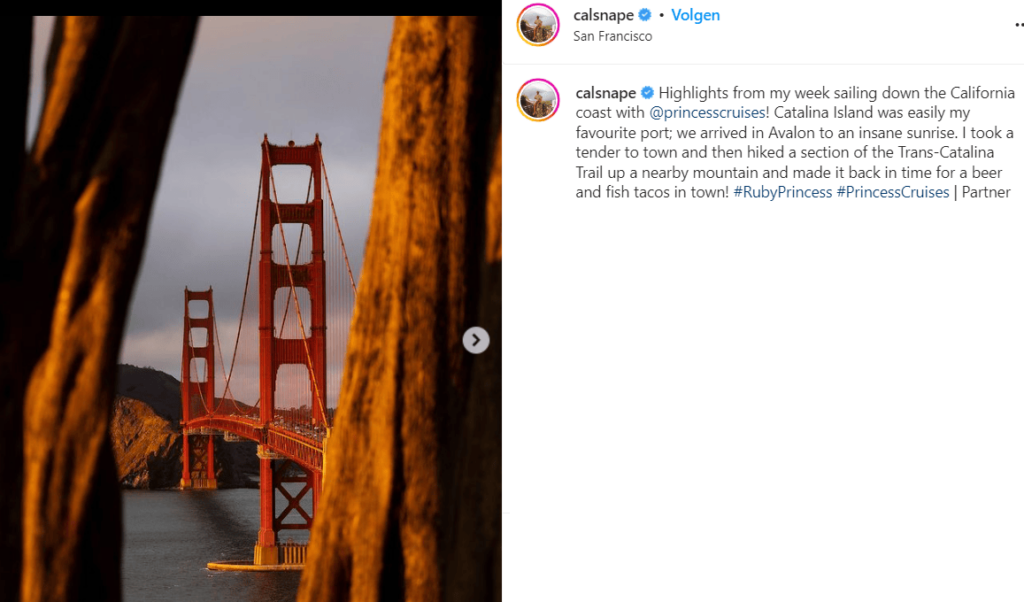
Influencer partnerships are a constantly growing marketing alternative that travel and activities companies can use to increase their reach in digital marketing. In a partnership with influencers, travel companies can tap into the vast audience that follows and respects their opinions:
- Reach and Engagement: Influencers can help reach your brand to a wider number of people. According to a study carried out by Mediakix, 89% of marketers feel that the ROI on influencer marketing is similar to or better than other marketing methods.
- Authenticity: Partnering with influencers who are genuinely interested in and engaged with your product or service can help in the creation of more authentic content that reaches potential consumers in a more effective way.
- Targeted Marketing: Selecting influencers who have followers that correspond with your target audience, such as millennials, will help your marketing campaign reach the people most likely to take your vacation package.
4. Build an Email Marketing Funnel
Email marketing is an effective method to develop and retain contacts with prospective visitors during the planning phase of flights and travels. The average result for email marketing is the conversion of 15% of the contacts, and since 77% of marketers have observed an increase in engagement in the last year, the result is likely to be even better.
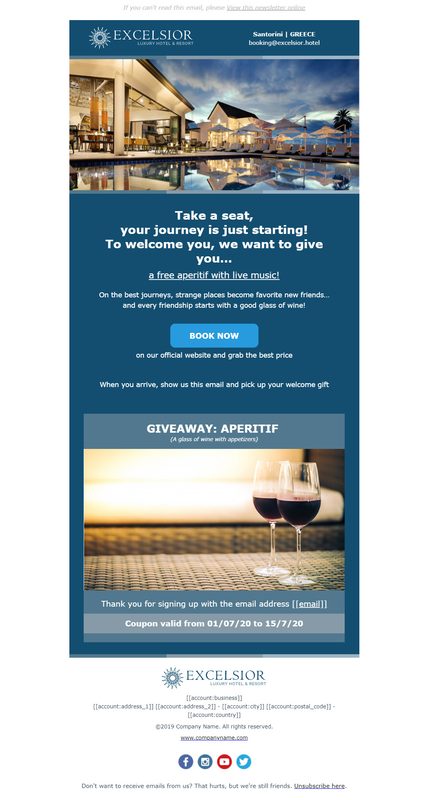
Provide value on the landing page through resources such as downloadable information, trip planners, and special content that addresses frequently asked questions in travel. This will encourage them to give you their email addresses so you can communicate with them. When you have their email addresses, you can send them information based on their interest in travel, especially if it’s in opportunities that interest them. This can be achieved through digital communication.
5. Invest in Search Engine Marketing (SEM)
Google Ads targeting destination-based searches provides high-intent traffic to travelers searching for museums and other culture-related destinations. Such ads target potential visitors at a very important stage of decision-making, which can be influenced by a carefully designed ad.
To be most budget-efficient and acquire customers at the lowest cost possible, your campaigns should be driven by time-sensitive promotions related to seasons and events. This means that promoting your summer exhibit in the winter season is inefficient advertising spend, but advertising special exhibitions, holiday programming, or temporary collections while those events occur yields better results.
In addition, your advertising campaign to target and retarget visitors who have viewed self-guided tours also keeps your business front and center online throughout the longer planning cycle of cultural travelers. The use of the correct keyword plan helps to ensure that the right customers come to your website.
6. Showcase Tours on TikTok
TikTok has proven to be a very effective marketing tool for tour operators, due to its massive following and high levels of user engagement. With a user base that exceeds 1 billion, the platform offers a unique marketing opportunity for tour operators to advertise their services.
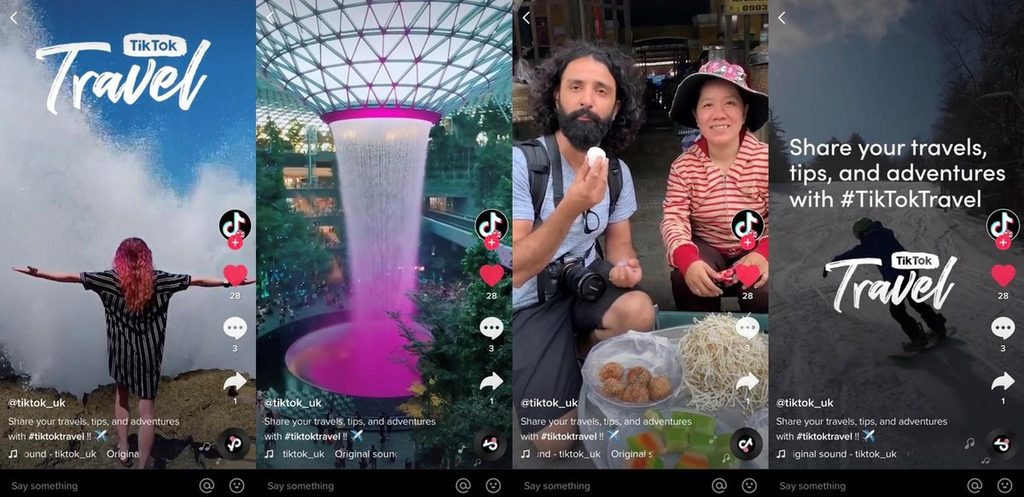
Operators can produce an attractive video that showcases the fun and beauty of their tours, utilizing popular music, hashtags, and trending topics that will grab the attention of potential customers. Moreover, the algorithm of the platform will favor the post that initially got engagement, thus making it an attractive tool for reaching a broad audience and understanding what has worked well for your target group. This is an excellent tool for gaining new markets in a competitive environment.
7. Leverage Voice Search Optimization
With the emergence of the use of voice assistants such as Siri, Alexa, and Google Assistant, optimizing for the use of voice search has become an integral part of online marketing. The projected rate of the use of voice search for searching information is 20.5% of the population.
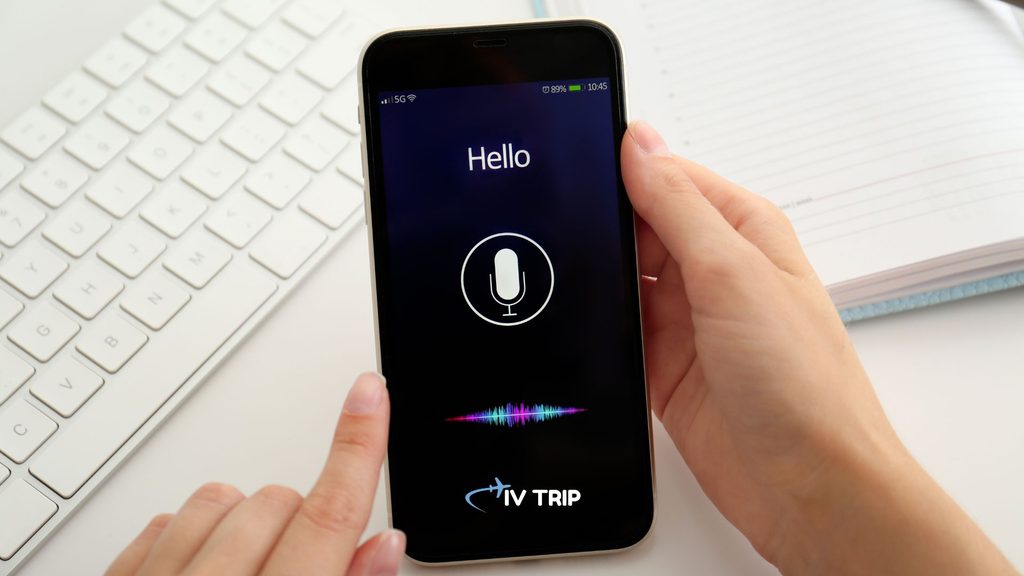
For example, searches such as “what to do around me this weekend” are types of conversation searches, which have their own optimization strategies, unlike normal searches. To ensure that your site shows up in these search results, using structured data and comprehensive FAQs on your site helps search engines like Google understand your content better. Online marketing in the travel industry also has to take into consideration the usage of a site like TripAdvisor, using voice commands to look up a particular place or a hotel.
Conclusion
Digital marketing in the travel and tourism industry is not just the future; it’s now. In a world where travelers use Google, Instagram, and YouTube to find inspiration and make travel arrangements, having a strong online presence is everything. Digital marketing assistance is necessary to help navigate each and every platform, from advertising on Facebook to setting up new blogs.
Whether it is your travel agency, resort, tour operator, or destination management company, it is essential to know how to market your brand online. Online marketing is the way to reach your target market, gain their trust, differentiate yourself among your competitors, and ultimately increase your earnings. With a proper online marketing plan, you can always be the first preference for any person wanting to see the world.

Vijay Sood is a seasoned digital marketer with a passion for driving online growth and innovation. With a robust background in developing and executing comprehensive digital strategies, Vijay excels in leveraging SEO, content marketing, and social media to boost brand visibility and engagement. His expertise lies in transforming data-driven insights into actionable marketing campaigns, helping businesses achieve their digital objectives.