
Over 70% of all shopping carts are abandoned, leaving billions of dollars annually wasted in the new online economy. Each time a buyer visits your site, navigates through product details, drops items into a shopping cart, and then unexpectedly vanishes at checkout, they are silently bloodletting your available margins. Response mechanisms like a standard reminder email, a retargeting ad, or a mass discount coupon are generally ineffective because they are identical for all visitors.
Navigating between options at a magnitude driven by FOBO (Fear of Better Options), today’s modern indecisive buyer is a perpetual comparative, which, when converted, leads to cart abandonment. To realize this excess inventory of potential and potential purchases, merchants need to leverage an automated, knowledge-rich ecosystem that targets this deadly subject trip with a deep understanding of contextual buyer cues that anticipate intent. To learn how to operationalize AI personalizations to truly personalize consumer behavior, keep reading.
Challenge with Traditional Cart Abandonment Recovery
Degraded manual cart recovery campaigns and legacy static workflows are not enough. In an emerging era of E-Commerce, a simple abandoned cart can have multifactorial origins. Both manual cart recovery campaigns and legacy static workflows fall short of the sophisticated marketing we now need in our highly digitized society.
Why Generic Reminders Fail to Resonate
- Time-lagged Reactions: When you manually send follow-ups, customer’s reply is a thing of the past.
- One-Size-Fits-All Messaging: Offering discounts across the board encourages people to learn to game the system by not purchasing until you send a promo code, crushing margin in the process!
- Barriers to Manual Segmentation: Marketers are unable to quickly analyze multi-channel behavioral signals, resulting in poorly timed/miss targeted outreach.
- No Insight to the Reason for Drop-Off: The existing automation frameworks were not detailed enough to determine whether the cause was checkout pain points or the high shipping amounts.
How AI is Revolutionizing Cart Abandonment Recovery
An AI-powered solution revolutionizes shopping cart abandonment by eliminating the guesswork and delivering incredible accuracy at scale. AI tools have the ability to understand sophisticated browsing signals such as mouse and tab switching far beyond human limits.
AI offers natural and humanistic benefits by utilizing a means to calculate pinpoint price elasticity, as well as whether an abandoner requires a small incentive offer or merely a reassuring service message. Along with having advanced anti-annoyance protocols in order to do all the heavy lifting by automatically applying frequency cap management, ensuring your brand is never a pain.
Key Features of Our AI-Powered Cart Abandonment Recovery Agent
In order to develop a revenue retrieval engine that produces a high conversion rate, your platform must be capable of tying up deep behavioral analytics with autonomous execution platforms like Shopify or enterprise sales systems.
Real-Time Cart Monitoring and Continuous Tracking
An AI cart recovery system keeps tabs on live sessions on desktops and mobiles. The split second a shopper hits dead tab or hovers the mouse cursor near the close button, the engine takes notes right away. The high abandonment rate of 74 percent on mobile devices makes every second of time crucial.
Behavior-Based Triggers and Dynamic Incentives
Rather than following a preset script, an AI cart system can use various behavioral cues as custom trigger points. The system’s algorithm assesses what is in the cart, looking at whether the total exceeds a certain premium level, and in response, if it identifies “high price sensitivity,” it will deploy a specific trigger, such as a free-shipping incentive or a limited-time korting. If it detects a “structural hurdle,” it offers different payment methods or reassurance-inducing return policies.
Predictive Exit-Intent and Friction Detection
Some sophisticated machine-learning systems go even further than the mouse, layering together other signals, including time in session, scroll percentage, and active form hesitation, into a comprehensive analytical engine that reliably distinguishes true shopping intent from users simply exploring, from those experiencing actual checkout friction, a reduction in false positives.
Omni-Channel Conversational Orchestration
Fits seamlessly into the Modern consumer’s preferred touchpoints by communicating natively on any channel – moving seamlessly from web chat to direct messaging networks. Through an autonomous AI agent, the system has natural, context-aware conversations which feel more like talking to a knowledgeable in-store employee than scripted marketing.
Unified Performance Optimization Analytics
A single dashboard in real-time summarizes your live store data and transparently assesses aggregate retrieval health. The dashboard shows with precision which automated workflows will hold your product margins intact and which will have to resort to hard-core promotional discounted markdowns, giving merchants full transparency on net recovered dollars.
Step-by-Step Guide to Proactive Cart Recovery Automation
Launching a new AI-powered cart recovery workflow demands a clear implementation plan in order to maximize expected long-term recovery performance. Consider the following approach:
1. Diagnose Drop-Off Points with Cart Abandonment Analysis
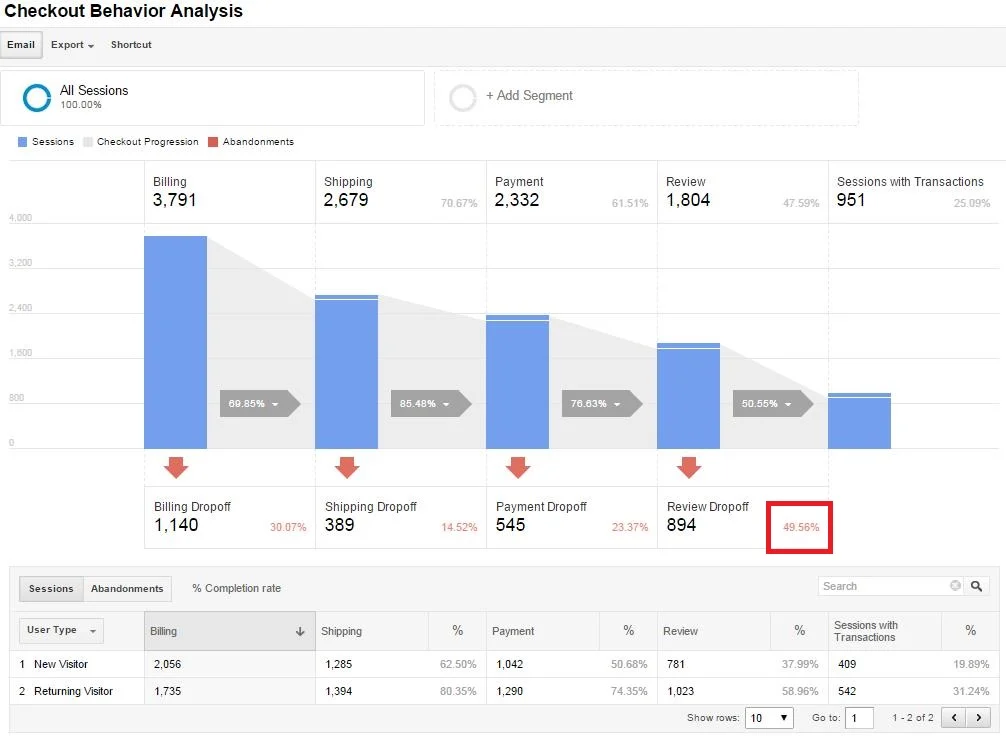
Use your e-commerce analytics to identify where drop-off is occurring within your current checkout. Find out whether people are abandoning your site on the main cart page, the shipping entry point, or the final checkout page. Once you have the numbers, set up a quick survey to be sent out to customers once they have abandoned the checkout page and discover the real friction points for the abandonment.
2. Streamline Your Baseline Checkout Flow
Before the triggers automatically kick in to drive recovery, personally optimize your site UI to naturally reduce this abandonment at the outset. Use market-proven tactics to simplify complex forms, provide frictionless guest checkout, and include an easy-to-understand step-by-step progress marker. Eliminate initial checkout friction so your recovery tools aren’t used to capture just distracted qualified leads!
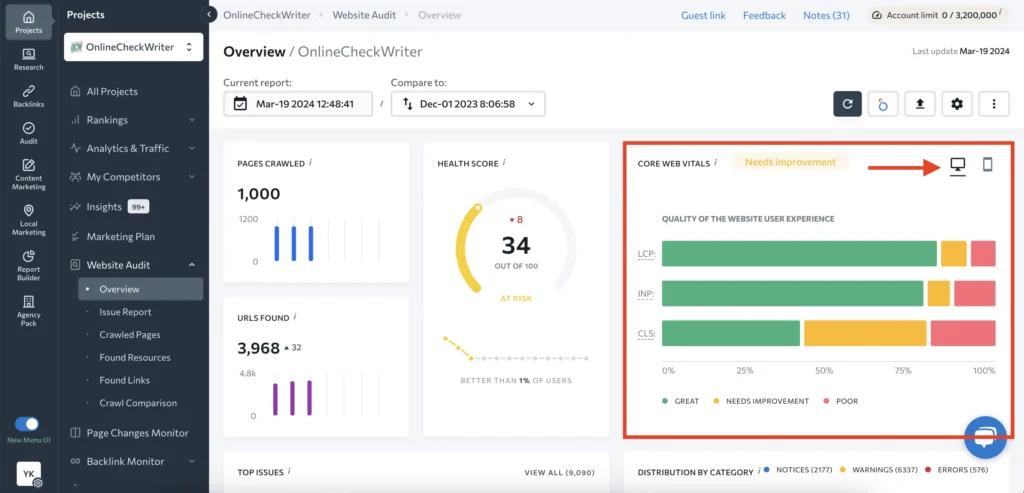
Before deploying automated recovery triggers, optimize the checkout experience to reduce abandonment at the source. A conversion-focused digital marketing partner can help identify funnel friction, simplify the customer journey, and improve checkout conversion rates.
3. Deploy a Personalized Multi-Channel Recovery Agent
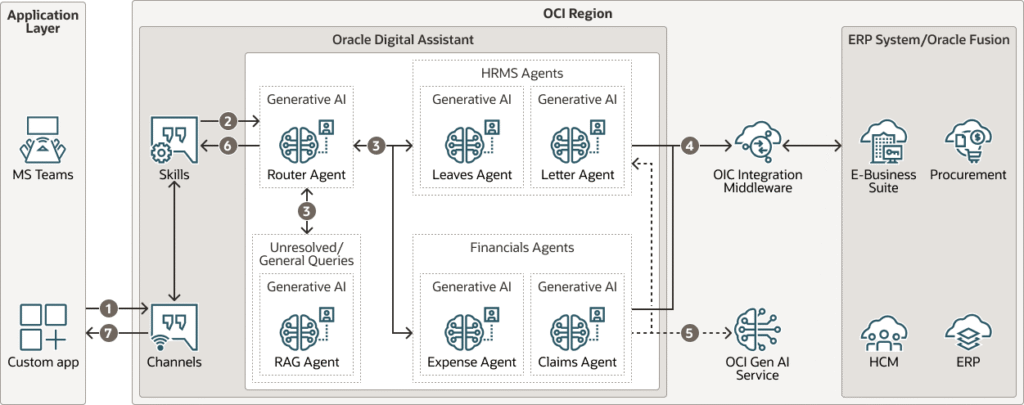
Add an intelligent AI agent to your shop to orchestrate multi-channel recovery flows, help me with email, SMS, and WhatsApp. Make sure you have dial, email records in the discovery field, and your system can send a half-price recovery email or even a direct instant message at the moment of highest intention.
4. Execute Objection Handling Instead of Blind Discounting

Set up your cart recovery agent that is going to converse naturally with the abandoner as a two-way conversation, not just filling their shopping cart with coupons. Have your recovery agent directly inquire whether a certain size is in stock or if an item fits, or even when the package may arrive. How you overcome those clear objections in the moment is how you are going to recover the sale without sacrificing your margin.
5. Analyze Recovery Performance and Track Conversion Rates
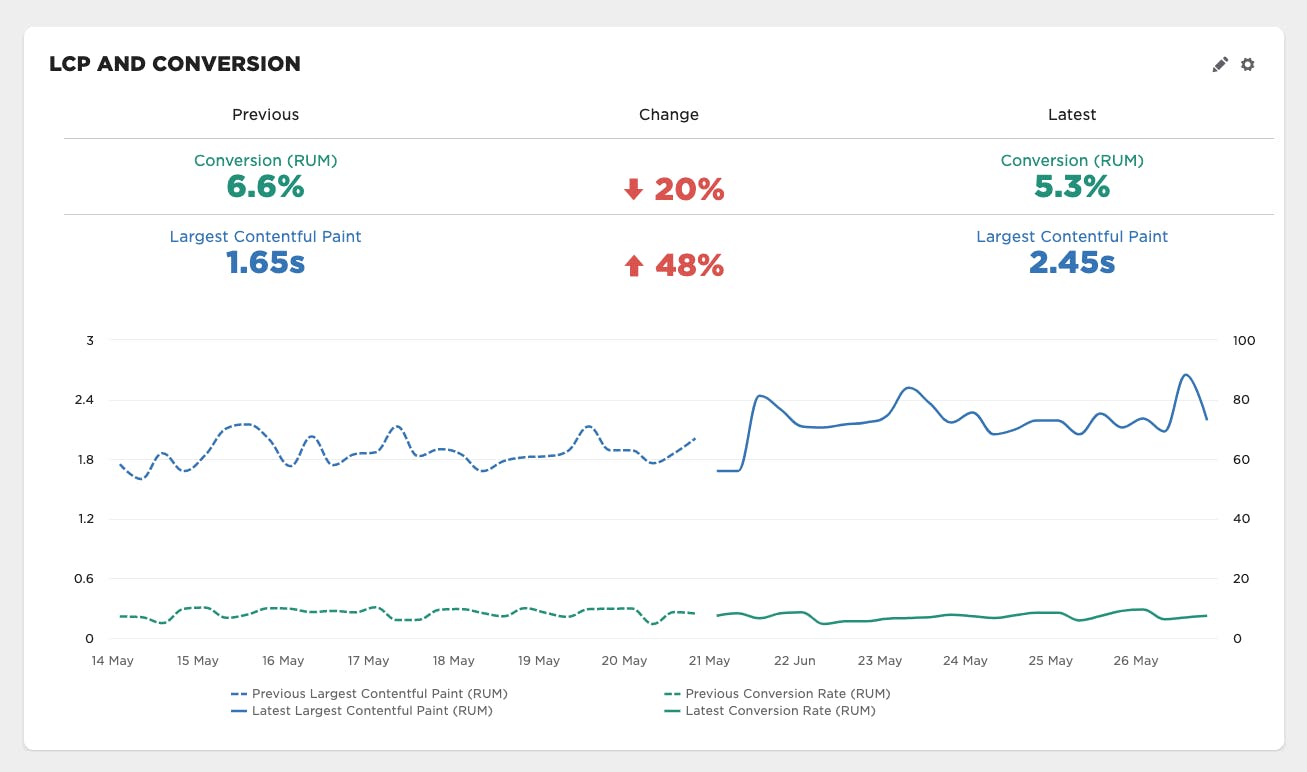 Keep a close eye on live dashboard metrics – keep track of your total lost carts versus recovered revenue. Check out your email conversion rate, click-through rate from SMS, and base-level retention rating, and continually tweak your timing and channels to increase baseline conversion.
Five Abandoned Cart Recovery Strategies in Motion
Having five different agentic types of approaches, online retailers can take advantage of the maximum revenue from reluctant shoppers at various touch points.
1. Real-Time Intervention at Checkout
When a digital buyer remains on a checkout page for longer than 45 seconds, a clever AI cart abandonment removal agent service automatically pops up an in-page chat gadget. The super agent assists by resolving technical concerns or providing return policy guidance, eliminating the delay prior to parting with the shopping basket.
2. Smart, Personalized Follow-Up After Abandoned Carts
If the end user leaves behind items of high intent by closing the browser, the AI-assisted abandoned cart recovery engine generates a custom post-abandonment message. Instead of sending out a blank template, it features exactly the abandoned cart product image and poses an appropriate question regarding their specific sizing/shipping issues to drive them back.
3. Recovery via WhatsApp, SMS, and Instagram DMs
Mobile-first buyers spend a lot more time in their messaging apps than they do in their email inbox. With an automated outreach platform, your system sends a pristine, low-friction text message directly to their mobile device with a unique one-click checkout link offering the easiest way for them to complete their transaction.
4. Algorithmic Coupon Optimization
A sophisticated AI translation & filtering engine ensures that the customer truly demands an incentive to convert. Through looking at prior purchasing trends & site velocity, the engine fully negates the issuing of the voucher for those visitors for whom the indication is that they would already have bought, therefore only expecting to target the most price-sensitive groups.
5. Turning “Lost” Carts into Future Revenue
In the case where a consumer is unreachable for immediate purchase, agentic AI tags their profile within your CRM according to their stark browsing intent. The platform reuses these intense behavioral flags later on by activating hyper-targeted back-in-stock notifications, seasonal markdowns, or customized product suggestions that draw the consumer back into the lifecycle.
Conclusion
Moving from stiff, legacy playbooks to flexible, AI-powered ones revolutionizes how brands handle lost sales today. By employing an AI assistant that actively uses data to address the real reasons for shopper hesitation as opposed to firing off advertising, you dramatically improve all aspects of your store’s digital ecosystem. In the end, implementing a focused, multi-channel recovery playbook enables your brand to increase conversion, save valuable margin, and transform expensive fallout into lifetime customers.

Vijay Sood is a seasoned digital marketer with a passion for driving online growth and innovation. With a robust background in developing and executing comprehensive digital strategies, Vijay excels in leveraging SEO, content marketing, and social media to boost brand visibility and engagement. His expertise lies in transforming data-driven insights into actionable marketing campaigns, helping businesses achieve their digital objectives.