
The difference between a passive viewer and an engaged customer often comes down to an effective call to action (CTA) that encourages users to take a specific action. A properly structured CTA not only makes a response visible but also serves as a real interaction booster, turning interest into action. Talking about tab or button clicks, one wonders how many more ways to ‘sign up for a newsletter,’ ‘make a download,’ enhance the lead base,’ or ‘push sales further’ are possible before the ‘right CTA’ cannot further increase engagement rates dramatically.
In this article, we will uncover 10 proven CTA examples that excel at grabbing attention and sparking meaningful customer engagement. From the direct appeal of “Shop Now” to the urgency of “Offer Ends Soon,” you’ll discover how to create compelling messages that resonate with your audience and inspire action.
What Is a Call To Action?
A call to action is usually a text that urges the reader to take a specific action immediately or make a purchase. They tend to be the most conspicuous features and are often placed in positions that capture attention.
CTA’s main objective is to guide potential buyers to take the right action, e.g., signing up, buying, downloading, or commenting. A good example of an excellent call to action is the use of phrases such as “Buy Now” and “Get a free demo.”
Why CTA’s Matter: The Psychology Behind The Click
They are not mere links or buttons but rather CTAs that use human psychology to inspire a user to perform a specific behavior. To the greatest extent, CTAs leverage emotional triggers and behavioral principles to propel users further along their journey.
They Reduce Decision Fatigue
Online users are bombarded with options every minute. The presence of a clear, influential CTA helps eliminate the barrier by showing users exactly what the next step should be. Instead of the user-turned-wanderer, the user is directed to a spot with a targeted outcome.
They Create A Sense Of Urgency
“Now,” “Today,” and “Limited Time” are words that create a sense of urgency. This urges users to act immediately rather than later, as they may forget about it. Scarcity and time-sensitive language are two of the most potent motivators.
They Offer A Reward Or Value
The likelihood of a person clicking increases if they are led to believe they will get something out of it. One such example is the use of the phrases “Get Your Free Trial” and “Unlock Exclusive Content,” which create an exchange that feels worth it.
They Tap Into FOMO (Fear Of Missing Out)
Efficient CTAs usually imply that postponing or doing nothing might lead to missing out on something valuable. This activates one of the fundamental psychological motivators and accounts for increased conversion rates.
They Reinforce Trust And Control
The use of words that give the user the power, like “You Choose the Plan” and “See Pricing Before You Commit,” builds confidence. It allows users to feel secure as they take the next step without trouble.
How to Write a Good Call to Action
Creating a compelling call to action (CTA) is necessary to convert a website visitor into a lead or client. Here are the ways through which your CTAs can become compelling and prompt actions:
Use Action-Oriented Language
Make the action part of your CTA first by using a verb that attracts the desired action, like “Download,” “Subscribe,” “Join,” or “Start.” This straightforward method leaves no doubt about what is expected of the user. As an example, “Download Your Free Guide” is far more convincing than a nondescript “Click here.”
Create a Sense of Urgency
One of the factors that brings about a significant spike in conversion rates is the immediate action calling for a person. Use time-bound language, such as “Offer ends soon,” “Limited availability,” or “Act now.” What this does is tap into the fear of missing out (FOMO), which can be why they are taking action sooner rather than later.
Offer Clear Value
The user’s action must be justified, and this fact should be very clear from the CTA. The benefit should be the first thing that the CTA states. By way of illustration, “Get My Free eBook” is a good example of CTA copy in which the user is assured they will receive something valuable in exchange for a click. Such transparency helps to set the right expectations and also puts extra emphasis on the
Personalize When Possible
If a CTA aligns with the user experience or page content, its effectiveness can be dramatically increased. To customize CTAs based on user behavior, use data to generate insights like “Continue Watching” for a video platform or “Recommended for You” for e-commerce. Personalizing the call to action makes it more pertinent and attractive to the individual user.
Keep It Short and Sweet
A concise CTA is a powerful CTA. The main points of your message should be presented briefly yet clearly and be instantly understandable. The scope of one’s CTA should be limited to a small number of action verbs that have a powerful effect, and those words should denote the specific action that the user is to perform. “Buy Now” and “Sign Up Free,” for instance, are straightforward and direct ways to let the user know what to do next.
10 Best Call To Action Examples are Listed Below
A strong call to action can impact the world with a few clicks, and readers can be turned into responders. Here you can find the 10 best call-to-action examples that are an efficient means to lead the users towards the desired activity of the campaign.
1. Get Started for Free
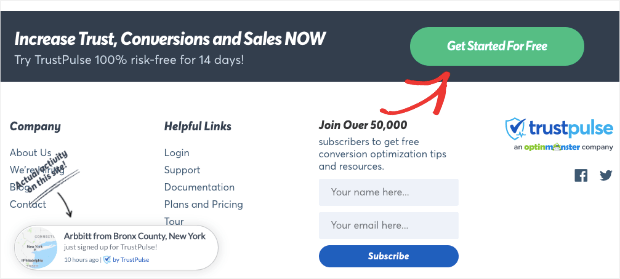
As a call-to-action (CTA) full of persuasion, “Get Started for Free” is suitable for a wide range of websites, such as SaaS, online learning, and e-commerce sites, that primarily operate through sign-ups or trial offers. The CTA invites the user to try the service at no cost, thus lowering the user’s resistance and increasing the number of trials and conversions. Free-trial CTAs are based on consumer psychology, for instance, the endowment effect, which means consumers value a product more after they have experienced it.
The CTA “Get Started for Free” is visible on the homepages, product pages, and registration forms to maximize impact. SaaS providers feature it on the homepage and in promotional banners; online education sites use it in course descriptions and sign-up pages; e-commerce sites use it during promotions and product launches. Mobile apps feature CTAs that lead users to premium content through their features in an easy and quick manner. Different groups of users help to find the best place and meaning of the message through A/B testing; thus, conversion rates get higher.
The “Get Started for Free” button is visually very attractive and it is written in a strong and bright color to make sure that the message is clear to everyone. It is placed above the fold, in pop-ups, or near the areas of significant engagement, thus leading to a high number of clicks. To draw attention, some interactive elements, such as cursor effects and gentle animations, are used to make users feel comfortable, and the button is highly convertible. User-targeted commands like “Start Your Free 7-Day Trial” or “Try for Free—No Credit Card Required” are more efficient because they better address user needs. Performance measurement instruments like heatmaps, Click-Through Rate (CTR) dashboards, and session recordings greatly contribute to the enhancement of user interaction when those tools allow the redesign of CTAs based on the data.
2. Claim Your Discount Now
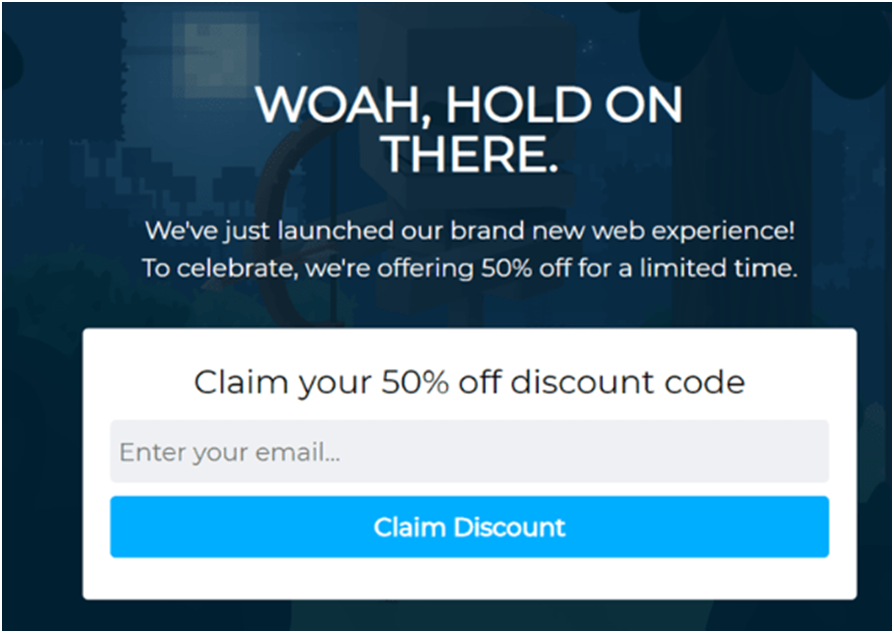
“Claim Your Discount Now” is a tremendously influential Call-to-Action (CTA) that fits best for those cases when the offer is only available for a short time, hence covering such events as sales, product launches, and clearance activities. Through the avoidance of the immediate money-saving benefit, the CTA acts as a medium of instant reaction, and thus the conversion rates get escalated. What it essentially does is to bring together FOMO and loss aversion, so the users become the ones who are going to take the action before the expiration of the offer. Hence, the limited-time discount can be made more attractive by using the loyalty program benefits or a countdown timer in the effective CTA.
Pair “Claim Your Discount Now” with content from your email campaign, social media ad, or landing page. The primary use of email marketing is the instant promotion, through which the landing pages direct the attention towards the short-time deals deliberately. Meanwhile, social media advertisements are super effective in quickly grabbing the attention and guiding the audience towards the promotions. To ensure a comfortable checkout, e-commerce platforms effectively utilize this CTA by either discount codes or automatic coupon application. However, dynamic paid search ads with CTAs like “Claim Your 20% Off—Today Only!” effectively encourage users to take immediate action. pulls in high-intent buyers.
“Claim Your Discount Now” basically combines urgency and personalization. The term “Claim” is the prompt to action; “Your Discount” gives the impression of an exclusive offer, and “Now” is emphatically reiterating the urgency for the user to take action.
3. Download Your Free Guide
The call-to-action “Download Your Free Guide” lures the visitors by handing over the valuable content for free and is the perfect solution for encouraging users to take a specific action in lead generation. It is deliberately placed in the most prominent positions of a website, like landing pages, after the intro sections where people normally expect to find more resources. Placing it within the blogs, either in posts or articles, allows the users to be active in reading the content. The CTA is also present in sign-up pages where users are invited to provide their email-id in exchange for the access.
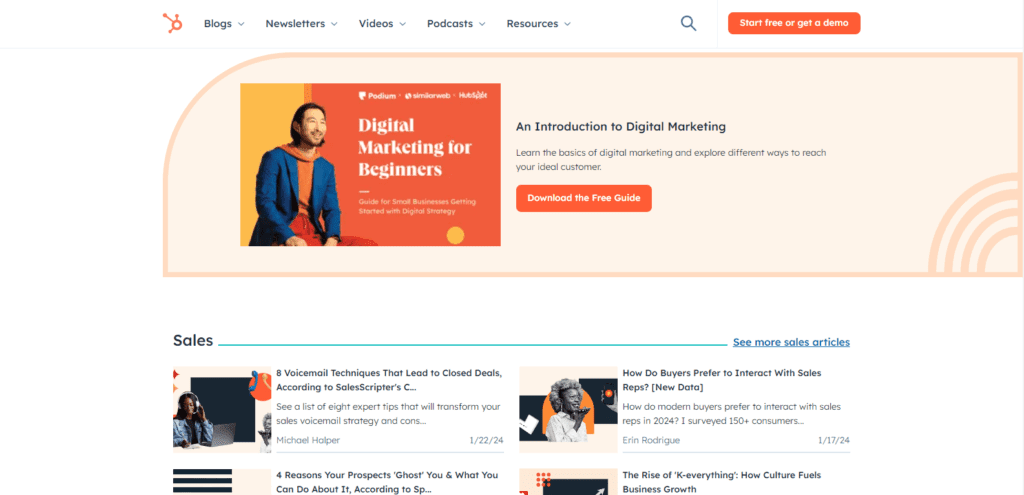
There are various ways of presenting the CTA but mostly buttons are chosen to carry out the CTA, that use contrasting colors such as blue or green to be more visible against the neutral background. Another option is links, which are quite handy in blending with blog posts and service descriptions for instant accessibility.
The main goal behind the phrase “Download Your Free Guide” is to move the user to an action. “Download” conveys that the user will get the content immediately; “Your” personalizes the offer; and “Free Guide” makes sure that the user is not going to be charged, thereby adding to the value and urgency.
Excellent visibility is ensured by the strategically most suitable spots to put it. Along with pop-ups and fold-offs, it also comes in the form of slide-ins and during major events. The idea is to catch people’s attention and not to interrupt their experience. Good CTA works as a harmonious unit between its appearance and work. On the other hand, the proper size of the button for different devices (44 × 44 px) secures the button’s functionality. An adequately placed CTA engages more users and results in more conversions.
4. Join Our Community Today
One of the methods of motivating people to interact with online forums, social networks, online courses, and subscription services is the “Join Our Community Today” Call-to-Action (CTA). The membership pages and promotional banners are the locations where the CTA appears and is accompanied by the email campaigns inviting users to become a part of a community or an exclusive network.
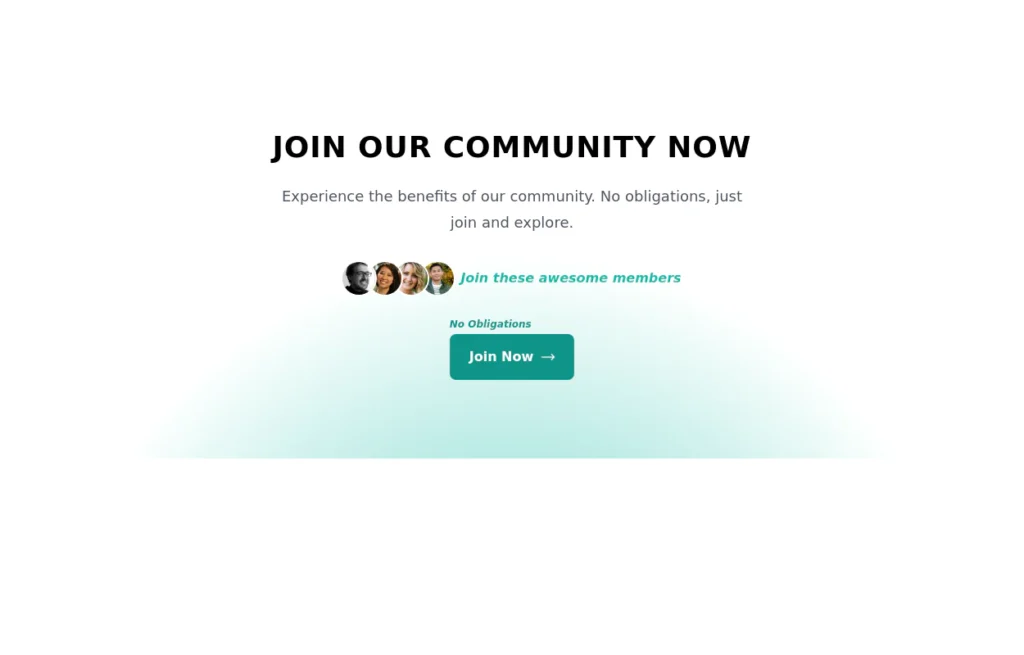
“Join Our Community Today” is a message that you can see in the pop-ups or on the buttons and hyperlinks. Of the three communicating means, buttons are the most efficient because of their visual attractiveness and easy interaction. Hyperlinks, as an integral part of text, are practically invisible, thus creating a fluent experience, and pop-ups attract people’s attention as they show up at the moment of particular actions, for example, when a user is about to leave the website.
The term “Join Our Community Today” is a friendly and convincing one. “Join” is a word that means being included; “Our” is a loyal connector, and “Today” is a word that signifies the immediacy of action without any force; the users are stimulated to act right away. Good design is the rule that determines whether the CTA will be noticed or not and whether the viewer will be willing to act upon it.
5. Reserve Your Seat Before It’s Too Late
“Reserve Your Seat Before It’s Too Late” is, by far, one of the most persuasive Call-to-Action (CTA) buttons ever created. It communicates a sense of urgency by stressing that only a few seats or spots are left. The CTA is great for event sign-ups, exclusive classes, and special offerings, and hence, by FOMO, it encourages fast action of the target audience. The CTA “Reserve Your Seat Before It’s Too Late” is found on event pages, travel booking platforms, email campaigns, and course landing pages. It informs users of coming workshops to be attended, discounted trips to be booked, or limited-availability courses to be enrolled in.
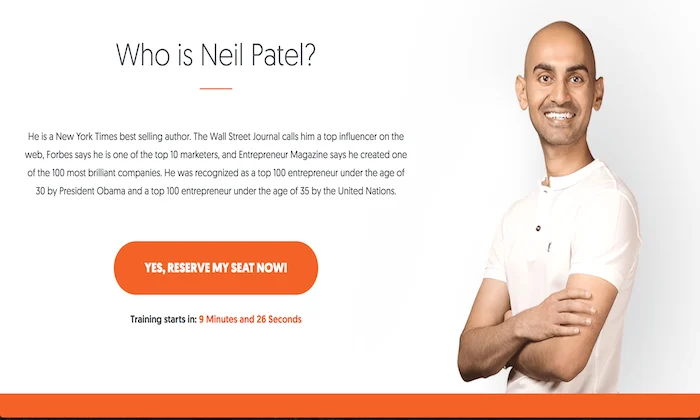
The CTA functions as a button or hyperlink. Buttons grab the user’s eye and invite immediate action, whereas hyperlinks allow the page to present more content and hence follow a subtle path. The statement “Reserve Your Seat Before It’s Too Late” is straightforward and an urgent one. “Reserve Your Seat” alone is enough to communicate the action, but “Before It’s Too Late” is what really makes the target audience feel they should take action right away.
Moreover, the good work done by the effectiveness of the CTA layout is also a significant factor in the results an action campaign can come up with. A button, or generally an icon, can come with a shape (round or rectangular) and color (bright red or orange) and a font (large and clear), and you can be sure that it will stand out wherever it is placed. Fitting in the small phrases of “Limited Spots Available!” with the rest of the words is like pushing the engagement ceiling even higher and making the visitor decide with hardly any doubt that immediate action is needed.
6. Claim Your Offer
 It is an excellent Call-to-Action (CTA) to provoke the users’ interest, which is then transformed into an honest exploration of the provided product or service further. The conversion potential of the Call-to-Action for complicated or innovative products, with which a user has to become familiar before they can make a decision, is enormous. By exhibiting the product’s value, it turns the user’s curiosity into the right choice-making, and it is mainly utilized in software, subscription services, and new tech sectors.
Good design is the key to the success of the effective CTA and can significantly influence the user’s decision to act. Inspiring colors, correct layout, and reasonable dimensions make the button an eye-catching element that does not overload the whole page. The button with clear and brief wording directly communicating the aim is the main component that makes “Claim Your Offer” a potent tool for the uplift of the visitors’ involvement and conversions.
7. Subscribe for Exclusive Updates
The “Subscribe for Exclusive Updates” CTA is an effective weapon to gain the attention of the online public, and it can be used in different areas such as e-commerce, blogging, and service-giving websites. Through this CTA, the advertiser can easily communicate the sales events to the consumer, while the consumer can be educated with new content and keep themself updated with industry news or other special offerings. The CTA’s extensibility is what makes it a perfect tool for the creation of solid customer connections.
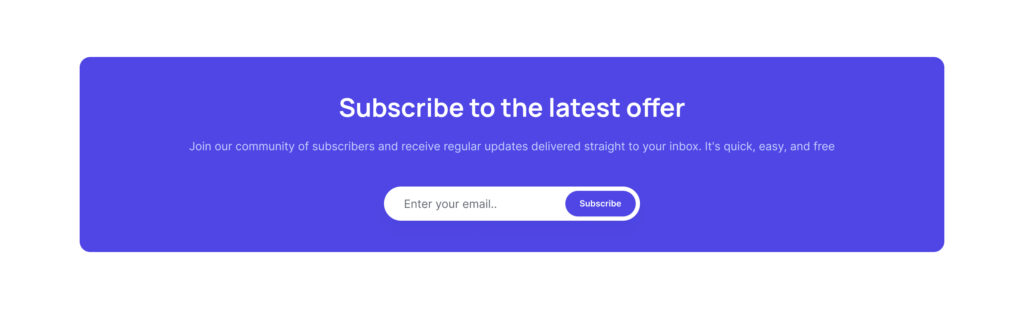
By its nature, the “Subscribe for Exclusive Updates” CTA is mainly located in those parts of a site where visitors or users can easily notice it. The home page banners serve to quickly and directly catch the visitor’s eyes, while the blog sidebars keep the CTA handy for the readers who are actively engaging with content. Footers offer an ultimate chance for subscription before the visitor leaves the site. Coming after blog posts and being placed within pop-ups and slide-ins, it practically forces readers to take action.
The quality of a CTA’s design can have a significant impact on its performance. The visual appearance of a button with vivid color, large letters, and rounded edges is beautiful, and thus, the button gains more clicks. A hyperlink is a tool that works functionally, but a button is more engaging. The presence of a line such as “Join thousands of subscribers for exclusive updates,” encouraging the reader to become a subscriber and thus giving a reason for the CTA to exist, helps build trust.
8. Get Matched With The Best
“Get Matched With The Best” is an excellent call-to-action phrase for websites that offer personalized experiences, such as social networking, e-commerce, and professional networking platforms. The CTA “Get Matched With The Best” is designed to be very prominent in a user’s digital journey, with the goal of it easily catching the user’s eye. A dating platform, for instance, puts it in the middle of the homepage, while a retail website uses it for personalized product recommendations, and a job search platform links the user with potential employers. Interactive quiz sites incorporate the CTA to facilitate user participation and then deliver customized results.
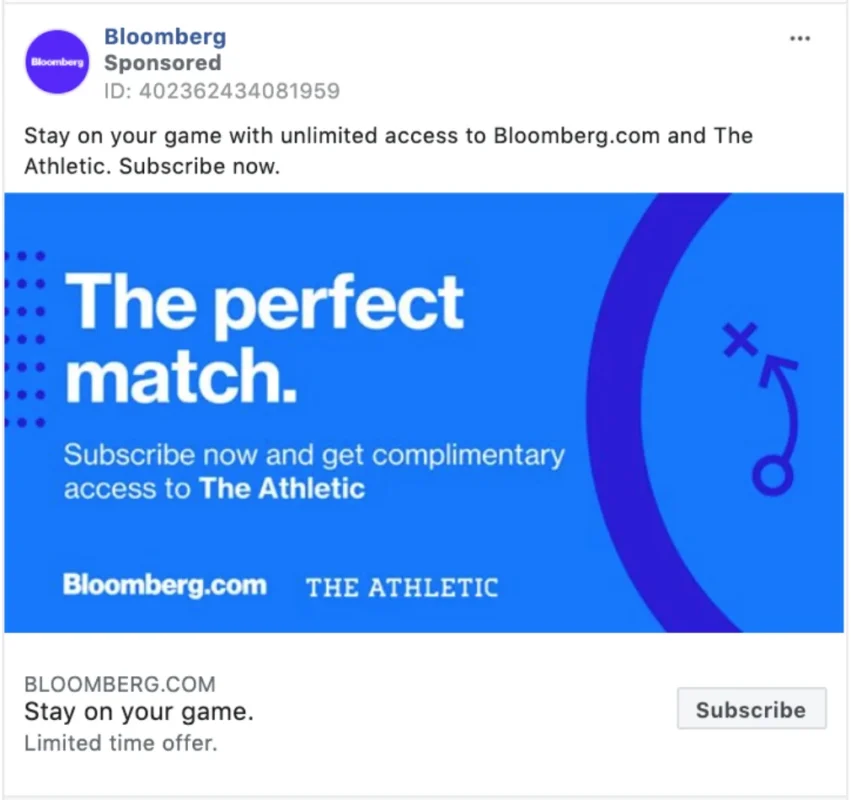
Typically, “Find Your Perfect Match” is presented as an easily clickable button or a pop-up that can be quickly closed. It is a brief, attractive, and essential feature highlighting the aspect of the user being the center of the service. The words “Perfect Match” are very appealing to the user, while the word “Find” arouses a person’s curiosity. Thus, users’ interaction with the website is significantly driven by the combination.
Strategic placement directly influences the amount of interaction that is possible. The CTA is found in places with the highest visibility, such as in the main sections, on the landing pages, or at the end of a quiz, which then directs the users to the following step and hence, boosts the rates of conversion. Good design helps a lot in attracting and holding a reader’s eye. Putting prominent, bright colors and easy-to-read fonts makes the CTA the center of attraction. The addition of the words “Start Now!” creates even more eagerness for the visitors. In this case, the visitor is very likely to take action right away.
9. The First Step To Your Journey
The CTA, “The First Step To Your Journey,” is a powerful tool that nonprofits, educational websites, and self-improvement programs use to encourage onboarding. The CTA promotes the feeling of inclusion in the community and takes the user by the hand to guide them to take a specific action in their engagement. Strategic positioning implies that the CTA will be seen by as many people as possible. The “The First Step To Your Journey” button can be found on the main page banner, at the top of the landing page, in the email messages, or even in the ads on social media, effectively prompting users to take action. Besides that, if you place it next to the testimonials or other relevant content, it will be in harmony with the user’s interest and will have better results in engagement.
“The First Step To Your Journey” is a clickable button that is meant to attract attention and direct users to the subsequent operation. Buttons are likely to get more views and, hence, more interactions than hyperlinks. The sentence is straightforward, and at the same time, it opens the door. “The First Step To Your Journey” implies that it is not difficult to get started, and “Here” is just a friendly way of saying, “come in.
Good work is done when all the elements of effective design come together to maximize the impact of a CTA. It is a must for a CTA “Start Your Journey Here” to be in bright and warm colors like green or orange, contrasting with a simple background. Proper white space enhances the readability of the text, while a neat font that is easy to read and is not too formal or too casual strikes just the right balance between professionalism and approachability. The bigger the button, the more precise its visual focus, and that is why it creates a significant effect on the CTA, which is almost impossible to overlook.
10. Unlock Premium Features
“Unlock Premium Features” is a very good call to action button for sites that have tiered services and may eventually add paid upgrades. Generally, it is found on software tools, subscription-based websites, mobile apps, e-learning sites, media streaming, and online gaming services. The CTA enables users to upgrade to the new level with the added advantage of increased work efficiency, exclusive content, advanced courses, etc.
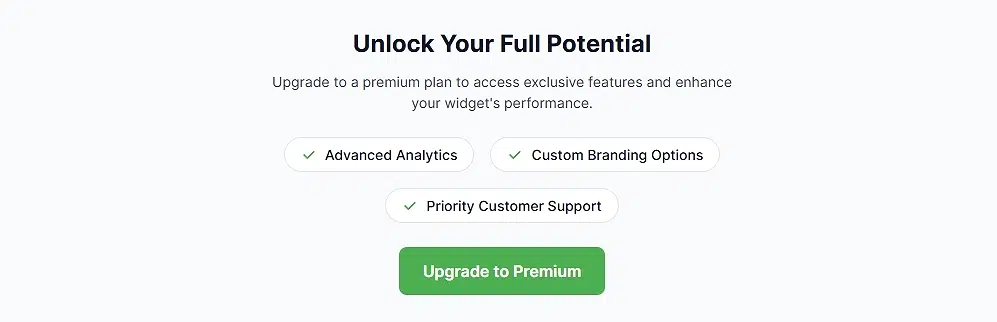
For the most visibility, “Unlock Premium Features” is carefully planned out; it can be seen above the fold, close to product descriptions, or after the engaging content like tutorials and blog posts. These placements, therefore, make sure that the CTA gets recognition at the moment of decision-making.
The “Unlock Premium Features” button is crafted to be very noticeable. It has a clear and clickable interface. On the other hand, mobile apps employ CTA buttons, which are very simple, whereas websites utilize hyperlinks that merge with the text. Nevertheless, buttons turn out to be the most favorite and efficient form, with interactive features such as cursor effects, which make users more involved, and the clicking rate increases.
Conclusion
Before you create or edit your CTAs, review the call-to-action samples that have been explained in this article. Remember to try out different formats and styles to see which works best for your audience, and keep testing and tweaking your approach to stay ahead.
In fact, if your CTAs or calls-to-action are proper and clear enough, they might be the means to achieving the goal of raising your conversion rates and thus the income of your business.

Vijay Sood is a seasoned digital marketer with a passion for driving online growth and innovation. With a robust background in developing and executing comprehensive digital strategies, Vijay excels in leveraging SEO, content marketing, and social media to boost brand visibility and engagement. His expertise lies in transforming data-driven insights into actionable marketing campaigns, helping businesses achieve their digital objectives.