
Imagine if you could boost your average order value and repeat purchases without making your shoppers exert any more effort. Today, ecommerce merchants are no longer sticking to static, one-size-fits-all product pages that simply echo blankly back at site visitors. Utilizing AI-based product recommendation technology is the new standard for turning invasive browsing cues into delightful, targeted shopping experiences.
You remove these barriers for your users by presenting the appropriate set of product recommendations at the right time. While doing so, you will also reap the rewards of unlimited revenue. Discover how AI product suggestions accelerate e-commerce metrics by matching a visitor’s purpose with corresponding stock contents in the course of time.
Why Modern AI Product Recommendations Matter
You might have great product catalog for online shopping but what use is it if no one can see it? Regular old flavor of tagging won’t scale. This is the strength of AI product recommendations you can automate each customer with no pre-defined rules.
The Core Benefits for Ecommerce Brands
Once one understands what specific benefits AI product recommendations offer, it’s clear to see why this is such a valuable tool.
- Larger Basket Sizes: Grow your sales by showing off our customizable product packages right on your cart pages.
- Convenient browsing: Advanced algorithms help shoppers discover what they are really looking for within fewer clicks.
- Better retention: Personalized product recommendations will win loyalty in the future by showing how you understand every customer’s needs.
When you leverage AI to optimize product recommendations your storefront upgrades from the stagnant grid pages to a live, personalized shopping partner. Ultimately, AI product recommendations adds sustainable growth revenue by enabling seamless digital journeys.
How an AI Recommendation System Works Under the Hood
In order to understand the functioning of AI product recommendations, the easiest way is to understand the machine learning models on which the data gathered from your store. A good product recommendation engine takes into account both implicit and explicit signals.
The majority of AI-based product recommendation engines use one of three basic filtering techniques to filter their product data:
- Content-Based Filtering: Sets apart the different items, each with its own distinctive features like category, material, and features of the item encountered within your product descriptions. The engine segregates the product data and then goes on to recommend those items that have high baseline similarity to the previously found items.
- Collaborative Filtering: Focus on the past behaviors of all your customers. Your recommendation system compares customers’ purchasing behaviors to each other. If a certain group of buyers bought a certain shoe, you would recommend the same shoe to a new customer who browses the site in the same way.
- Hybrid Filtering Systems: A hybrid recommendation system leverages the benefits of both. A hybrid recommendation system leverages user behavior information together with rich catalog product data to solve structural blind spots such as the ‘cold start’ problem for brand-new arrivals.
Step-by-Step Architecture to Personalize Product Recommendations
Designing an advanced AI recommendation system implementation should take a methodical approach to make sure your data pipelines and user touch points connect seamlessly.
Step 1: Centralize Your Product Information and Catalog Data
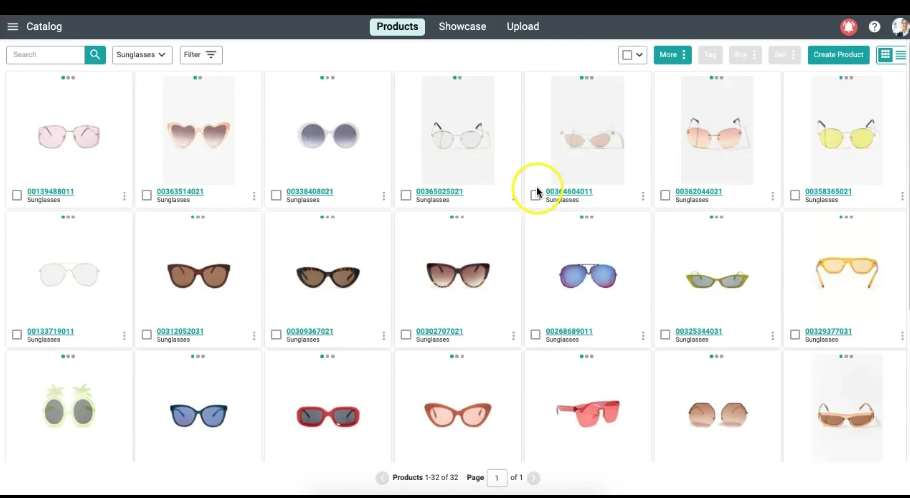
The performance of any AI solution is only as good as the quality of the inputs. You are responsible for auditing your core catalog data and making sure product data, tags, and product attributes are thoroughly defined and consistent. If your backend data quality is poor, you will end up delivering meaningless product recommendations to shoppers.
Step 2: Select Your Core Technology Stack

Assess bespoke AI solutions and cloud-scale platforms such as Google Cloud Vertex AI to energize your models. The key to selecting an appropriate AI product for recommendation, indeed any AI product selection, lies primarily in your total traffic and transactional history. Select a recommendation engine optimized for enterprise that scales efficiently and quickly to operate with huge data sets with ultra-low latency in live customer scenarios.
Step 3: Implement Strategic Placements Across the User Journey

Instead of just showing the same old product recommendations across your shop you can smartly configure how you present recommendations on a few high-intent locations in the page.
- On Product Pages: Add a “complete the look” or “similar products” teaser when purchase intent is high.
- On the Cart and Checkout Pages: Install an AI-driven product recommendation block to display low-friction accessories right before you reach the checkout page to see AOV climb rapidly.
- Post-Purchase Workflows: Populate recommendation slots on transactional emails and behavioral marketing email streams to foster fast repurchases.
Step 4: Refine the Algorithm for Real-Time Precision

To be right, a good product strategy has to be sustainable; your recommendations can’t get outdated. Today, predictive systems are using continuous learning to fine-tune their accurate recommendations in real-time to align with evolving consumer trends: an AI knows where a buyer is drifting, as she browses your site, in a matter of seconds, from scroller to hyper-contextual.
Tracking Performance and Fine-Tuning the Engine
To ensure your engine is providing a complete return on your investment, track a variety of KPIs as represented in your store analytics dashboard. Here are the essential measures and strategies to consider for optimizing your engine:
- Monitor CTR of Recommendations (product & cart pages): Measure the percentage of shoppers who clicked on individual recommendation blocks for each product and cart page.
- Adjust or Overrule Filtering over the Content-Based Matching Collaborative History Balance: Moving more towards content-based matching on categories with low conversion rates may be desirable.
- Test Your Layout Often: Test the placement of your product images and banners, and even for your widget, time after time to determine what leads to the highest purchase intention.
- Analyze Product Data: Maintain high-quality tags and product descriptions. This allows the algorithms feeding into your ML products to work efficiently with good quality data.
Conclusion
In order to consistently provide very personalized product recommendations on a large scale, your merchandising team needs to work hand-in-hand with your automation and AI solutions. While pure AI systems excel at spotting patterns, merchandising input is critical to remain on target with your seasonal objectives and brand identity.
Don’t build an echo chamber where your system recommends only a limited set of the best product variants. Instead, have the AI-powered recommendation engine keep a healthy, balanced portfolio of varied recommendations along with your upsell items. Harnessing an AI product framework that gets better with each click allows your e-commerce business to passively recommend the perfect products to your customers at the right time.

Vijay Sood is a seasoned digital marketer with a passion for driving online growth and innovation. With a robust background in developing and executing comprehensive digital strategies, Vijay excels in leveraging SEO, content marketing, and social media to boost brand visibility and engagement. His expertise lies in transforming data-driven insights into actionable marketing campaigns, helping businesses achieve their digital objectives.