Traditional social media monitoring tells you what is happening by counting clicks and tags, but it rarely explains why your audience behaves the way they do. When brands rely on manual keyword tracking, they quickly find themselves lost in a flood of social media conversations, unable to see the big picture. That’s where modern social listening revolutionizes the way you approach online conversations by turning up the intelligence, not just the noise.
As sophisticated as managing millions of data points with artificial intelligence requires the power of Internet-scale technology to detect subtle patterns and insights, while simultaneously capturing the big picture, measuring share of voice, and untangling unstructured data. Read on to learn how an AI social media listening approach makes this possible.
Processing Large Volumes of Social Media Data via NLP
The biggest barrier to good marketing intelligence is also the most obvious one: human beings simply cannot read, dissect, and understand millions of bits of text flowing through social and digital channels on a daily basis. Sophisticated algorithms utilize machine learning to analyze unstructured data at scale, recognizing customer intent, picking up on industry-specific language and concepts, and putting conversations in broad thematic buckets without having to match to the exact keywords themselves.
Instead of flagging the phrase “slick performance” and “slick interface” separately, using the AI-powered natural language processing, the software comprehends the nuance that you’ll love your smooth scoring system but hate having a user-unfriendly interface. Those are just two ways the platform automates those painful bulk data-cleaning tasks and delivers clean business intelligence without the need for human input, like a manual sorting process.
How to Extract Actionable Insights Step-by-Step
It takes a well-defined, repeatable data process to turn large amounts of public dialog into actionable intelligence using a social listening platform. Here’s a step-by-step method to turning unstructured public chatter into strategic corporate decision-making using AI social listening tools for authentic, real-time advantage and to uncover insights about your target audience.
1. Consolidate Cross-Platform Streams
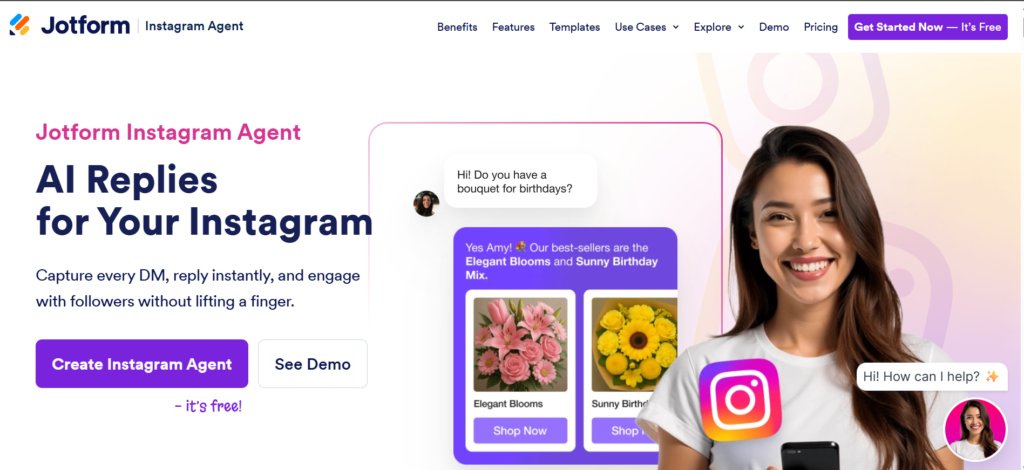
Connect your AI listening tools to scrape all major public social networks, web forum sites, and video platform data points at the same time, and thus gather a single data repository for your influencer marketing strategy. Gathering this comprehensive listening data allows enterprise software to index raw social conversation threads.
2. Execute Text and Visual Processing
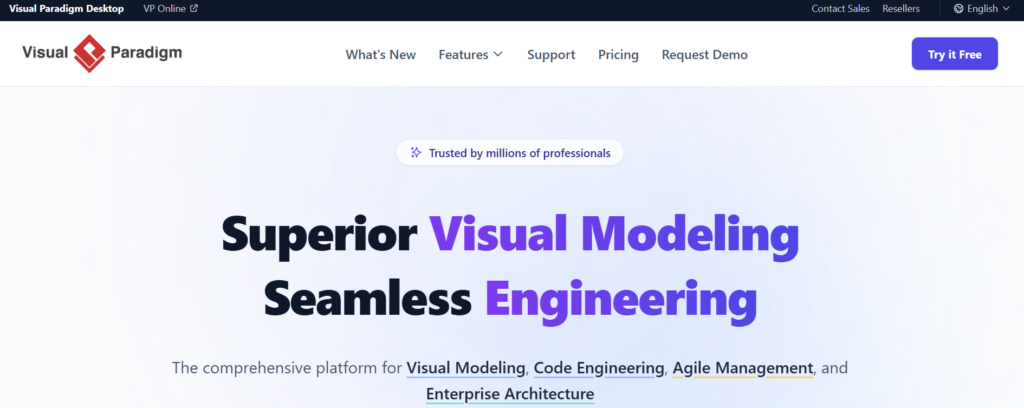
Use the unified NLP and visual AI engines to pre-process incoming assets to filter bot spam, convert multiple language documents, and detect logo graphics embedded into images and video frames across social platforms. Demonstrates how effective visual listening agents can be at auto-detecting logo elements in images without explicit text tags across major social outlets.
3. Analyze Contextual Sentiment

Run your lingering data through automated emotional classifiers, which will each assign a positive, negative, or neutral score to individual brand mention groups in the data set based on the surrounding context of those mentions. Running a scaled sentiment analysis using AI-driven tools will help safeguard the larger picture of your brand reputation against negative developments.
4. Benchmark Total Share of Voice
Compare your social performance to your top competitors by tracking your current share of voice and tracking how macro conversation has shifted within your audience. Leverage an up-to-date tool or a Sprout Social listening platform feature, for example, to compare your social performance and track share of voice.
5. Route Actionable Intelligence to Teams
Push detailed reports into internal CRMs, campaign roadmaps, and marketing workflows, enabling teams to address validated consumer needs in real time. A full-service digital marketing agency can help turn these findings into coordinated SEO, paid-media, social-media, and lead-generation initiatives. This execution example shows an AI-assisted reporting framework which sorts and optimizes sources flowing across social.
Common Pitfalls to Avoid in Social Listening
The following are some of the most critical misstep’s brands make when translating unstructured public data into corporate strategy:
- Reacting blindly to sarcasm: Blindly relying solely on basic automated tools without asking human moderation can skew your tracking, since commonly used algorithms rarely catch irony, obscure regional idioms, or sarcasm as praise. Some advanced AI models and AI-dedicated tools will make it easier to use artificial intelligence, but human moderation will still be needed for optimal results.
- Over-Indexing of vocal minorities: Committing platform bias by modifying your entire product roadmap to reflect a sudden vote spike on that platform can alienate your silent and loyal constituency who never post on that platform. This trap exemplifies why AI helps contextually weigh feedback across disparate social channels.
- Gathering information without action: Building mountains of good social data without creating defined internal routing loops results in analysis paralysis; you’ll watch good consumer feedback die unread on the dashboards. Your social media listening engines should be integrated with operating procedures so you can monitor your brand conversations effectively.
- Crossing over the Public Privacy Line: Collection of locked profiles, private community groups, or private messaging threads will result in consumer mistrust and incur heavy international compliance fines, ultimately affecting brand health.
Conclusion
Adopting an AI-powered social media listening platform totally revolutionizes the way today’s companies maintain control of their public face. Automating layers of data capture, logo recognition, and sentiment analysis allows your marketing team the space in their minds to nurture meaningful connections with customers. The future of brand management goes to those who use AI to stay abreast of demands from worldwide consumers.

Vijay Sood is a seasoned digital marketer with a passion for driving online growth and innovation. With a robust background in developing and executing comprehensive digital strategies, Vijay excels in leveraging SEO, content marketing, and social media to boost brand visibility and engagement. His expertise lies in transforming data-driven insights into actionable marketing campaigns, helping businesses achieve their digital objectives.