Trying to target highly specific niches in traditional ways, i.e., via basic demographic data like age, gender, and location, only skims the surface of many modern buyers. Using generalized demographic data means your marketing messages are less targeted and are essentially communicating as if all of your followers in this demographic set are exactly the same person. When you aren’t using effective AI customer segmentation tools to create personal customer experiences for your leads and prospects, that all becomes paid wasted money.
Advanced AI can automate this by taking a human approach to dynamic predictions. Read on to understand how you can use a predictive personalization engine to build laser-focused segments that automatically evolve.
How Behavioral Data Opens Up Niches
The power of advanced customer segmentation is in how you go from data to identifying trends. Behavioral insights, based on actual activity across platforms and properties, give a more definitive forecast of customer intentions than generic age-based buckets do. By processing such signals as a unified whole, this audience segmentation tool can reveal segments that aren’t based on surface-level data.
- High-Intent Research Loop Analysis: Members in this audience segment frequently research and analyze information by visiting and reviewing key product pages or by exploring relevant short-form instructional video content within a close timeframe.
- Active Consideration Pattern identification: Here, we specifically monitor accounts that are highly engaged with information related to comparing features, consumer reviews, and even engaging in community-created threads regarding particular products or services.
- Cart and Conversion Abandonment Analysis: The ability to flag high-value customers based on those who have frequently added products to carts, and have engaged with deep-dive tech reports/spec sheets but haven’t yet made a purchase, allows these segments the right kind of nudge.
Targeted campaigns and content optimization occur much faster and with more precision by relying solely on behavioral indicators, rather than waiting on a manual review and data scrub, with AI automatically categorizing everything in real time.
Businesses that need help translating these behavioral insights into acquisition campaigns can work with an AI performance marketing agency to connect audience segmentation with paid media, content, conversion tracking, and ongoing optimisation.
Technical Architecture of a Predictive Personalization Engine
Designing a fully automated AI-powered customer segmentation pipeline involves integrating your data platform with publishing and marketing systems. Here is a step-by-step process to follow for effective segmentation strategies.
1. Consolidate Customer Data Platforms
Integrate your one or more central Customer Data Platforms (CDPs) or customer relationship management systems so you can collect a real-time data stream of touchpoints into your website, app, and key social platforms.
2. Deploy AI Clustering Models
Use a machine learning platform to mind-meld your data. Use a cluster tool (like K-means) to divide your customer base by “closeness of interactions”, “conversion rate of interactions” and “customer lifetime value”.
3. Execute Real-Time Inference
Bring your trained AI models to the cloud infrastructure and use it to understand the current context of users and automatically change the segment membership of a customer as per their changing online browsing behavior.
4. Map Custom Ad Audiences
Publish your dynamically updated segments to the most popular social networks. Provide these highly precise custom audience lists to ad networks and create very accurate lookalikes.
5. Run Content Quality Review
Channel the AI-driven prioritized campaigns via a final human editorial process. Strike a balance between the micro-targeted messaging, the technological perfection of AI tools, the cultural authenticity, and the integrity of the brand.
Personalizing Dynamic Ad Campaigns for High-Value Subgroups
Once your automated system takes out your important audience groups, you can leverage AI-driven segmentation to get rid of fixed, manual segmentation. Here are the fundamental approaches to leverage high conversions with on-the-fly creative adjustments:
- Platform-Specific Asset Rotation: Sophisticated AI technology analyzes the network behavior, applying your bespoke segment guidelines, and then distributes long-form premium updates on LinkedIn while concurrently automatically delivering explosive short-form video to Instagram or TikTok.
- Algorithmic Lookalike Modeling: Using the top-performing micro-segments as a seed audience enables platform-level AI targeting to run compliant customer segmentation data and discover new global prospects with the same buying behaviors.
- Changing Value Proposition Matching: The system instantly compares a customer’s profile, switching your primary ad copy backward and forward among performance, green, or cost-driven messages depending on the previous results that induce a click.
- A platform that offers automated multivariate layout testing: Machine learning engines roll out hundreds of subtle visual and textual permutations at once to small representative groups of users and instantly scale up the highest-performing variations across the full target population.
- Behavioral Re-Engagement Adjustments: If an active user leaves a cart or drops out of a high-intent research loop, active social feeds are updated with copy variants that speak in an urgent context to anticipated questions or reasons for concern.
Balancing Scale with Critical Operational Safeguards
As great as AI segmentation is, there’s a limit to the usefulness, and too much segmentation can lead to disjointed data, disjointed messaging, and duplicated creative efforts. To maintain a single brand voice with the right foundation for a scalable campaign lifespan, content teams can follow the following key implementation guardrails:
1. Guard Audience Authenticity and Trust

Leverage AI to reveal unseen customer segments and drive optimization but have human strategists take the reins on your primary creative direction. Anything delivering hyper-targeted messaging should not come across as intrusive or mechanical; you want conversational and human.
2. Prioritize Data Quality Over Sheer Complexity
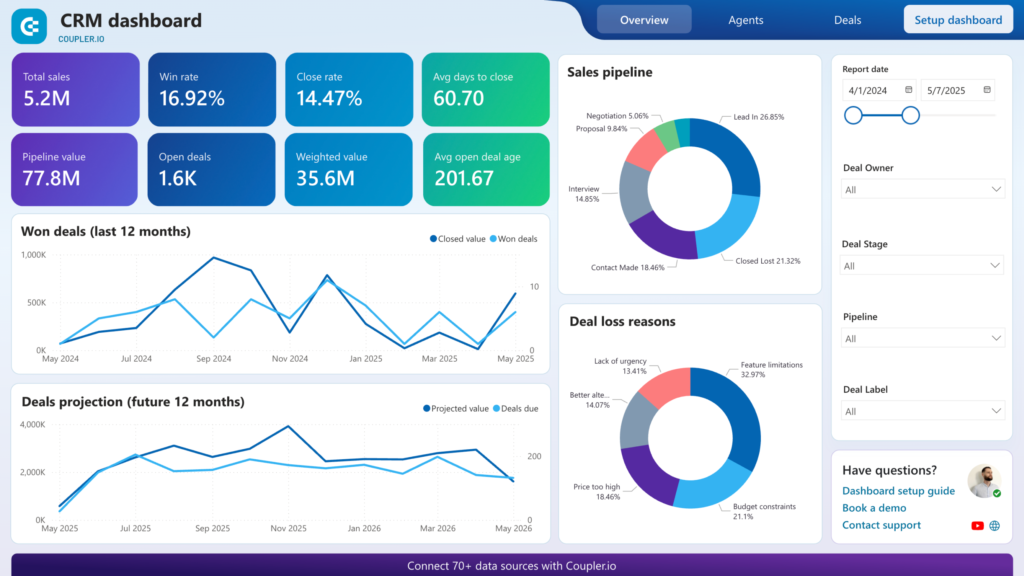
No matter how good a predictive modeling loop is, it’s only as good as its inputs. Keep your CRM systems nice and clean; they can only do so much and shouldn’t be training your machine learning models on incomplete data, especially when using AI tools.
3. Maintain Strict Privacy Compliance
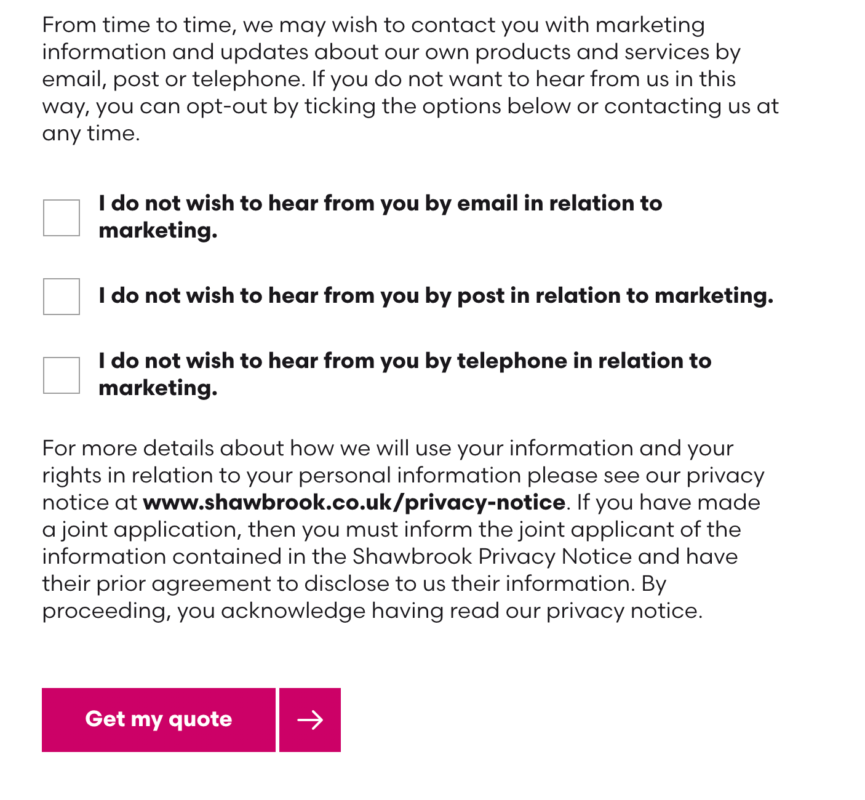
Be completely compliant with global standards, including GDPR and CCPA. Obtain consent, freely given for each and every one of your events tags and provide an easy mechanism for users to opt out. Ensuring compliance will create huge amounts of customer confidence, and in turn, your brand perception and overall reputation, particularly when you have started to use AI tools.
4. Implement Regular Model Audits

Monitor your automated customer profiles for model drift once a month to verify that your targeting is still relevant. Since customer interests and digital trends change all the time, your internal models will also need to be retrained all the time.
5. Focus on High-Impact Clusters

Don’t micro-segment your customers into hundreds of tiny fragments that will consume your resources without giving you any return; instead, direct your efforts on a scalable handful of valuable clusters, which differ in their intent, to have a clear return on investment from your personalization.
Conclusion
The move to sophisticated AI-powered customer segmentation represents a radical break from the past when it comes to digital micro-targeted social campaigns. Replacing static profiles with contextually timely behavioral clusters and forward-looking modeling, retailers and brands can offer truly customized moments rather than burden internal creative teams.
The future of marketing starts when we harness the incredible potential of AI to lift cognitive load away from marketers, allowing them to focus on what is truly important, creating compelling, global brand platforms.

Vijay Sood is a seasoned digital marketer with a passion for driving online growth and innovation. With a robust background in developing and executing comprehensive digital strategies, Vijay excels in leveraging SEO, content marketing, and social media to boost brand visibility and engagement. His expertise lies in transforming data-driven insights into actionable marketing campaigns, helping businesses achieve their digital objectives.