
Ever since the invention of the printing press, advertising and marketing have changed over time; this is no different when it comes to today’s digital marketing era. From the initial “black hat” SEO strategies and spam emails to more advanced (and acceptable) social and content marketing, advertising techniques and methods have become increasingly complex.
Native Marketing is replacing third-party cookies as privacy concerns continue to grow. In this comprehensive guide, you are going to find out what native advertising is all about, how it works, where it works best and why it is effective. Brace yourself, for revealing the power of native ads for your organization is evident in their higher CTR compared to traditional ads!
What Is Native Advertising?
Native advertising involves a form of paid media in which advertisements blend seamlessly into the content and format of the platform on which they are placed. It combines organic experiences that don’t interrupt users with principles of paid placements. Whether it’s a well-curated life insurance infographic from your favorite industry journal or (again, in my case) a drool-worthy recipe seamlessly slotted into your favorite cooking website, ads turn themselves into natural extensions of whichever platform or medium they take residence on.
Today, native marketing is an essential part of brand awareness and must work with other main pillars in a marketing strategy.
Types of Native Ads
Articles
Native advertising through articles blends into editorial content and is often sponsored by brands, providing value while subtly promoting a product.
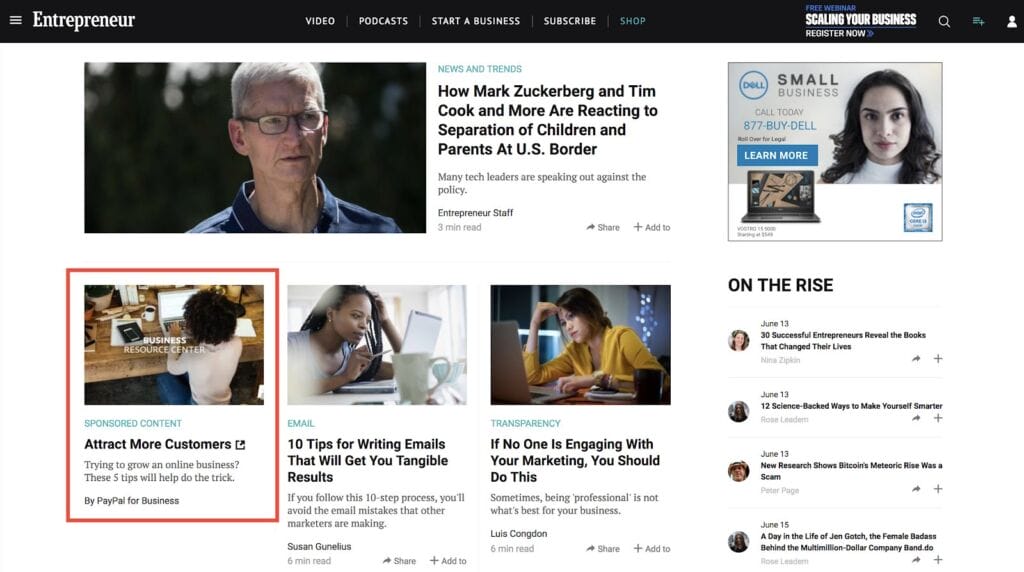
They are often seen as sponsored content that resonates with viewers. called “Sponsored” or “Partner Content” on news sites, magazines or blogs. Brands build trust and engagement while driving conversions by offering helpful content.
Videos
Video ads integrate into streaming platforms, websites, and social media feeds, providing educational or entertaining content while subtly promoting a brand. Unlike traditional video commercials, native video ads feel organic and shareable, much like examples of native advertising.

Platforms like YouTube, TikTok, and Instagram use native video content to reach audiences authentically without disrupting the experience.
Social Posts
Have you ever noticed an ad that looks like a post on Facebook or Instagram? It’s called a native ad, which is a form of sponsored content. They are basically posts that appear in your news feed, but they’re labeled as “sponsored” or “promoted.”
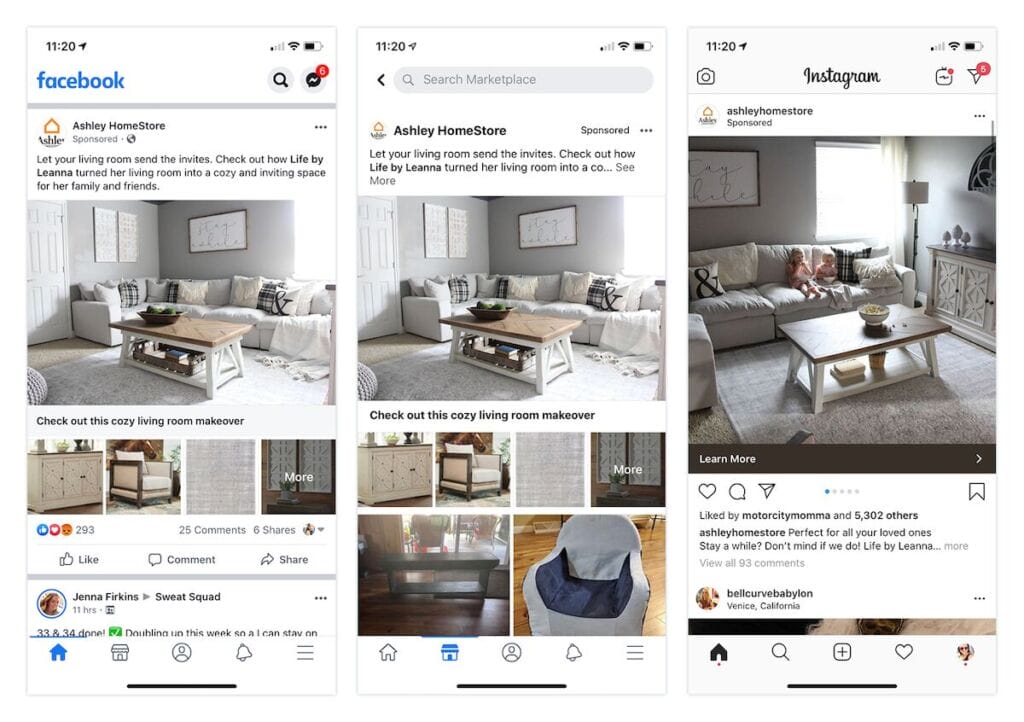
Also, consider the benefits of native advertising when planning your marketing strategy; they fit into the platform’s content style, so they don’t feel intrusive. Native ads on social media cause brand awareness, clicks and conversions in their approach to seamlessly integrate with user content; native advertising examples are increasingly popular. natural browsing experience.
Images
Image-based native ads integrate seamlessly with editorial content, social media or recommendation widgets using compelling visuals.
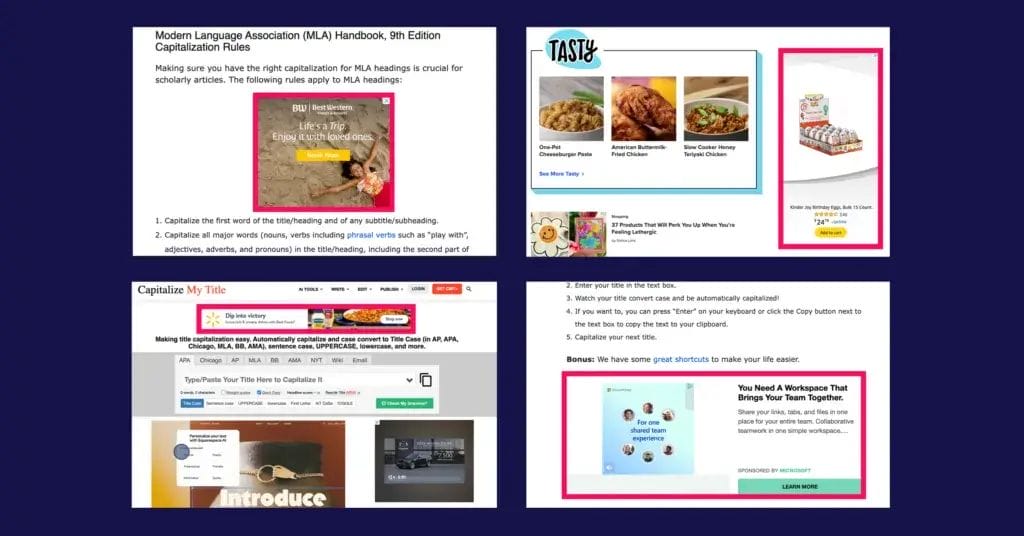
These ads usually come up on websites, blogs and apps to match their aesthetics and nudge people toward specific products or services. Interestingly, bold images and catchy headlines get attention without interrupting users’ experiences.
Why Native Advertising Is a Game Changer
Several features differentiate native advertising from other forms of digital marketing:
Seamless Integration with User Experience
Native digital ads do not disrupt user experience. Instead, they are incorporated into the content viewers are already consuming, making them feel like part of the experience, unlike banner ads. Consequently, this integration builds associations between a brand and positive experiences over time, showcasing the benefits of native advertising.
Native Ads Perform Better
A number of researchers have established that in terms of user engagement and click-through rates, native ads consistently outperform traditional banners. If an advertisement appears relevant to a user, they are more likely to engage with it.
Builds Trust And Brand Loyalty
Trust is fostered through value addition by native digital advertising, hence earning genuine trust. Instead of being a hard sell, brands become helpful and relevant, which earns them loyalty from their customers.
Better Storytelling Opportunities
Brilliant stories can be told using native formats where brands can come up with richer and deeper narratives. Through a sponsored blog post, an educational video or an interactive quiz, native ads allow companies to build stronger audience connections.
Advantages Of Native Advertising
Why do advertisers love native advertising? Because it works. Here are some of the benefits of the practice for marketers across different verticals:
Display Ads Don’t Work Well
Consumers look at native ads 53% more than display ads. There is an 18% increase in purchase intent due to the usage of native ads, while the visual engagement with them is similar or slightly higher compared to original editorial content.
Native Advertising Combats Ad Fatigue
Ad fatigue occurs when the public gets tired of looking at advertisements. After some time, they simply ignore them. Native ads are brand exposure disguised as editorials so that the audience does not become wearied by them. As long as it is relevant and engaging, native advertising captures the audience.
People Like Ads That are Relevant
Native ads are a type of advertisement, but people do not care! In a study conducted at Stanford University, researchers discovered that no one is fooled by native advertising. Even though consumers know they are being fed an advertisement in a native ad format, this still has a significant impact on purchasing behavior.
Native Advertising vs Traditional Advertising
Visual Differences
Traditional ads aim to stand out and may appear in banners or pop-ups separate from the main content, which interrupts user experience and distracts from what they’re reading, whereas native ads don’t have this issue.
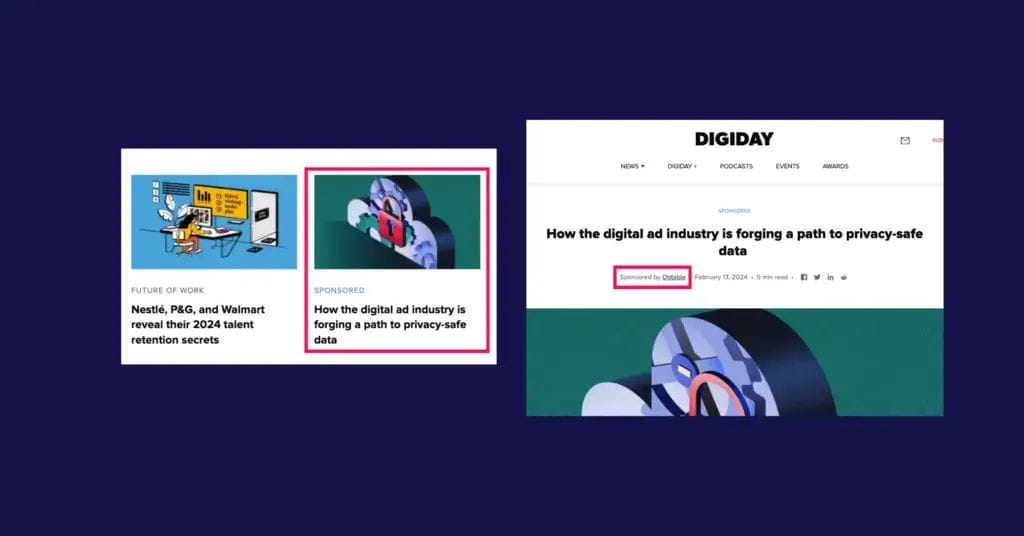
Contrarily, native ads try to blend in. They match the form of presentation found on the platform, hence making the experience smoother and less distracting. Native ads surpass traditional display ads when it comes to engagement, click-through rates and keeping users engaged with content for a longer time. People are more likely to click on them because they seem relevant and natural rather than forced or annoying. This results in better brand recall and increased conversions.
Differences in Consumer Perceptions
Modern customers tend to be more skeptical about conventional advertising, especially those that interrupt or take over their experience. This leads to ad fatigue and distrust. However, honest and transparent native ads do not suffer from these problems, highlighting the advantages of using native advertising.

Well-labeled and well-designed native ads are considered trustworthy, hence helping brands create stronger relationships with their audience.
Future of Native Advertising
As far as trends in advertising are concerned, it is logical to expect native advertising popularity to rise due to its efficiency in brand building and attracting the intended target audience. This growth in native marketing will be propelled by more acceptance from publishers, content providers and advertisers. Incognito native advertising will also likely fuel its growth.
More Advertisers Accepting
As advertisers learn more about the impact of native advertising and its ability to target desired consumers, they will begin exploring this innovative marketing tool and accepting it.
Increase in Publishers Accepting Native Advertising
The growth of native advertising will also be fueled by more publishers and websites accepting native advertising content. Although some publishers have been reluctant to embrace the concept of native advertising, its acceptance and effectiveness cannot be overlooked.
Advancement in Technology
Technology has changed the way we do traditional digital media marketing. People using blockers and a decrease in the use of third-party cookies are all driving up demand for native advertising, which is non-intrusive and highly focused. On top of that, there are advances in technology that enable native advertising to be created by artificial intelligence. Publishers today can help advertisers reach better-defined metrics are needed to evaluate the effectiveness of native ads. audiences than they could before.
A History of Improvement
As more people accept and use native ads, their track record will grow longer. This will allow all involved parties to move away from more invasive types of marketing.
Conclusion
Native advertising becomes even more critical as consumers get better at ignoring conventional advertisements. Advances in technology and data analytics will make it easier to target specific groups and personalize content, making native ads more valuable and impactful. Additionally, with new platforms and media formats coming up, there is an opportunity for brands to connect with their audience in new ways.
Therefore, it’s clear that native advertising is a technique that businesses have adopted recently. What makes native ads powerful and effective is the fact that they blend well with native ads and don’t disrupt the user experience. the customers care about primarily, and they result in less irritation. The future of digital marketing will involve more and more emphasis on native advertising as businesses seek more intimate engagements with their target markets.

Vijay Sood is a seasoned digital marketer with a passion for driving online growth and innovation. With a robust background in developing and executing comprehensive digital strategies, Vijay excels in leveraging SEO, content marketing, and social media to boost brand visibility and engagement. His expertise lies in transforming data-driven insights into actionable marketing campaigns, helping businesses achieve their digital objectives.

