Native advertising is one of the significant changes that have occurred in the digital marketing ecosystem. Digital marketers are increasingly finding it challenging to differentiate between ads and editorial content as native ads blend excellently with the latter and offer users an experience that is almost free from interruptions. With users becoming less responsive to “banner” ads through what is called “banner blindness,” brands are increasingly utilizing in-feed native ad formats now, with more emphasis on sponsored content, diverting much of their advertising budgets to native ads to increase customer-brand interactions and thus obtain sales.
As consumer behaviors keep changing and technology keeps evolving, it is necessary to seamlessly adapt to new trends. Be up-to-date with new trends in order to implement real-time adjustments and always build trust to be one step ahead of the competition. In this article, let’s explore the top native advertising trends marketers must watch out for in recent years!
What Is Native Advertising?
Native advertising refers to a paid media format that harmonizes perfectly with the place where it is presented. Unlike conventional ads, native ad formats resemble the publisher’s style, environment, and even the mood of the surrounding content, which makes native ad formats more appealing and less offensive. Instead of interrupting the user flow, native ads are there to support it by providing users with relevant and worthwhile content that users feel is original.
Why Native Advertising Is Necessary for Marketing That Covers the Full-Funnel
An effective full-funnel strategy motivates your target audience at every phase, from the very first stage of awareness to the last step of the buying process. It is an indispensable element of the system for the following reasons:
- Enhanced User Experience: By nature, native ads harmonize with the content around them, hence improving the user experience since they provide valuable information, which is much less like an ad and much more like a part of the platform’s content, thereby being less intrusive.
- High Engagement Rates: Research reveals that consumers are more likely to trust content that is naturally embedded within the privacy policy of the platform. Even the ones who usually are against ads tend to be more positive about native formats, provided that they are linked to their areas of interest.
- Increased Brand Trust: Through delivering content that matches the interests of the users, native advertising becomes a reliable source of brand-consumer confidence, hence an efficient instrument in brand loyalty, and paves the way for consumers to convert.
Native Trends to Watch in Recent Years
If your ads are going to be different in a positive way and thus get noticed on a platform of native advertising, you will have to follow closely the trends and best practices of native advertising. As the demand for native advertising is increasing, here is a deeper look at the past, present, and future of the industry.
1. Mobile Outreach
Worldwide, in 2022, there are 7.26 billion mobile users, a number that has increased from 6.95 billion in 2020 and is projected to grow with the rise of artificial intelligence in advertising. is anticipated to be nearly 7.5 billion by 2025. In this regard, mobile ad spending placement has risen by 23% in 2021 and reached a wider audience through influencer partnerships. The amount needed is supposed to be $350 billion by Year’s End.
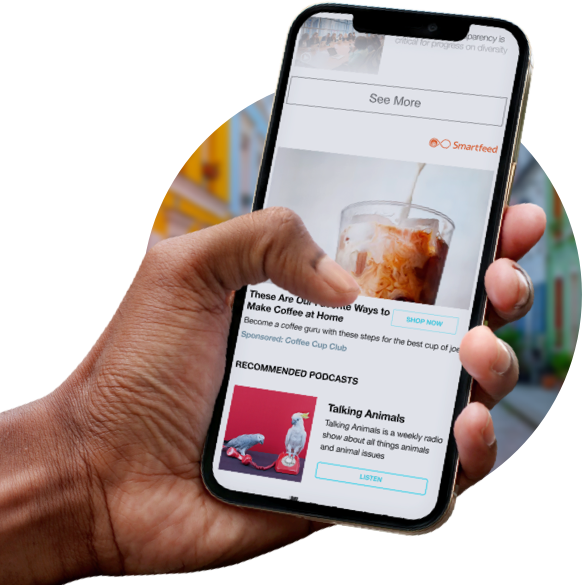
In addition, consumers are increasingly purchasing on mobile apps, driving a record $64.9 billion in the first half of 2021 through data-driven advertising. By installing mobile native ads on smartphones and tablets, marketers will be able to reach these users. They can thus capture people’s attention wherever they are and appear on the device they are already using.
2. Video Distribution
The data that Cisco is handling shows that video would be responsible for 82% of the total internet traffic in 2022, which is an increase from the 72% in 2017. As a result, there will be 3 trillion minutes’ worth of video content that people will watch every month, out of which the minutes of sponsored content will be 1.1 million per second.
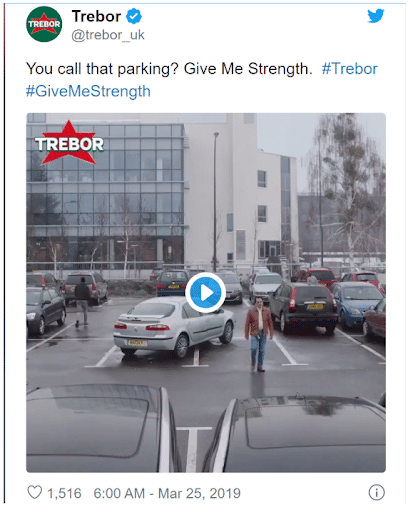
There is no reason why marketers have not hopped onto the video bandwagon and are not finding new and innovative ways to reach audiences with native video ads. As eMarketer stated, changes in video advertising will lead to more native and less formal approaches, especially as brands try to engage consumers across mobile apps and websites.
To tell visually compelling stories, educate and inform audiences, and become a natural part of an online world already loaded with video streaming platforms and experiences, advertisers should switch to video.
3. Programmatic Automation
Programmatic advertising is the process by which marketers automate the buying, selling, and optimization of ads across different channels; thus, they save through innovative native advertising campaigns. time and money. This is the main reason why the number of programmatic native advertisers in the USA rose from 926 in 2020 to nearly 2,000 in 2021. E-marketer, in its 2020 estimates, suggests that 87.7% of native ads were purchased programmatically, compared to 86.7% in 2018.
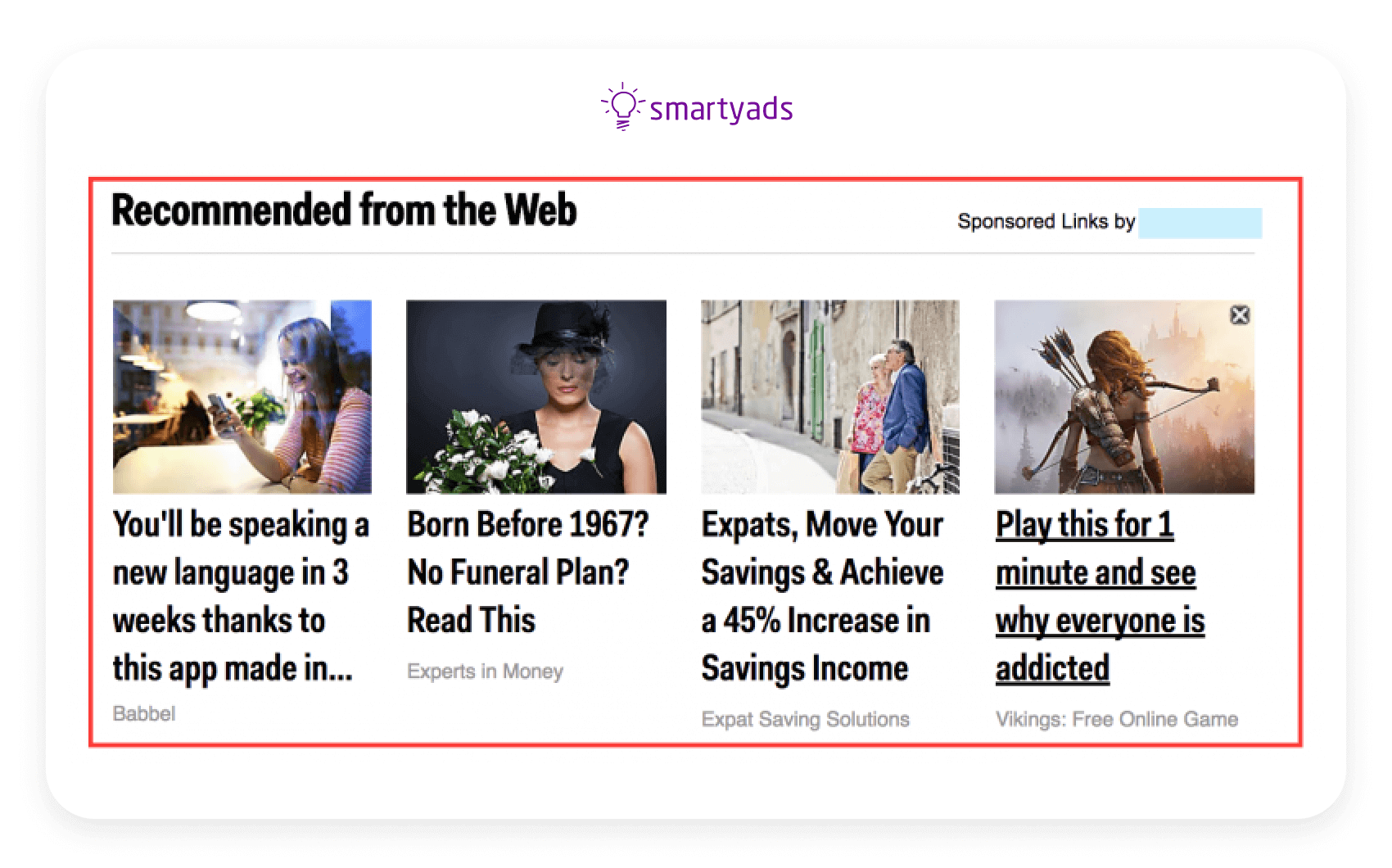 To make the most of their campaigns in 2022, advertisers should keep these native programmatic best practices in mind:
- Branding—reach as many potential customers as possible and keep the CPMs at low levels.
- Consideration—provide information to readers through articles or long-form content
- Acquisition—employ advanced bidding strategies to optimize CPAs
Testing is essential. Have 5-8 creative versions and test them against each other to find which images and copy work best.
Start Lookalike Audiences. Use your CRM data to target people with characteristics similar to those of your most valuable consumers.
Use contextual targeting. Launch native ads that are not only the same as but also aligned with the content and context your target audiences are already reading, thus giving them the most relevant and personalized experiences.
4. Images of People and Close-Ups
Taboola Trends collects data every week from native ad campaigns all over the Taboola network. In total, about 75 million clicks and 50 billion impressions are analyzed to understand which strategies lead to the most clicks and engagement. The insights gained from this analysis are invaluable for advertisers in building data-backed campaigns that are more likely to resonate with target audiences and thus generate the desired results.

Besides, marketers can specify trends results by industry, device, language, and location to find the best creatives for their native ad campaigns at any time.
5. First-Party Data Strategies
Third-party cookies are gradually disappearing, and they are expected to be blocked in Google Chrome starting in 2023. Advertisers will need to develop robust first-party data strategies and new identity solutions to track and target customers online and remain compatible with this change.
Such a significant change will definitely influence their native advertising strategies. However, if done correctly, first-party data can be a powerful asset for their campaigns. For instance, Taboola uses its own first-party cookie. Publisher partners only need to install our code on their website. Then we can leverage our recommendation engine to serve personalized and contextualized native ads to the right audience.
Advertisers can also benefit from first-party data to purchase programmatic ads using performance-oriented pricing models, such as viewable CPM. With this action, they are able to confirm that their advertising expenditure is going towards something real and visible.
Conclusion
Native advertising has ceased to be a mere trend and has become a necessity for every marketing strategy of a modern company. The change in native ads is very fast and they are moving from AI-driven creatives and contextual targeting to short-form videos and transparent messaging. Being on top means, among other things, using platform-specific strategies, keep testing consistent, and focusing on authentic, relevant content.
In case you are looking for a native advertising agency, the right specialists can be the ideal partners to lead you towards business expansion, elevate brand recognition, and obtain more of the right type of engagement. The brands that will be able to efficiently adjust to these trends will not only strengthen their relationship with the audience but also enhance the performance of the ads and, at the same time, increase customer loyalty.

Vijay Sood is a seasoned digital marketer with a passion for driving online growth and innovation. With a robust background in developing and executing comprehensive digital strategies, Vijay excels in leveraging SEO, content marketing, and social media to boost brand visibility and engagement. His expertise lies in transforming data-driven insights into actionable marketing campaigns, helping businesses achieve their digital objectives.