Did you know that upwards of 60 percent of Amazon sellers are said to struggle with Amazon Sponsored Products campaigns? Creating and launching a campaign is straightforward, but it’s often the ongoing tweaking and optimization that enhance marketability, performance, and visibility. Almost 60% of Amazon sellers have difficulty setting up effective Sponsored Products campaigns.
If you depend on organic SEO to bring visitors to your listings, you are at the mercy of search engine rankings every time. Keep reading to learn about the weekly tactics that top brands implement to continually improve their Amazon ad campaigns and capture the market share.
What Is Amazon PPC?
Amazon PPC, or pay-per-click advertising, is the sponsored advertising platform within Amazon Ads. Sellers/vendors bid to have their ads appear on Amazon Search Results & Details Pages, Brand & Video Placements, or Display Inventory. You are charged when a shopper clicks on the ad.
Those old PPC numbers still matter: impressions, clicks, CPC, CTR, conversion rate, ad sales, spend, ACoS, ROAS, and TACoS. But in 2026, that isn’t good enough on its own. A healthy ACoS doesn’t necessarily mean the campaign isn’t slowly losing margin, putting pressure on stock, not covering enough keywords, or making the account overly reliant on paid traffic. What needs to be done is tying ad performance back to the reality of the account.
7 Key Strategies for a Winning Amazon PPC Optimization Routine
To maximize your brand exposure within Amazon there is an important intuitive and logical workflow you have to go through repeatedly and enhance every week in order to cut off all the wastes of spend and to grow the converting search terms. The following is the most implementation weekly steps that the top brands are executing in order to ensure their improvement.
1. Structuring Your Account with a Three-Tier Architecture
A sloppy campaign structure will prevent even the most carefully systematic optimization for an Amazon seller. Good sellers break out advertising into three major levels: research, performance, and defense. Run an auto-bid campaign or broad-match structure in Tier 1 to forever collect new keyword data, put converting search terms into Tier 2 exact-match campaigns to make sales on Amazon, and defend your brand equity with Tier 3 defensive campaigns.
2. Conducting Weekly Search Term Report Analysis
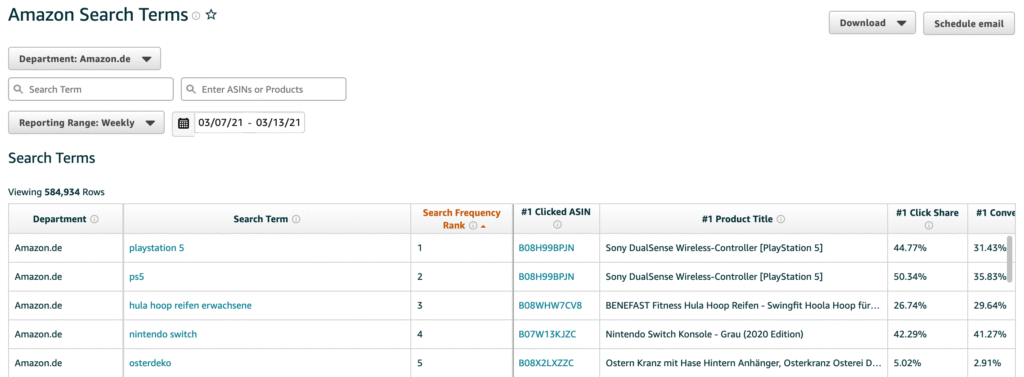
Discover the words that shoppers use to find your products in the Amazon search results. Launch your campaign manager on a weekly basis to export your latest ad performance data. Find the terms that perform well within your optimization criteria, and push these to manual campaigns so you are not wasting your budget on generic un-optimized traffic.
3. Aggressively Pruning Wasted Ad Spend with Negative Keywords
Wasted ad spend is the biggest factor determining an inflated advertising cost of sales (ACoS). In order to optimize your Amazon ads, regularly analyze your search term data on a weekly basis and identify search terms that are accruing a high number of clicks but aren’t resulting in conversions. Applying these bad performing search terms as a negative keyword at the campaign or ad group level is a quick and effortless way to cap your ad spend straight away, dramatically increasing your ROAS.
4. Executing Data-Driven Bid Adjustments Calibrated to ACoS
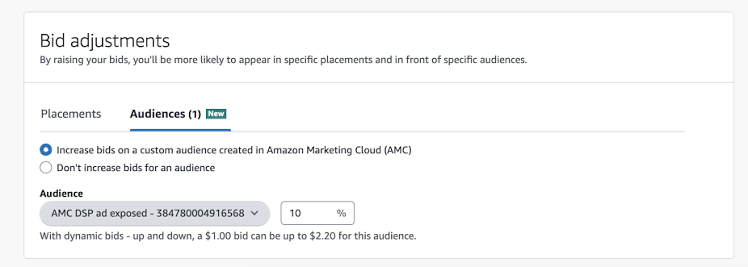
The most successful Amazon PPC bid strategy is to vary the cost per click according to current conversion rate data. For any keywords that are running below your target advertising cost of sales, increase your PPC by around 10-15% so as to capture more impressions. For those that are above the target, safely decrease your PPC by 10-20% without losing all of the momentum gained through organic sales.
5. Diversifying Your Ad Mix with Sponsored Product and Sponsored Brand Ads
Basing your advertising on only one type of ad reduces your total reach and artificially increases your cost per click. The key to a successful advertising campaign is to find the right balance between all available platforms. Use the sponsored product ads in conjunction with sponsored brands rich campaigns to achieve broad awareness. Use sponsored brand ads and great video creatives in the middle of the page to turn users into buyers.
6. Expanding Premium Placements with Sponsored Display Ads
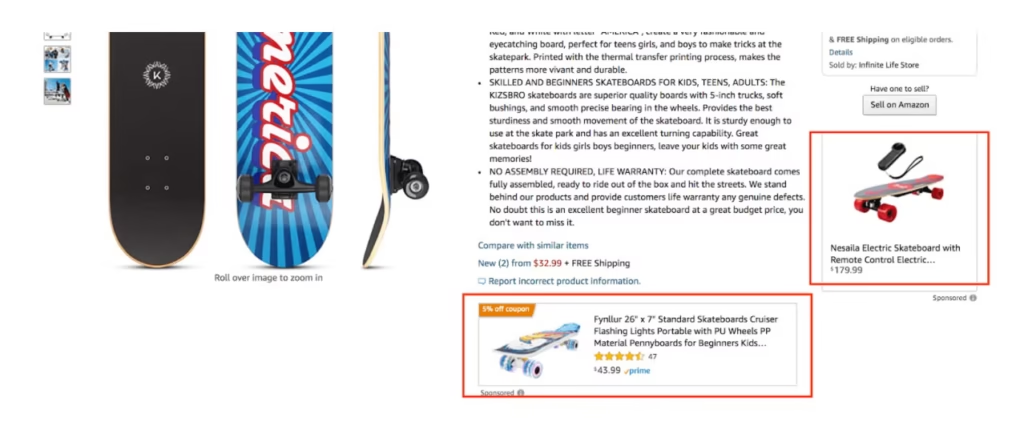
To reach these high-intent shoppers, your brand consideration cannot stop at Search Engine Optimization placements. Employ a specialized sponsored display ad offerings for retargeting shoppers that hit your product detail page (PDP) but haven’t yet experienced the purchase funnel. Such dynamic sponsored display ads will enable you to serve ads to a competitor’s product detail layout directly and commoditize its traffic, capturing market share more efficiently.
7. Utilizing Advanced Automation Tools and Dayparting Techniques

With competition heating up, regulating each and every individual Amazon PPC campaign manually can become increasingly operationally difficult to sustain. Leading sellers are now using dedicated Amazon PPC applications or utilizing the Amazon Ads API directly in order to automate constant hourly rules. Here, applying hyper-customized dayparting rules can be used to automatically reduce bids during slower and early morning hours with lower conversion rates, thus throttling your ad spend for more optimal shopping times.
Troubleshooting Common Optimization Problems
Everyone faces difficulties, no matter your level of experience. But how do you overcome these challenges?
What to Do When ACoS Suddenly Increases
If your ACoS spikes unexpectedly:
- New entrants to the space?
- Look at any recent bid/budget modifications.
- Observe seasonal or market shaped trends which might influence the conversion rate
- Examine click-to-conversion time lags
- Check the status of your product inventory and Buy Box percentage.
Often, a short-term ACoS boost resolves for 7-10 days as the attribution window picks up the lagging conversions.
Addressing Declining Impressions
If your impressions are dropping:
- Evaluate whether the competitiveness of your bids is still maintained.
- Check that your budget isn’t running out too quickly.
- Review keyword relevance scores
- Look for negative keyword conflicts
- Confirm your product is in stock and in the Buy Box.
Occasionally, a small refresh of a campaign by adding some new keywords or slightly restructuring the campaign can turn things around from a downward trend.
Resolving Conversion Rate Issues
Conversion rate issues are usually a listing problem rather than a campaign problem:
- Compare your listing to competitors
- Look out for newer prices that could make it not quite so attractive
- Please check if the image quality is good and the information provided is comprehensive
- Customer feedback is also a good place to look for concerns. Look at the customers queries or complaints. These may be individual comments but can often be generic concerns.
- Can evaluate how the ad compares to the listing (on the use of language and the setting of expectations by the ad).
It is important to keep in mind that you can get clicks through your PPC campaign but it is your listing that has to convert.
Conclusion
Climbing the education curve with Amazon advertising is ultimately a series of small, weekly data manipulations over hoards of campaigns rather than Deep Cleaning your Seller Central account on a recurring basis. If you regularly maintain a solid 3-tier campaign structure and utilize intensive negative keyword removal, sellers can reliably hedge against ever-increasing acquisition costs.
By focusing on driver optimization at the mass scale, such a cost-stable Amazon advertising cost of sales drives the algorithm into an organic ROI-driven growth process for keywords.

Vijay Sood is a seasoned digital marketer with a passion for driving online growth and innovation. With a robust background in developing and executing comprehensive digital strategies, Vijay excels in leveraging SEO, content marketing, and social media to boost brand visibility and engagement. His expertise lies in transforming data-driven insights into actionable marketing campaigns, helping businesses achieve their digital objectives.