
AI content gap analysis is quickly becoming the core of contemporary SEO planning, while most teams are still doing scattershot audits and undefined topics concepts. They release blogs, update landing pages, and deliver docs, all without answering the valuable questions the customers are asking their site. The end result is an expensive content engine that doesn’t meet expectations.
Once you think about gap discovery as a continual, AI-powered flow rather than a time-limited activity, the a-ha moments will blow your mind. You’ll begin systematically identifying subjects, perspectives, and formats your rivals never thought of. With an AI-powered topic research tool, combined with your content operations, you develop your future marketing plan. This guide breaks down a practical framework that blends classic SEO tools with AI agents and explains how to turn those insights into measurable experiments across blogs, product pages, and more.
What Is Content Gap Analysis And How AI Helps?
Content gap analysis is when you find the essential topics, keywords or queries your audience is searching for but isn’t yet sufficiently covered on your site. Carrying out a full content audit enables you to identify gaps in your existing content. These gaps mark precisely where your content is lacking and where you are losing potential sight and organic traffic to a competitor.
Why does it matter for SEO? Filling gaps helps improve topical coverage and matching search intent. When you find out your SEO content is decaying, you can help defend your previously gained visibility. When your SEO content answers every one of your users’ anticipated questions, search engines are more inclined to bring your pages up in traditional search engine results pages, snippets, and fuzzy related questions.
The 6 Types of Competitor Content Vulnerabilities
In a competitive analysis, an AI engine analyzes a competitor’s content library in search of specific sorts of vulnerabilities. Here are six types of competitor content vulnerabilities:
1. Thoroughness Gaps (Shallow Coverage)
The competitor has found a topic but it isn’t covered in enough depth, it just scratched the surface and doesn’t provide the user with the technical specifications, way of functioning etc. For example if someone has written a 500 word blog Post about AI in Healthcare it still doesn’t explain the nitty gritty of how AI is literally revolutionizing the Healthcare sector and that is pretty evident.
The Exploit: AI semantic analysis identifies the lack of secondary entities (patient privacy guardrails, diagnostic imaging algorithms, HIPAA-compliant data routing). You fill this gap by conducting deep keyword research and creating a definitive, 3,000-word pillar page that answers the deep technical questions the competitor glossed over, effectively stealing the authority for that cluster.
2. Information Decay (Freshness Gaps)
Search intent is very changeable and time-sensitive. A competitor can have the number one spot for “Best Real Estate Investment Trusts (REITs),” but if their content was created two years ago and does not include any new macroeconomic interest rate changes or updated tax codes, it is very susceptible to decay.
The Exploit: Advanced AI tools can quickly track when the publications were issued and compare them to recent news to spot compromised assets. You can attract the traffic of users who append “2026” or “current” to their queries by publishing new content that is up-to-date.
3. Format and Modality Gaps
There is a growing user expectation for multi-modal experiences. If a competitor answers a complex SaaS software configuration question by providing a thick-walled, indecipherable wall of text, there’s a big gap.
The Exploit: You fill this space with the same information, in the form of a structured video tutorial, an interactive ROI calculator, or a downloadable technical schematic. You don’t have to look for a new topic, you are simply creating a more effective content creation process that will lead to the creation of a better format that the audience will appreciate.
4. Semantic and Entity Gaps
When a competitor ends up on a one-track keyword mindset instead of a topical mindset. While they can show up for the specific keyword (cybersecurity software), they don’t include the adjacent closely-related terms that demonstrate actual knowledge of the subject to the algorithm (Zero Trust Architecture, endpoint detection, SOC2 compliance).
The Exploit: NLP tools allow you to score content against the top search results and to uncover missing keywords, creating content that has a much higher semantic density that tells Google, LLMs, and AI platforms that your page is the most complete one on the internet.
5. Intent Mismatch Gaps
This is one of the most profitable opportunities to capitalize on. A competitor can be high ranked for an information-oriented blog (such as “What is Cloud Computing?”) but the analytics he sees in the search engine telemetry data suggests that the people who search that term have transactional intent: They are looking to compare cloud pricing models or sign up for a demo.
The Exploit: They provide a dictionary definition of the competitor, and you exploit the void by employing a bottom-of-the-funnel comparison matrix and pricing guide that hits its competitor’s underlying commercial need.
6. Conversational and Voice Search Gaps
Consumers are using multimodal LLMs and voice-activated assistants more and more, and queries are becoming hyper-conversational. The language taken by competitors that is stiff, formal, like corporate jargon, often doesn’t match the language in which people search for information verbally.
The Exploit: Generative AI models can rewrite and structure your proprietary data into direct, natural-sounding Frequently Asked Questions formats optimized for conversational interfaces, AI responses, and featured snippet extraction.
How To Find Content Gaps With AI Step By Step
The best way to find an AI content gap is to take a systematic approach to the challenge. It’s not about letting AI fill in the blanks in a random way, but giving it content that has some value to it and asking it the right questions to dig into content opportunities.
Here is a practical and step-by-step approach to a content gap analysis.
1. Audit Your Existing Content
When utilizing AI it is best to know what has already been shared. Export blog titles, main topics, or topic summaries as a single file. Copy this into an AI tool and send it for a full content audit to categorize your content into themes. This reveals what you have a good amount of content on and what you have less of.
Prompt example: “Here are 30 blog titles from my site. Give a summary of the topics I blog about the most, and identify what I don’t blog about very often.”
2. Compare Your Content With Competitors
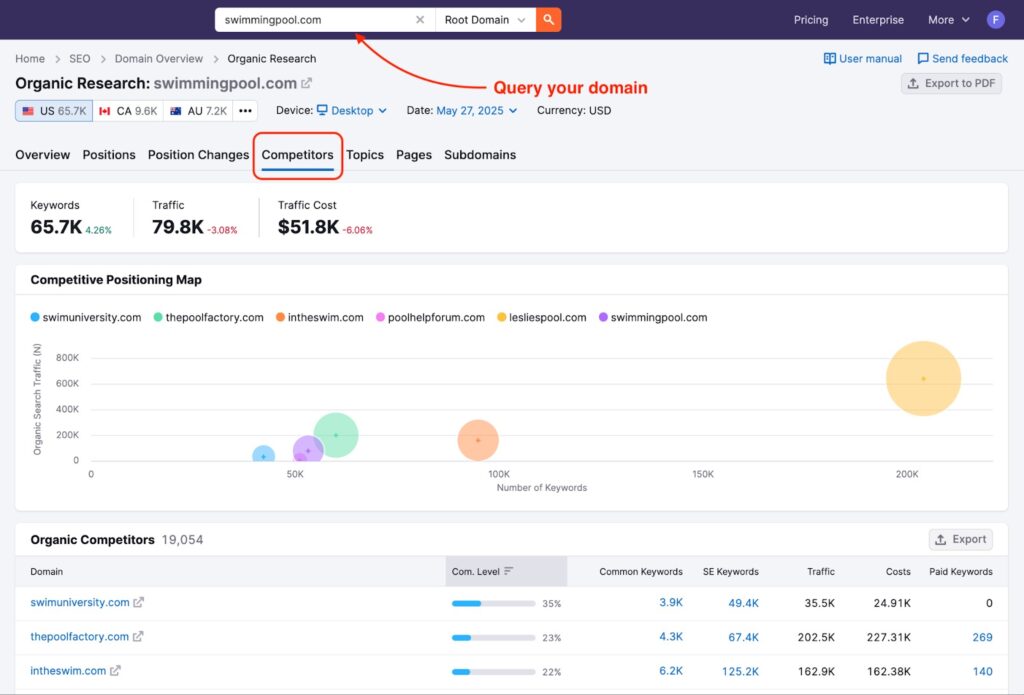
Once you have mapped your library, you’ll want to undertake a detailed competitor analysis to analyze your competitors and identify what they are missing. A content gap tool can help you discover topics that your competitors rank for on search and AI platforms, but you do not. The common discovery about AI:
- Subtopics by competitors: Supporting angles/content items you have missed.
- Follow-up intent gaps: Your page is providing the right answer to the initial question, but not the successive questions users may be asking.
- Add gaps: They win with FAQs or comparisons or if it’s a step list then they lose.
- AI search visibility gaps: You haven’t covered these, but they are discussed in the AI overview.
3. Identify Keyword And Topic Gaps
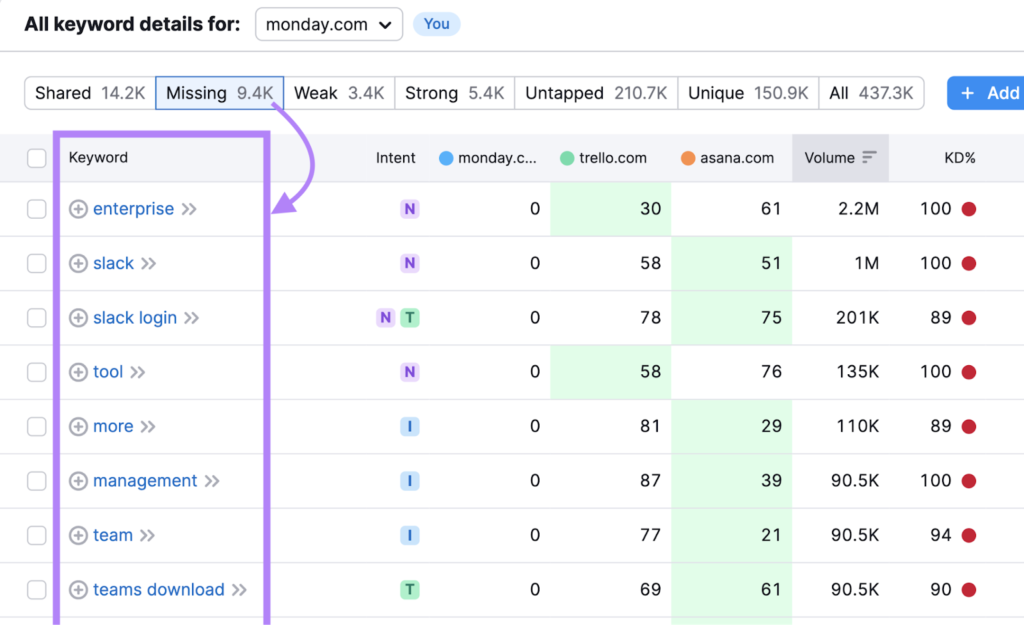
Then add real keyword data to the mix. Retrieve keyword lists from Google Search Console, Ahrefs, or Semrush. Input them into AI and let it analyze the keyword and topic data, and group the missed terms into a few meaningful topics.
Prompt: Give you keywords that your competitors are ranking for that I’m not, make them into 5 new content themes to build next.
4. Collect General User Questions
Ask ChatGPT to bring to light the genuine questions people are looking up about your topic. Extract questions from People Also Ask and forums, Search Console. Then have the AI group them into missing sub-topics and explicit content to complete that you can incorporate into existing pages or create new content for.
Prompt for examples: “What are some follow up questions people would ask after searching for [topic]?”
5. Prioritize Gaps By Impact
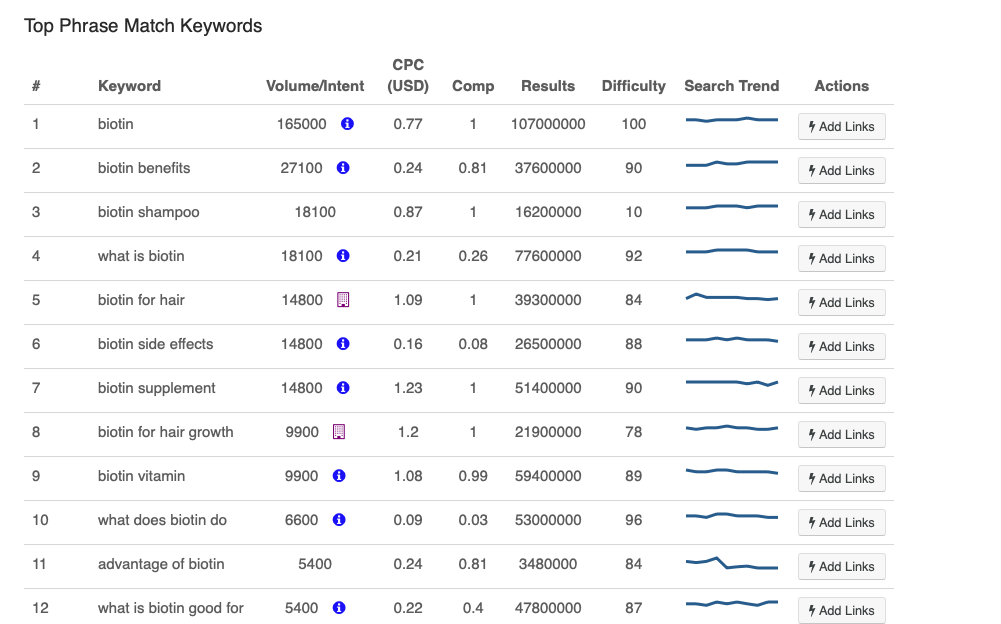
Not all gaps are the same. Sort your new content opportunities with an AI keyword gap tool by:
- Search demand: Overall search volume, impressions and trend strength.
- Intent value: How close a specific keyword is to your product or conversion goal.
- Effort: Examining the keyword difficulty to determine if it’s a simple upgrade or a complete new content creation.
Prompt example: “Now that you have 15 ideas for gaps, rank them in order of business value and ease to publish.”
How Can I Use Artificial Intelligence To Analyze My Content Against Competitors?
Competitor comparison is important since gaps in content do not occur in isolation. It may seem you have enough material, however if others rank higher than you because they provide a better, more comprehensive response to the same question, or their question more closely matches the intent, Google’s AI or traditional search engines will know that. AI can make the comparison in an instant and infinite number of ways without guessing.
Compare Your Coverage With Competitors
First, begin by providing AI with your website and 2-5 competitor websites to analyze competitor content.
- Enter your URLs + competitor URLs: Enter the URL of your main domain and the competitor URLs to benchmark.
- What AI looks at: It analyzes topics, headings, content structure, content depth, and intent match in every site to identify where your content actually falls short.
- What you receive: You get a clear idea of which subtopics they cover that you don’t, and where their structure will answer the question better, so you can outrank your competitors.
Extract And Group Keyword Opportunities
Next, use an automated keyword gap tool technique to focus heavily on your keyword opportunities.
- Extract “they rank, you don’t” terms: Get the ranking keywords for your exporters from your tools or from comparisons in Search Console.
- Organize them into themes: Get AI to organize them into a few topic buckets instead of a long list of keywords. This step converts raw gaps into actual content ideas that you can then turn into your content production line.
Pull Missing Questions From Real Searches
Keyword gaps are just part of the story. A lot of times, your existing content does not address follow-on questions that your competitors do.
- Gather authentic questions: Take out people who additionally ask snippets, forums, Reddit threads, and SERP patterns for your topic.
- Have AI cluster them: AI will group similar questions into missing topics and areas, creating a clear gap identification workflow. Such question groups can be the quickest enhancements to make your current content work best.
Prioritize Gaps By Impact And Effort
Lastly, select which to address first to gain the most AI visibility. Lastly, select which to address first to gain the most AI visibility. A structured AI-driven SEO strategy from SwiftPropel can connect these content priorities with organic traffic, lead generation, and wider business objectives.
- Relevance: Is the gap relevant to a specific content need of your product, audience, or funnel stage?
- Competition level: Low competition that will be won in a short period or a difficult one that will take a lot of time for you to get the depth and AI development.
- Business value: Will it attract customers, leads, or high quality organic traffic?
- Short-term wins vs long-term: Seize small gaps now, then create larger gaps next to these for long-term AI SEO dominance.
Conclusion
Digital discovery and search are forever changed. Businesses that still use manual competitor audits, old-school keyword spreadsheets, and reactive content strategies will be completely lost in the overview summaries and answers created by AI that now occupy users’ attention and influence their B2B buying choices.
The message is simple and straightforward. You must transition from standard optimization to generative AI, focusing on GEO content that algorithms trust.

Vijay Sood is a seasoned digital marketer with a passion for driving online growth and innovation. With a robust background in developing and executing comprehensive digital strategies, Vijay excels in leveraging SEO, content marketing, and social media to boost brand visibility and engagement. His expertise lies in transforming data-driven insights into actionable marketing campaigns, helping businesses achieve their digital objectives.