With fresh new e-commerce sites launching every hour and search algorithms shifting all the time, just a simple web presence will not suffice. Enter search engine optimization, which quietly but emphatically drives consumers to your goods without having to constantly pay for pay-per-click ads.
Appearing on top of search results is not a luxury but the foundation of sustainable growth in e-commerce. This article will examine the significance of SEO for e-commerce companies, such as how strategies help generate free traffic, create brand reputation, and convert casual visitors into regular customers. Join us as we outline the reasons why SEO must be the core of every successful e-commerce strategy.
What is E-commerce SEO?
E-commerce SEO, in simple terms, is the strategic blueprint online retailers use to climb higher in the unpaid search results on engines like Google and Bing. When your website runs like clockwork for search engines, fresh leads knock at your door without draining your budget on ads, thanks to effective technical SEO practices.
Smart SEO enhances your rankings, improves the visitor experience on your site, and fosters trust in your brand. To weave SEO into your e-commerce site, stick to these proven steps:
- Keyword Research: Understanding the keywords that rank higher in search engine result pages is crucial for success. Dig up the exact phrases your potential customers type when hunting for your products to improve your chances of ranking higher on SERPs.
- Site Structure Optimization: Build your site so that both visitors and search engines can easily navigate to the pages that matter most.
- On-page Optimization: A crucial component of technical SEO that can significantly impact your site’s performance in search engine result pages. Fine-tune the text, images, and layout of your product pages to please both search engines and shoppers.
- Create High-Quality Content: Craft original, compelling content that delights your customers and answers their questions, boosting your visibility in organic search results.
- Cultivate External Links: Acquire incoming links from reputable websites that direct users to your online shop. This practice strengthens your authority in the eyes of search engines and reinforces the perception of your brand’s reliability.
What is the Importance of SEO for an eCommerce business?
Here’s how working with an eCommerce SEO specialist translates into measurable gains for your brand in terms of organic search traffic.
1. Boosting Organic Traffic via Search Presence
Organic traffic comes from users who find your site through unpaid search results. For online retailers, this traffic is indispensable because it reaches users who are already inclined to seek out specific items. Strategically applying relevant keywords across your store increases the likelihood of achieving top search rankings, which in turn translates to consistent daily visitors.
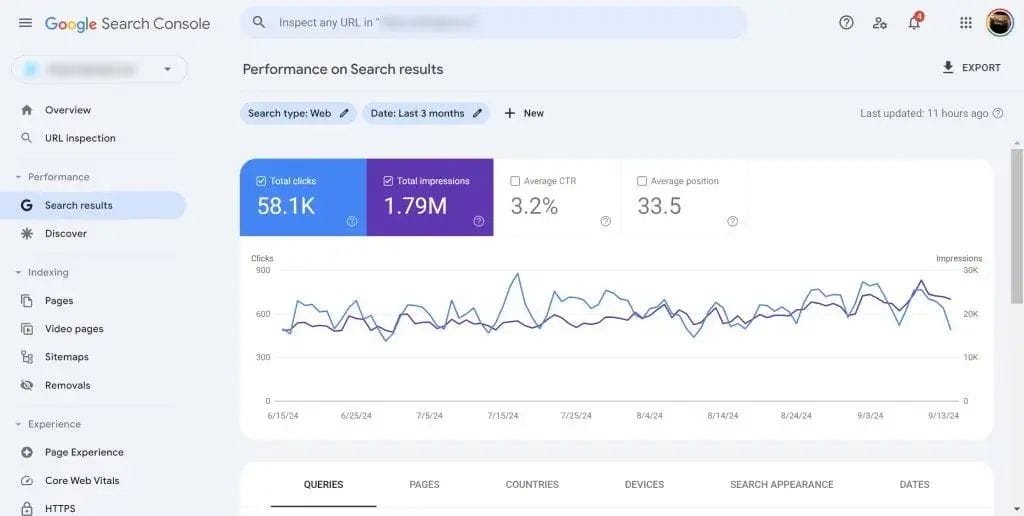
Effective SEO optimizes product pages, category views, and blog content by incorporating keywords that accurately represent your inventory. This fine-tuning elevates your site’s visibility in search results and enhances the overall user experience. Consequently, when consumers enter targeted queries, they are more prone to discover your site and proceed to checkout.
2. Building Trust and Credibility with Users
Climbing the search engine rankings usually boosts the public’s perception of a brand’s reliability, especially when it appears prominently on search engine result pages. For an eCommerce platform, landing a top position in search results signals to potential buyers, especially first-time visitors, that the business can be trusted. This immediate sense of security can be the decisive factor for someone about to complete a purchase.

To cultivate this trust, focus on creating content that genuinely serves the audience. Detailed product guides, clear how-to articles, and authentic customer reviews not only inform but also reassure visitors, providing a valuable experience. When people find content that helps them solve problems, they are more inclined to return, make additional purchases, and recommend the brand to others. By integrating trust-building content with a deliberate SEO strategy, a business can not only improve its search visibility but also foster customer loyalty and elevate its brand reputation.
3. Generate Qualified Leads
Organic, steady traffic leads to leads worth pursuing, particularly through effective digital marketing strategies. You can grab a shopper’s interest only when your website and product line meet their unspoken needs. Begin with sound SEO fundamentals. Make your site easy to navigate, serve up content that resonates, streamline the checkout path, and place an irresistible call to action in the right spot. Imagine a site devoted to women’s casual wear.
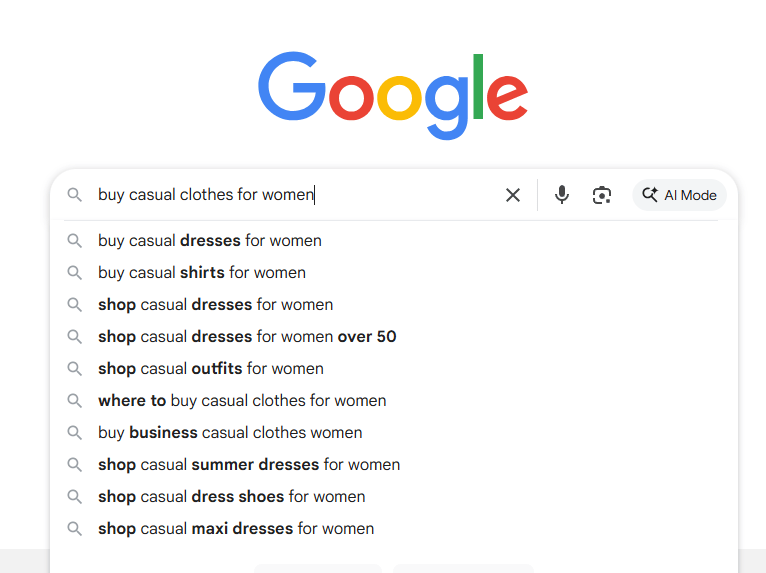
They might target phrases like “buy casual clothes for women” or “affordable women’s casual wear” to attract the right audience. They’ll complement that with a clean, logical layout and a series of lifestyle blogs that keep the brand connected to the search engines and, more importantly, to the shopper’s journey.
4. Increase Your Customer Base
Staying a step ahead in e-commerce demands constant research and thoughtful comparison, especially when every digital shelf is crowded with competitors. First, you pinpoint who your competitors are, then you map their strengths and weaknesses, examine what they sell, and follow their marketing moves and their audience. Each layer of this research turns into a guide for smarter, bolder choices that can help your ecommerce site rank higher in search results.
5. Lift User Experience
A satisfied shopper is your best advertisement. Through thoughtful SEO, you can keep them smiling by organizing your layout, speeding up load times, prioritizing mobile views, and writing clear, honest product descriptions.

If you and a competitor run the same sale, the difference in customers often comes down to the little things: they might lose fewer carts because checkout is a tap, not a maze, or because their site feels fast and familiar. The gap between you and them could be the attention you both give to the shopper’s journey and the effectiveness of your marketing strategy.
6. Supporting Long-Term Growth And Scalability
Investing in SEO attracts many because, unlike one-time ad buys, it quietly strengthens your site month after month. Returns arrive gradually, but a solid SEO foundation tends to outlast the initial effort, delivering benefits well into the future. As your site earns more visibility and authority, it can maintain high rankings and steady traffic, reducing the need for constant paid promotions.
SEO also equips businesses to grow smoothly. An eCommerce company that wants to add more products or target new customer segments can expand its existing keyword roadmap without rebuilding the entire site, optimizing its digital marketing efforts. For firms that lack the budget for in-house specialists, working with an SEO reseller offers a practical way to scale. They can continue optimizing, even when bandwidth is tight.
What are the Steps for E-commerce SEO?
E-commerce Search Engine Optimization (SEO) is the roadmap to increased visibility and sales. Achieving this means layering several tactics that, together, raise your site’s profile in search results.
On-page SEO serves as the starting point for successful e-commerce optimization. It involves fine-tuning the elements within your site to meet search engine criteria, thereby boosting the odds that your products will rank prominently. To establish solid on-page SEO, implement the steps outlined below:
1. Keyword Research
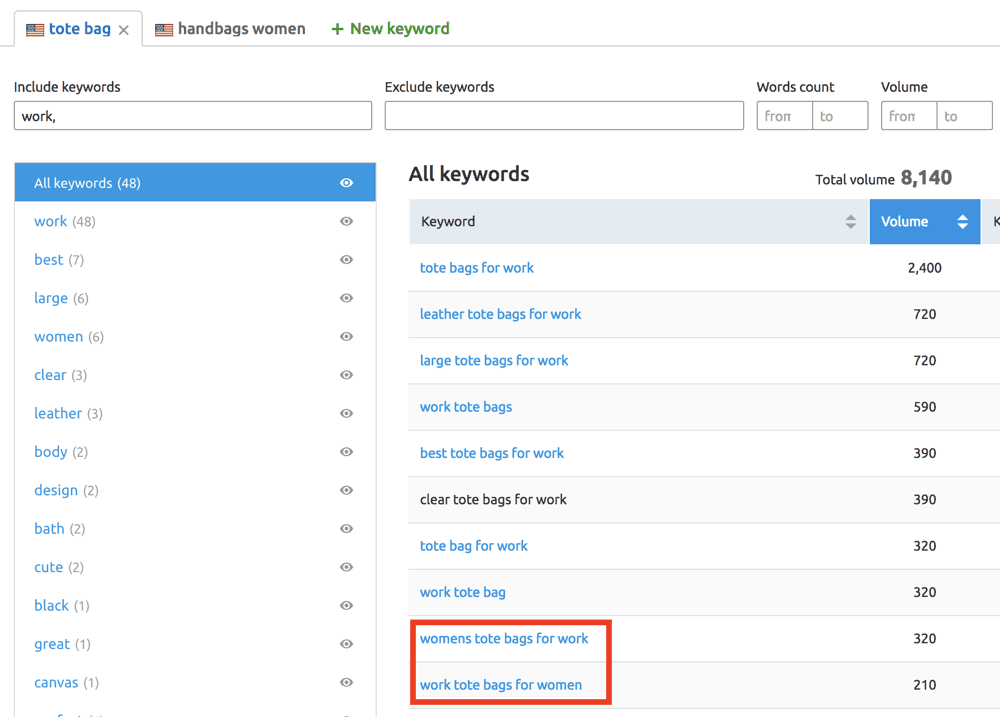
Keywords are a primary driver behind your product rankings. When you select the right terms, you position your products in front of shoppers actively looking for them. Leverage platforms such as SEMrush, Ubersuggest, and the Google Keyword Planner. These tools will help you identify trending terms and generate fresh ideas. Select terms that balance decent search volume with direct relevance, paying attention to the underlying intent.
2. Optimize Store Categories (Optimize Title Tags per Page)
Optimize one value-proposition title tag per category. It should include the target keyword, be short, and indicate the purpose of the page clearly, so users click.
3. SEO for One-of-a-Kind Products
Create a complete product description that includes relevant keywords organically. Highlight the product benefits and features and explain how it meets particular customer wishes, so they buy and engage with your ecommerce site.
4. Enhance Your Product Photos
Ensure that all photos are clear, well-lit, and high-definition. Include alt text, a brief description of the picture, on each photo, and scatter your primary keywords. It helps visually impaired people, yet it also gives more context to search engines, so they will be more likely to add your pictures to their results.

5. Have Clean, Keyword-Rich URLs
Make shorter URLs readable, spellable, and contain your keywords. A readable URL assists both search engine spiders that crawl your site as well as end users who only look at it in search results, which results in improved rankings.
6. Make Internal Links between Categories, Products, and Articles Stronger
Incorporate internal links from your product pages to other similar products, pertinent blog articles, and principal category pages. This offers easy user navigation and allows search engines to index and crawl your pages more effectively, enhancing your overall technical SEO.

7. Release Engaging Promotional Content
Create products-focused articles. Use how-to articles, side-by-side comparison, or hand-curated customer reviews to create valuable backlinks that enhance your SEO. Such content not only directs additional traffic but keeps your site in the front and authoritative in search results.

Conclusion
Search Engine Optimization (SEO) is a foundation on which any e-commerce website will flourish in a crowded virtual playing field, enhancing its visibility on search engine result pages (SERPs). When online merchants optimize their websites for search engines, they are not only bringing in prospective buyers who are looking to buy, but they are also creating a base of trust that brand loyalty rests upon.
The advantage of SEO is that it advances human users ahead, giving them results that truly reflect their intent, and at the same time propels a company’s competitive edge and puts it on a path toward long-term, sustainable growth. In this day and era where being online as a business is what generally makes or breaks businesses, not paying due respect to SEO as an absolute and not a favor is no longer a choice; it’s survival.

Vijay Sood is a seasoned digital marketer with a passion for driving online growth and innovation. With a robust background in developing and executing comprehensive digital strategies, Vijay excels in leveraging SEO, content marketing, and social media to boost brand visibility and engagement. His expertise lies in transforming data-driven insights into actionable marketing campaigns, helping businesses achieve their digital objectives.