In the quest for sustainable business growth, the biggest solitary challenge is getting to new prospects who are not yet familiar with your brand. A display ad campaign targeting a cold audience is an easy yet effective solution on the Google Display Network that allows advertisers to reach broader audiences, establish brand awareness, and fill the top of the funnel with fresh prospects. While search ads engage users with intent, catching them already in the process of looking for similar products or services, display ads allow you to proactively bring your brand in front of audiences who may not yet know about you. This is a tactic that’s needed if you’re attempting to broaden your market reach and supplement your ad approach by breaking beyond explicit intent-based targeting.
In addition, display ads complement visual storytelling that functions well for brand recall and engagement at the top of the funnel. Display ad campaigns also provide sophisticated audience targeting features to enable advertisers to target specific interests, demographics, and behaviors. Strategic use of Google Ads’ analysis and bidding strategies can make these campaigns effectively deliver conversions from cold audiences. In this article, we will find out how to build a successful cold audience campaign with display ads to enable your business growth through the acquisition of new potential customers.
Advantages of Display Ads for Cold Audiences
To deliver optimal impact, tapping into the benefits of display ad campaigns can open the door to always-on growth. Here’s why those campaigns are useful for the realization of your objectives:
- Display ads enable you to reach cold audiences at scale by targeting users who are unaware of your brand, as opposed to search ads based on intent-based targeting. It means that you can get your products or services exposed in front of users who may not be actively searching but are part of your strategic audience segment, driving overall brand awareness in growth markets.
- Google display ads enable creative and diverse ad copy to assist you in differentiating and creating lasting first impressions with your target market segment. Through compelling images and messages, these ads immediately capture attention, generating interest and awareness from potential customers who have never interacted with your brand.
- Through access to audience targeting features, you can target individuals strategically through demography, interests, and behaviors—persuading even new audiences. Rich targeting allows you to layer multiple ad campaigns atop the most likely-to-act audience segments, making every impression as relevant as possible and optimizing campaign performance further.
- These campaigns enable you to segment audiences, and you can see the analytics and remarket the high-potential users downstream using tools like Google Ads Remarketing. With your users viewing your display ads, you remarket to them afterwards with targeted messaging and achieve multiple touch points that build leads and drive conversion rates down the funnel.
How to Set Up a Cold Audience Campaign with Display Ads
The following are the steps to creating a successful cold audience campaign in Google Ads, through the Google Display Network, and the best practices in audience targeting and conversion optimization:
1. Set Up Your Google Ads Account & Link Analytics

Begin by logging in or setting up your Google Ads account. If you haven’t done this yet, link your Google Analytics account to measure conversions, on-page activity, and ad performance on your site. Include GSC (Google Search Console) data like traffic pace and top pages for the final piece of information on current site traffic and areas to be vulnerable to attack using your campaign. This foundation is essential for ROI tracking and optimizing your campaign.
2. Select the Proper Campaign Type
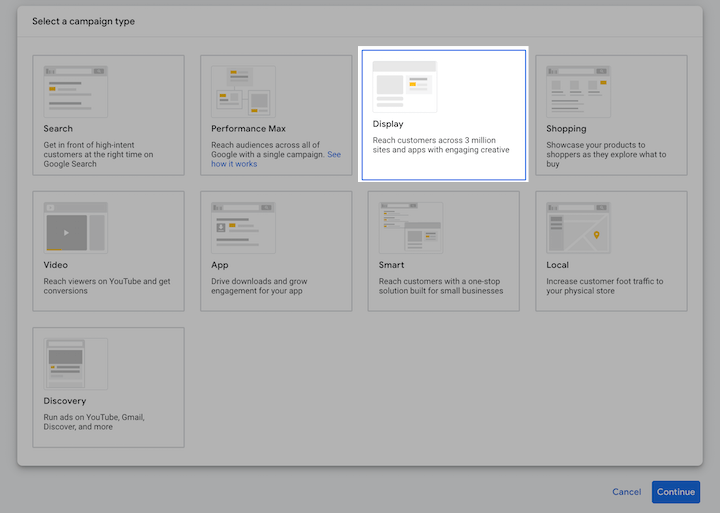
Choose the “Display” campaign type in Google Ads to tap into the full power of the Google Display Network, across millions of websites and mobile apps. Or, display ad campaigns show up within a wide geographic region, allowing you to target consumers even when they aren’t searching. Use a separate campaign for cold audiences so that you can easily compare.
3. Define the Goal (e.g., Conversions or Brand Awareness)
Decide whether your topmost priority is conversions, lead generation, or awareness of the brand. In Google Ads, select a related bidding strategy for your objective. Target CPA for conversions, CPM for reach, or optimize for conversions for growth-starved marketers. Having objectives in advance means all that is happening in your display ad campaign aligns with measurable success.
4. Build a Targeted Cold Audience Segment
Employ audience targeting within Google Ads to build a targeted cold audience segment:

- Choose demographics, interests, and in-market behaviors applicable to your opportunity.
- Upload custom audiences or build audiences based on visitors to your site (excluding clients).
- Don’t overlap with your current retargeting or remarketing campaigns since cold campaigns are for brand new leads and not those that’ve seen your site.
- Keep high but fractured audience sizes to provide reach without losing accuracy.
5. Create Engaging Ad Copy and Creatives

Create engaging display ads with concise headlines and inviting message to your audiences. Include high-quality images, concise brand identity, and inviting call-to-action. Responsive display ads allow you to upload multiple assets (images, headlines, descriptions, logos), and Google will automatically test combinations to discover the best-performing ad copy for a given audience segment.
6. Install Conversion Tracking
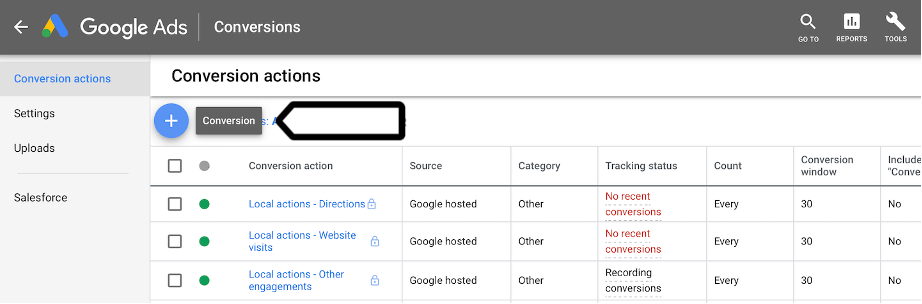
Install conversion tracking in Google Ads and Google Analytics, Add conversion actions such as form fills, transactions, or one-time page loads. It enables you to know which audience segments and creatives are driving valuable action and give you actionable data to optimize targeting or messaging to increase a higher conversion rate. Proper tracking is essential to increase ROI.
7. Use Google’s Best Practices for Optimization
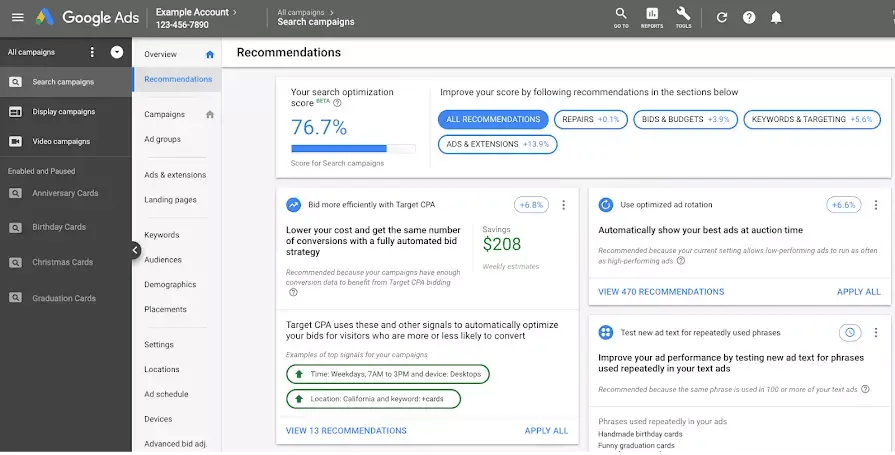
Target your audience more effectively by performance, compare one responsive display ad unit with the other, and rotate your ad creatives regularly to stay fresh. Use cross-channel analysis by comparing the performance of your display network campaigns with your search ads and YouTube ads on how well they retarget users or remarket by means of targeted messaging for future conversion opportunities. Google best practices will keep your cold audience campaigns competitive and efficient.
Conclusion
Establishing a cold audience display ad campaign via Google Display Ads is vital for any company looking to attract new clients, expand its ad conversions, and foster long-term brand awareness. Remarketing campaigns and retargeting are crucial later on, but a well-timed initial display ad campaign prevents your sales funnel from ever missing out on having new potential customers walk through its doors.
Using Google Analytics reports, audience segmentation, and proper campaign setup, you will be able to reach and target those who have not previously had an interaction with your brand, giving yourself the best possible opportunity to turn them into repeat business.

Vijay Sood is a seasoned digital marketer with a passion for driving online growth and innovation. With a robust background in developing and executing comprehensive digital strategies, Vijay excels in leveraging SEO, content marketing, and social media to boost brand visibility and engagement. His expertise lies in transforming data-driven insights into actionable marketing campaigns, helping businesses achieve their digital objectives.