Roofing is a seasoned contractor in a vastly competitive market. You have likely encountered dozens of other contractors as a roofing contractor yourself. Having a digital presence is a must in this business, especially if your intention is to draw in new clients. But with all the options and methods out there, how do you start your guide to google ads? That’s where a carefully crafted Google campaign will assist you. With the power of Google, you can reach clients at precisely when they are most in need of your company, when they have a leaky roof, when they need a storm repair, or when they are having a complete replacement roof job.
This guide will provide you with a comprehensive overview of how to create a highly effective Google campaign for your roofing business, ensuring you cover all your bases and maximize your return on investment. From keyword research and ad copy best practices to targeting strategies and budget management, we’ll walk you through the essential steps to dominate your local market and keep your schedule booked solid.
Laying the Foundation: Setting Up Your Google Ads Account
Having a properly configured Google Ads account should be your first step since this is the center of your advertising activities. Make sure you understand and navigate through the available options. Google Ads should be linked with Google Analytics to fully understand user behavior on your site post-ad click, and this will provide some of the most valuable insights. This is essential in measuring the true success of your campaign, as you will be going beyond mere click metrics to evaluate leads for your roofing.
Best Tips for Local Contractors to Ace Their Roofing Google Campaign
Here are a few tips to ace your roofing Google campaign:
1. Keyword Mastery: Reaching the Right Customers
For a successful Google search campaign, your keyword research has to be on point, and this will primarily determine how successful the campaign will be. With the right keywords, your ads will show to the right users, increasing the chances of generating high-quality leads in the roofing industry.
Making Use of Google Keyword Planner
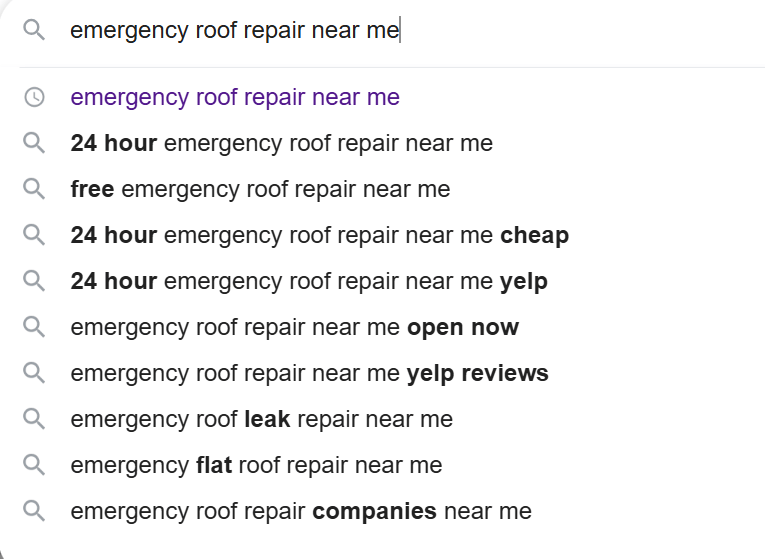
Access Google Keyword Planner, which you can find for free in your Google Ads account, to begin. As an example, type in “roofing company, leak repair near me, or roofer.” The Google Keyword Planner will furnish you with lots of keywords, their corresponding search volume, and the level of competition. As a best practice, always remember to capture keywords with an “emergency” modifier such as “emergency roof repair.” These types of keywords type capture search queries with high intent and lead to work immediately.
Recognizing the Different Types of Keywords
To create a keyword list, blend various types. It will also help capture more leads.
- Broad Match: Captures more search queries than desired. This type is helpful in finding new leads; however, it may include irrelevant searches. Use with caution and make use of negative keywords to optimize your Google Ads budget effectively.
- Phrase Match: Trigger your ad only for searches that include the keyword or its close variations in any order. (e.g., “roof repair company,” a targeted keyword for successful Google Ads.)
- Exact Match: Triggers your ad only for searches that match your keyword in its precise form, such as roofing google ads. (e.g., [roofing companies]).
- Negative Keywords: These types of keywords are essential to use in order to keep irrelevant searches at bay and to save money. “roofing jobs, DIY roof repair, free, and materials” are good keywords that can be added if you do not sell those.
2. Local Focus
As a local business, make sure to integrate location-specific keywords, for “local roofing contractor,” “roofing companies near me,” or even particular neighborhoods you service. This local strategy is crucial for capturing your entire service area.

Turning Clicks into Customers
After identifying keywords, the subsequent step is crafting the ad copy. Google displays your business at the top of its search results, and for many users, a text ad will serve as the first impression, underscoring the importance of effective digital marketing. Therefore, it needs to be clear, concise, and compelling to convince users to click and demonstrate why you’re the best option.
Components of High-Performing Ad Copy
To Revise Relevant Keywords incorporates your primary keywords naturally into your headline and your description. This informs searchers that your ad is relevant to their search and can improve your Quality Score, which is essential for successful Google Ads.
- Highlight Your Unique Selling Proposition (USP): What makes your roofing business different? Maybe you offer 24/7 service, free estimates, or another unique feature. Focus on those aspects.
- Add Special Action Click Buttons (CTA): For maximum results, use phrases like, Call For Free Quote, Request Service Now, Visit Our Site, and include them in Google Ads.
- Add Engaging Numbers and Special Promotions: Add numbers wherever one can, like “20+ Years Experience,” or Google ad special promotions that need to be advertised.
3. A/B Split Testing Your Ad Copy
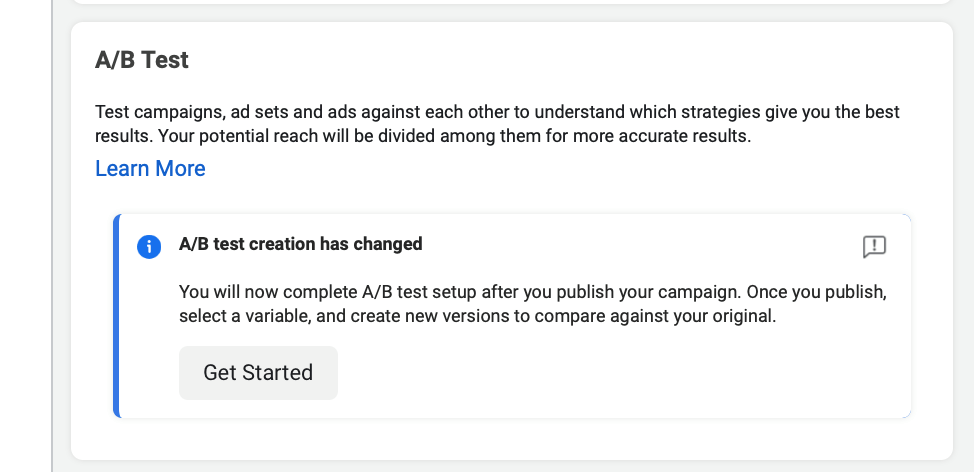
Don’t stop at the first ad. Make different versions of your ad with distinct descriptions, headlines, and CTA buttons. Run Google Ads with these versions and test to see the ones with the best CTR and conversion rate. These tests need to be done continuously if a business wants to succeed on Google Ads.
Right Audience and Spending
Proper campaign management entails a combination of targeting for a specific audience and management of costs. Using Google Ads, you can make sure that your ads will be shown only to prospective clients in your service area who will need to get a roof done.
Combined Strategic Audience Targeting
Location targeting: Make sure the areas you serve are set as the target location, and don’t forget to add cities and regions around where you are serviced. Add specific postal codes or neighborhoods as well.
- Device Targeting: Think about how your audience looks for roofing leads. Would they use a desktop computer more often than a mobile phone? With device targeting, you can modify your bids based on how well each device performs.
- Ad Scheduling: When do you think your customers search for services such as roof repairs? You can set your ads to run during specific times and days, which can be a smart way to optimize your Google Ads spend.
- Bid Strategies should align with your goals to grow your business effectively. There are many strategies to bid with Google Ads. Begin with something straightforward, such as “Maximize Clicks,” to collect data. After you have conversion data, you can use something more complex, such as Target CPA (Cost Per Acquisition).
4. Utilizing Local Service Ads
Consider using Local Service Ads alongside your regular search ads. These ads sit at the very top of the search results on Google, preceding both the paid and organic listings, making them an essential part of roofing marketing. Local Service Ads feature your business name, phone number, star rating if eligible, and a short snippet. The Local Service Ads model of advertising is more focused on leads for your roofing rather than clicks.
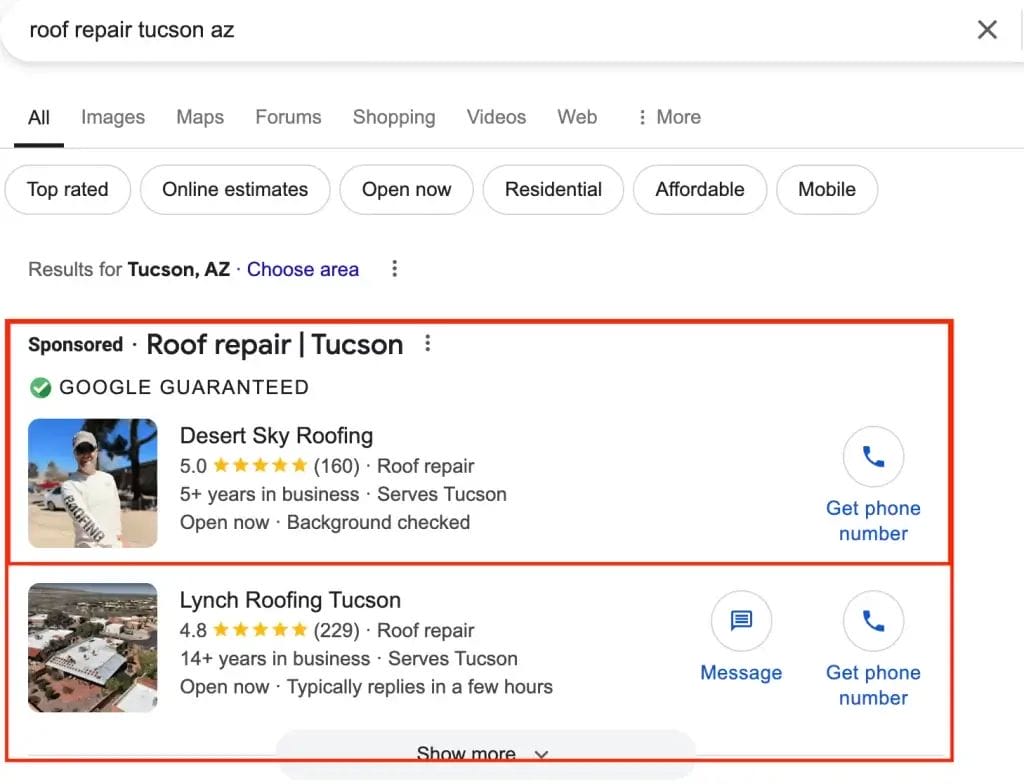
Due to their prime positioning alongside the “Google Guaranteed” badge, trust is built, which is likely to result in higher quality leads and advertising return. Ads of this type are geared towards service-based businesses, particularly in the roofing industry, as they enable customers to easily reach the company for immediate services.
How Local Service Ads Benefit Roofers
Interested clients can reach out for a call or text using the button on the ad. With Local Service Ads, you only pay for qualified leads that are relevant to your roofing services. Local Service Ads are arguably one of the most effective advertising solutions on Google for businesses, specifically roofing contractors.
5. Optimizing Your Landing Page
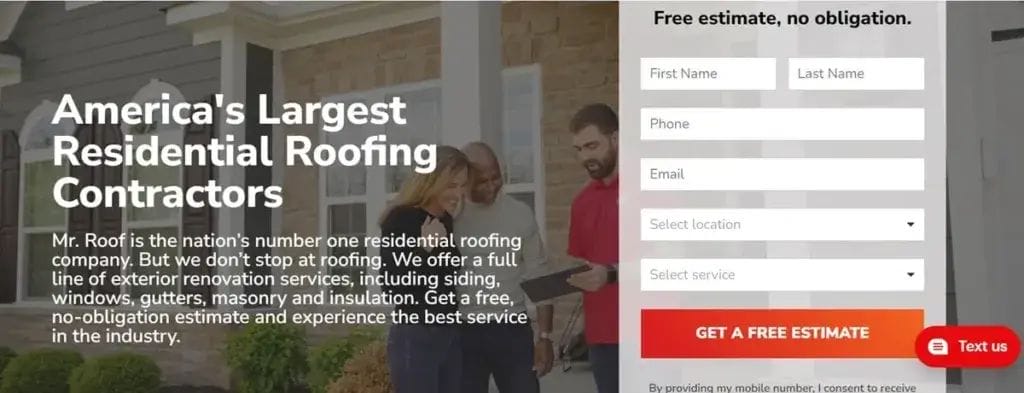
A Google ad leads to your landing page. This page can be as important as the ad itself. A click can be transformed into a real conversion through compelling ad and landing page synergy. Basically, the landing page is where you explain the promise your ad made. It needs to be a space that is well structured, straightforward, fully supplies the information, and guides the user on what to do next.
Regardless of how well your ad has been made, you stand to lose a click if the landing page does not follow through on the promise provided, impacting your Google Ads for roofing. This emphasizes that a well-designed landing page completes the ad, wraps up the talk, and is the final step of the campaign.
Landing Page Best Practices
- Relevance: There is a direct relationship between the content on the page and the landing page, which is crucial for a successful Google Ads campaign. For example, if your ad says “emergency roof repair,” it is essential that the landing page addresses it immediately.
- Clear Information: Customers want to know the scope of services offered. Do not make them look for information.
- Strong CTA: Use a prominent and easy-to-find call to action. These can be labeled as ‘Free Estimates’ or as a text “clickable phone number”.
6. Harnessing The Power Of Ad Extensions
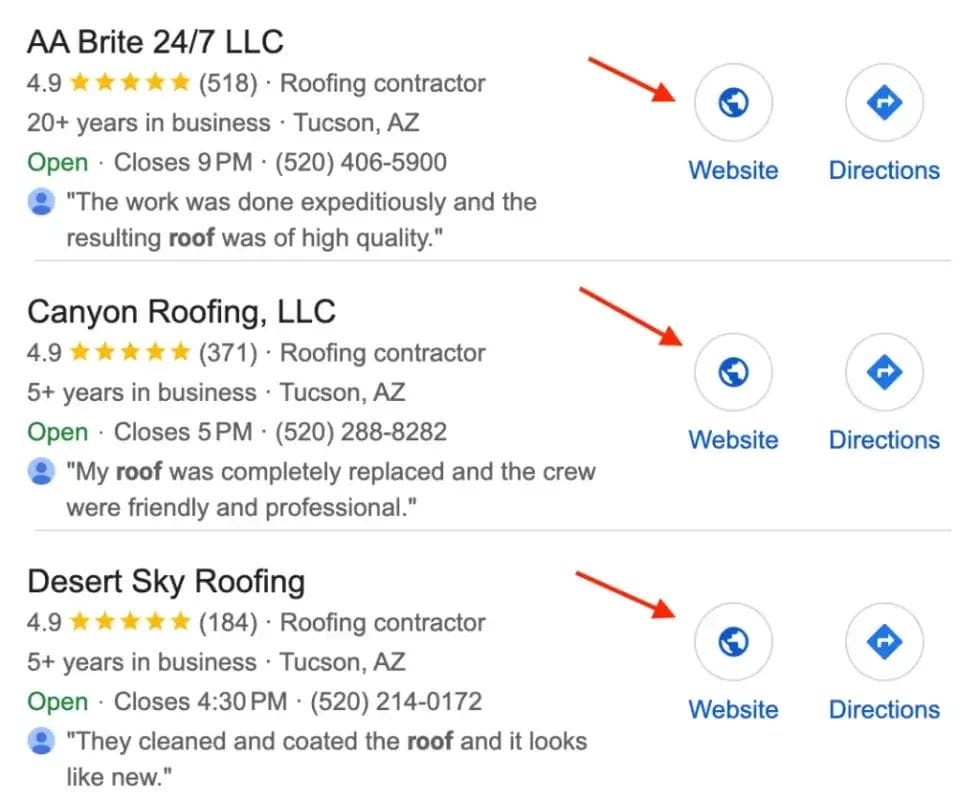
Using ad extensions is one of the best ways to improve the performance of your Google Ad. Ad extensions are extra pieces of information that appear below the ad text. Such extensions increase the visibility of the ad, and the chances of it being clicked increase.
Ad Extensions for a Roofing Company
- Sitelink Extensions: Add links to business information pages like ‘Our Services’, ‘About Us’ and ‘Testimonials’. It makes the customer’s work easier.
- Callout Extensions: Emphasize important things that are not mentioned in the ad text like “Licensed & Insured” and “Free Estimates.”
- Call Extensions: Allow users to contact the company directly from the ad. This makes Google Ads for roofing more effective. This is convenient for mobile users seeking immediate or emergency roof repair services.
- Location Extensions: Connect your Google Ads account to your Google Business Profile to display business locations and provide map links to enhance visibility in roofing Google Ads. This function is tailored for your nearby clients and will improve your roofing business visibility on Google Maps, increasing traffic to your Google Ads for roofers.
Using some of these extensions will optimize your business advertisement making it more competitive in the Google search results.
7. Developing A Smart Remarketing Approach
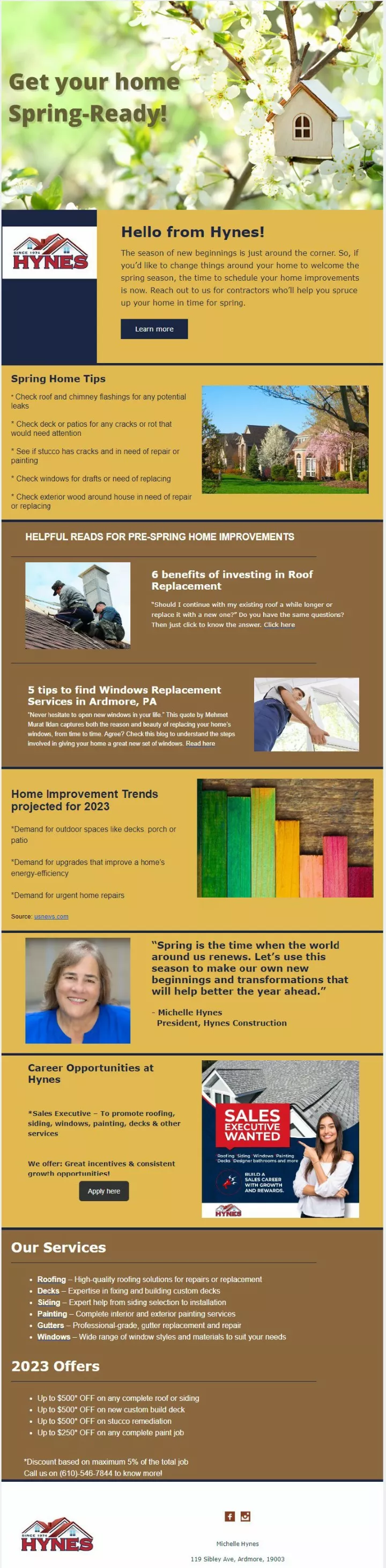
Not everyone who clicks on your Google ad will buy from you on their first visit. With a remarketing campaign, you can show ads to users who have visited your page. This, in turn, allows you to perform advertising and marketing better. This advertising strategy can work to your advantage, for your roofing business, as it keeps you on your customers’ minds and makes them return to your website to convert, finally resulting in high-quality leads.
The remarketing process works as follows:
- Create a Remarketing Audience: Google Ads allows you to create an audience consisting of users who visited your page in the last thirty to ninety days.
- Create Engaging Display Ads: Incorporate images of the roofing and bold messages such as, “Still need a new roof, get a free inspection.”
- Target your Audience: Create a unique ad campaign specifically for this group of users, advertising through the Google Display Network, which includes millions of sites, apps, and YouTube.
Through remarketing, roofing companies can contact potential customers who have visited their sites but are not ready to make a purchase.
8. Tracking and Measuring Success
If you want to optimize your budget, particularly regarding Google Ads, tracking the results of your campaigns is critical. With Google Ads, tracking results on different pivotal areas of your campaign is achievable, and results retrieval can be done on the following critical aspects:
- Impressions are vital in assessing the effectiveness of your roofing PPC efforts. This metric shows how many times your ad was shown to users on the Google search results page.
- Clicks are important metrics to consider in your roofing PPC strategy. This measures the total number of people who interacted with your advertisement and captures the usefulness of the ad copy.
- CTR is the number of clicks divided by the number of impressions, thus having a fraction of clicks. A high percentage is good since it indicates that the advertisement is relevant to the search and is performing well compared to other ads, meaning that the Quality Score in Google’s ranking system would proportionately improve. A low percentage of CTR would imply that the copy is not performing well, and more changes to the advertisement should be made.
To make these changes effectively, it is essential to have a streamlined structure. This can be in the form of a report that focuses on keywords, ad copy, targeting, budget, and the overall Google Ads campaign. It is essential to regularly track these metrics to identify the most impactful changes to maximize profitability.
9. Improving Your Approach
Your Google Ads campaigns won’t drive results while you’re taking a hands-off approach. Your Google Ads campaigns require ongoing attention to detail and datadriven insights to sharpen and maintain success over time. Optimization requires the following steps.
- Look at the Data: Consider it a monthly task to review data from Google Ads and Google Analytics for traffic so you can micromanage everything. Identify keywords and ads which are best statistically to be ignored in terms of engagement.
- Design Tests: Bid strategies including ad copy, the copy on the landing pages, and other critical ad components are changable on a constant basis. New tests can and should be developed and ran on a continuous basis to determine the winning combination and optimal versions.
- Review Search Terms Report: This report is essential as it shows utilization of your ads and the reasons they are triggered. Use it to trim ads and keywords that are beneficial but untapped, yet, and those that are counter-productive and should not be triggered.
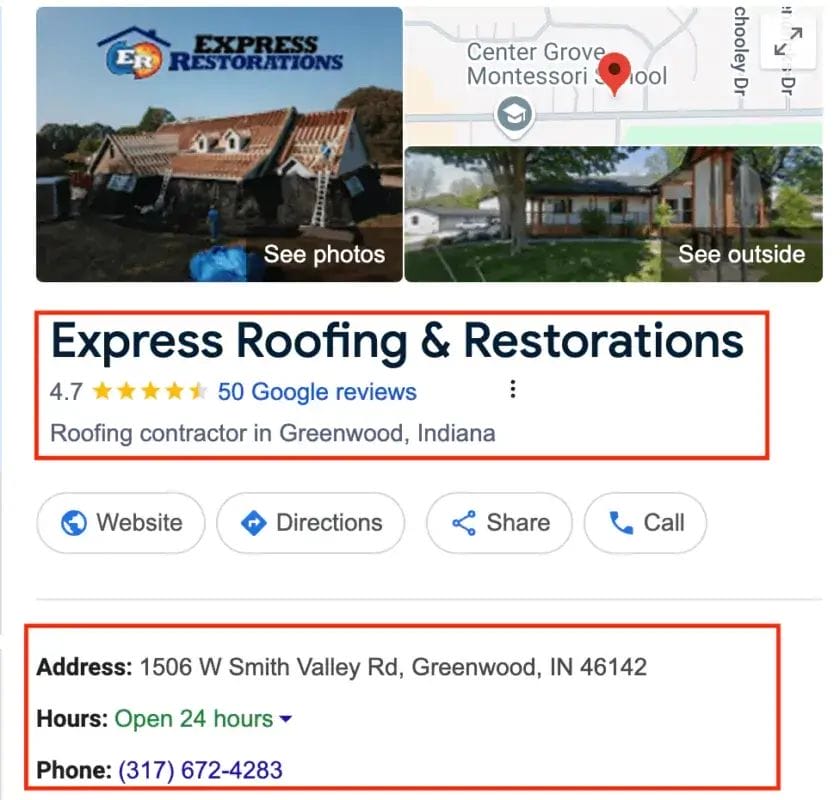
- Review your Google Business Profile: Despite not being part of Google Ads, your Google Business Profile has a significant impact on local searches. Make sure that data is as current as possible, fully populated, and packed with positive reviews to improve your chances of showing on Google map searches and appearing on local search results.
Conclusion
Follow these extensive recommendations and continue to refine your Google Ad strategies to sustainably grow a roofing contractor business. Make sure to check on Google Ads promotions and their new features to stay ahead of the competition and effectively engage potential customers looking for roofing services in your vicinity. A well-planned and actively managed Google Ads campaign will help you become the go-to local roofer in your region.
Strategic keyword bidding, compelling ad copy, and location specific bidding can work wonders. Use call extensions as well as lead form assets to turn interactions to sales. Pay attention to the results of campaigns, and remember to A/B test ad creatives to know what resonates well with the audience the most. Think about remarketing to come back to previous visitors who didn’t convert the first time. Dominating local search results and rapidly building its reputation is easier than ever for your roofing business with the right methods and digital tools.

Vijay Sood is a seasoned digital marketer with a passion for driving online growth and innovation. With a robust background in developing and executing comprehensive digital strategies, Vijay excels in leveraging SEO, content marketing, and social media to boost brand visibility and engagement. His expertise lies in transforming data-driven insights into actionable marketing campaigns, helping businesses achieve their digital objectives.