
In today’s digital landscape, businesses differentiate themselves from their competitors and attract their ideal customers with targeted content marketing. Through sophisticated means of communication such as social media, content marketing further aids in enhancing a business’s brand recognition, audience impact, and overall conversion rate. Thus allowing marketers to provide and promote their unique selling points seamlessly through brief but essential formats in advertising.
Looking to attract traffic through well-designed websites? Then, the answer is simple. Content marketing. Oftentimes, high-quality content serves as the backbone of any website, whether it is a blog, instructional video, or even a sophisticated email campaign. Through the proper format of content marketing, a business can shape the loyalty and devotion a customer holds and guide them throughout the unique, responsive, and appealing buying experience journey a company can provide. This article will delve deeply into ways in which a company or self-employed individual can further achieve milestones with the effective use of content marketing.
How Does Content Work in Digital Marketing?
Content marketing is achieved through matching your content to the interests and needs of your target audience. It starts with knowing the pain points, questions, and desires of your audience. After gaining an understanding of your audience, you can create content that addresses them personally, offering solutions, information, or entertainment tailored to their needs.
The content is shared across various channels, including blogs, social media, email newsletters, and other similar platforms. Your audience consumes your content over time and trusts your brand as an authority in your domain, which in turn results in increased brand loyalty and higher conversion rates afterward.
Key Components of a Content Marketing Strategy
A strong content marketing strategy is built on essential components that guide creation and delivery. These elements ensure your content is goal-driven, relevant, and impactful.
Ask ChatGP
Audience Research and Persona Development: Building out your audience persona is the most vital factor in understanding your target audience. Purchasing digital marketing services requires spending significant effort during the research phase to build out the buyer’s persona. If businesses understand the audience’s needs and challenges, they can tailor content that resonates and resolves particular issues.
Create a Content Calendar: Maintaining consistency in content delivery is crucial for effective communication. A content calendar helps organizations plan and schedule content delivery across various platforms, ensuring consistent content delivery. In this case, determining the most suitable content type (blog, video, infographic, podcast) and identifying topics that add value is critical.
Content Distribution and Promotion: It is critical not only to create content but also to distribute it effectively. A marketing agency offering digital services should devise an all-inclusive distribution plan that includes content sharing on social media, through email newsletters, and even third-party sites. Different content serves different purposes. There are blogs, videos, infographics, podcasts, and even social media posts that provide different, unique benefits.
Optimize for SEO: Search Engine Optimization is an integral part of any content marketing plan. Based on deep analysis and research, content can be optimized by integrating the right keywords for better brand awareness. Digital marketing services can enhance visibility through search engines and fetch valuable traffic to the content.
Promoting Content across Various Channels: In addition to content creation, promotional activities are equally important in driving audience attention. Utilize social media, email newsletters, and even partners to promote the content.
10 Content in Digital Marketing Strategies That Drive Success
Successful content workflows need an effective plan and an equally refined strategy. Launching a content marketing strategy without a detailed plan is likely to result in unsuccessful outcomes. Below are ten strategies for effective digital marketing and content workflows.
1. Evaluate Your Audience and Their Priorities
Knowing your users is very important. It is the core of any content marketing campaign. The marketer needs to understand who they are addressing. What are their unique challenges? What information do they want to know? Constructing digital content around clear objectives ensures relevance. This ensures that every single piece of content delivered matters to the audience and aligns with the overall digital marketing strategy.

- Develop detailed buyer personas. These are imaginary descriptions of your ideal customers. Demographics, hobbies, and pain points should be included.
- Look for frequent issues and questions. Audience and participant surveys can help identify problems that require attention. Additional survey tools, such as audience surveys, can provide valuable insights into the issues that need to be addressed.
- Respond to audience preferences regarding the content. Should they prefer reading, watching video content, or listening? Audience surveys can help you steer the content creation process.
2. Pay Attention to Search Engine Optimization (SEO)
Making content discoverable by prospective customers is essential. This is made easier by SEO or Search Engine Optimization. It ensures that your digital content is available to customers at the right time and place. If relevant searches are conducted, your content will be displayed at the top. Thus, organic traffic will be efficiently brought to your website.

- Relevant keywords should be seamlessly integrated into the content. These keywords must resonate with the audience. Do not overuse keywords, as it can damage your rankings.
- Headlines and meta descriptions should be succinct while changing text. They significantly influence whether a user will click on a search result. Ensure that you phrase them accurately and compellingly.
- Every content should ensure high-quality design. It should provide substantial information to be valuable and comprehensive. Google positively looks upon content that helps users.
3. Broaden the Types of Content You Have Offered
Different prospective customers may consume content in various ways. Outlining multiple content types can capture a wider audience. This supports the brand’s value across many digital channels. Different types cater to varying tastes and learning styles.
- Detailed information should be captured in long blog posts and articles. These are very helpful in explaining complicated issues and brand recognition due to expertise.
- Make engaging video material tailored for visual learners. Concepts can be elaborated using an explanation video. Teaching methods utilizing videos result in better engagement and attention rates.
- Design sharp informational graphics for quick consumption of complex data. Sharable infographics summarising information simplify intricate data sets, providing immediate comprehension value.
4. Build a Strong Blog Presence
A blog serves as a central hub for all digital marketing content. It facilitates constant, diverse updates and positions your brand as a thought leader in the industry. Every blog maintained creates an opportunity for increased visibility through search engines and attracts new visitors.

- Publish consistently relevant content tailored towards audience preferences. Sticking to a set timeline fosters better audience retention.
- Leverage social media marketing to share blog posts. This expands the reach multiplier beyond the website engagement.
- Promote blog post comments and community discussions to foster interaction. This encourages audience loyalty and helps search engines identify a blog’s relevance.
5. Utilise Social Media for Marketing Purposes
Marketing via social media remains relevant now, especially for content promotion. It also significantly contributes to the marketing efforts. Ensure that you distribute your digital artifacts on the channels where your audience is present. Attend to them throughout these digital touchpoints.

- Design effective texts for different types of content on social media and do not use a single post for every platform. Do not attempt to Post everything on Facebook, as it has a broader reach than LinkedIn, which is essential for a successful digital marketing strategy.
- Accompany your messages with graphics and videos to get instant attention. The use of visuals captures attention immediately and increases the likelihood of interaction.
- Establish contests and polls or ask questions interactively to engage your audience during the awareness stage. This humanizes your brand and gives scope for relatability.
6. Execute Strategic Email Marketing
Often viewed as obsolete, email marketing remains one of the most potent strategies for communication. You can use this tool to communicate directly with people and customize every message. Create digital content and maintain relationships with subscribers through targeted email communications.
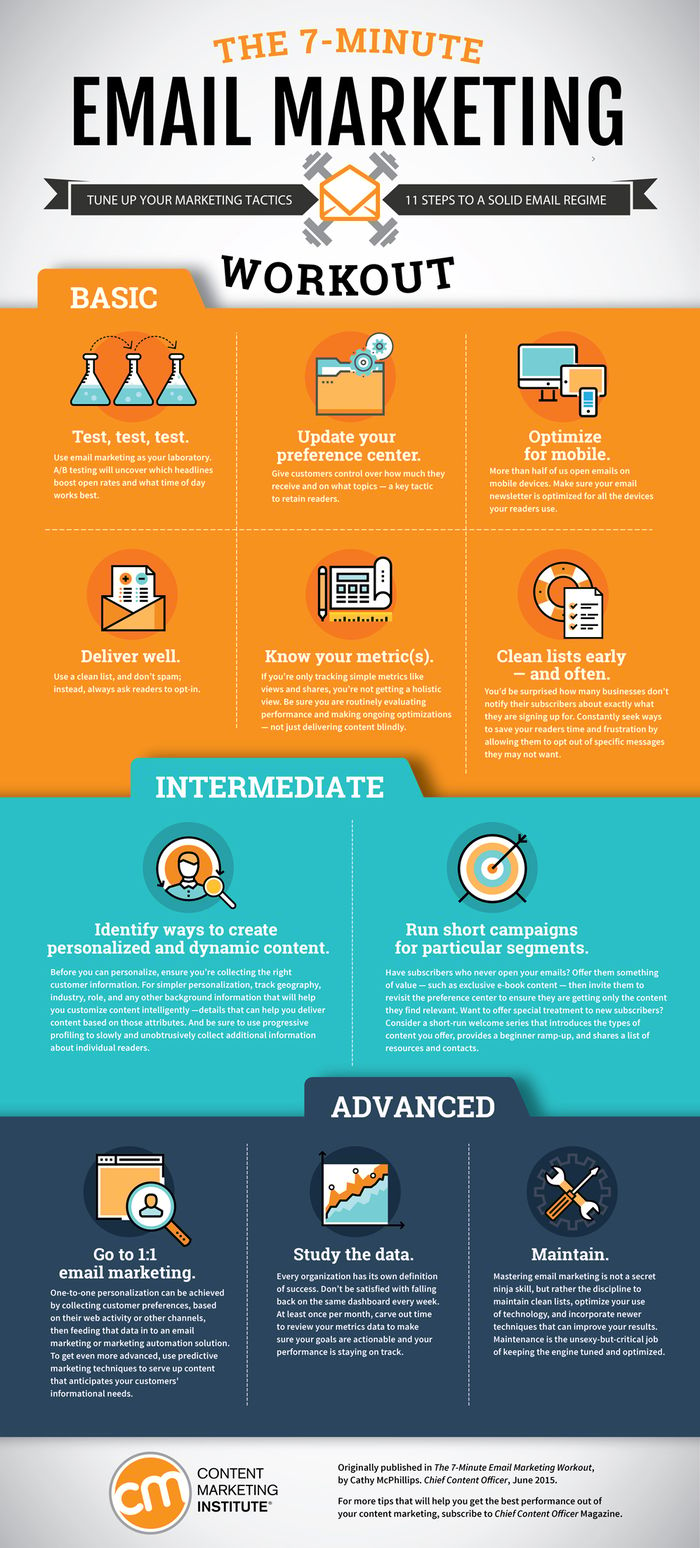
- Update your audience with new content by sending emails in a newsletter format. Share concise previews and clickable links to your blogs and videos to enhance brand awareness.
- Tailor relevant messages to different groups within your audience by segmenting an email list. Send tailored emails to the determined groups.
- Offer them exclusive content or give them first access to your subscribers as a reward for their loyalty. This encourages people to join your newsletter and remain subscribed.
7. Develop Premium Downloadable Content
Some pieces of digital content are more substantial and valuable. These are often referred to as content assets. They are designed to provide comprehensive information or functional tools. They are suitable for lead generation and contact capture.
- Create detailed white papers or long e-books as different types of content to provide in-depth insights. These provide comprehensive solutions to industry-wide challenges.
- Provide functional templates, checklists, or toolkits to support effective decision-making. These assist your audience with the solution in a direct manner.
- Use these content materials as lead magnets on your site. Ask for an email address to download, growing your subscriber list.
8. Work on The Converting Stage
Every piece of online content must have a purpose. Attracting someone is not enough; therefore, your audience should be turned into regular customers. Customers follow several stages before formulating a decision along the customer journey; the content must facilitate every stage of the journey.
- Design remarkable case studies filled with client success stories. They provide essential proof alongside aiding in demonstrating value.
- Create promotional materials, such as product demonstrations or educational webinars. These directly display your services or products while using your brand name.
- Make sure your authors put unmistakable and compelling calls to action in their respective articles. Tell your audience exactly what step to take next.
9. Measure and Analyse Performance
A proactive marketer needs always to measure results achieved and adjust content strategies accordingly. This assessment will highlight the successful content strategies. It identifies areas for improvement and ensures resources are well spent. Your overall content marketing strategy benefits from decisions made based on the data collected.

- Monitor traffic to your website and check the bounce rates for specific pieces of content. This will indicate how captivating your content is.
- Measure the conversion rates for various types of content, as well as the effectiveness of calls to action. Analyse which content yields the desired results.
- Analyse engagement metrics for social media posts. Pay attention to the likes, shares, comments, and reach. Revisions of the content marketing strategy should be based on insights obtained. Aim to improve over time.
10. Foster a Culture of Continuous Content Creation
Content creation is a never-ending endeavor because it takes time to create content. Consistency is key. Motivation comes from encouraging your marketing team to be creative. Responsiveness to new trends and audience feedback is imperative. “The future belongs to those who learn more skills and combine them in creative ways,” said a famous author. This quote serves as a direct reminder for teams responsible for crafting valuable content.

- Organise structured idea-generating campaigns and update your content calendar appropriately.
- Acquire the necessary equipment and tools that facilitate the effective production of content. This encompasses design programs, video editing software, and content management systems.
- Promote self-improvement and skill enhancement within the marketing team to boost their inbound marketing efforts. Assist with training for new content forms or other digital channels.
Conclusion
The importance of digital marketing, as well as content, cannot be overstated. They serve a greater purpose than mere traditional advertising. The emphasis is on the creation of real relationship and adding value. Companies adopting these specific content strategies have the most to gain. Companies can obtain potential customers quite effectively. They will boost brand reputation and gain credibility in the business world.
A well-designed content marketing strategy ensures long-term positive results and expansion. It ensures a continuous supply of quality content that impacts the audience and supports their awareness stage. This provides any marketer the ability to fulfill their dream and generate a steady customer base.

Vijay Sood is a seasoned digital marketer with a passion for driving online growth and innovation. With a robust background in developing and executing comprehensive digital strategies, Vijay excels in leveraging SEO, content marketing, and social media to boost brand visibility and engagement. His expertise lies in transforming data-driven insights into actionable marketing campaigns, helping businesses achieve their digital objectives.

