Few subjects raise so many questions. One such topic is postback URL tracking. To most marketers, an affiliate postback is one of the most frequent sources of technical headaches. Most affiliate marketers will have some understanding of what a campaign URL is, where a landing page fits into the overall funnel, and general knowledge of affiliate tracking. But postbacks? The below article describes what postbacks are and how they are used in affiliate marketing.
What is a Postback URL?
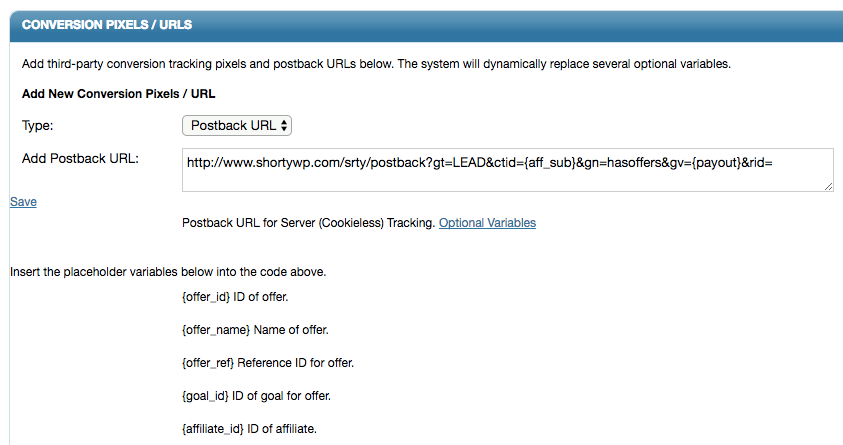
The postback URL is a basic URL with extra parameters that are invoked whenever a conversion occurs. The URL contains data parameters, such as click ID, conversion value, and placement ID, to log in to the affiliate network server or tracking server, allowing the authenticity of the conversion to be verified.
As a marketer, you’ll be impressed with the diversified advantages of Postback URL tracking, where you can assign attributes to ads, such as placement ID and channel ID.
As an affiliate marketer, you require some analytics to run an effective campaign, but astonishingly, you cannot place an analytics code on the ‘thank you’ or conversion page.
How Postback URL Tracking Works (The Mechanism)
The postback URL tracking mechanism is beautifully simple but astonishingly effective. When the user clicks a link from an affiliate, the affiliate’s program adds a distinctive identifier, traditionally referred to as a click ID, to the URL. The click ID is subsequently forwarded to the advertiser’s site. When the user performs a specific action, such as making a purchase, registering, or submitting a lead, the advertiser’s server logs this conversion. Importantly, in addition to the data concerning the conversion, the initial click ID is also saved.

After the conversion, the postback URL supplied by the affiliate solution or affiliate program will be called by the advertiser’s server. The postback URL has placeholders for several data points, such as the click ID and, possibly, the conversion value. At the time the postback URL is called, placeholders are substituted dynamically with actual conversion data from the advertiser’s server. This “server-to-server” communication is what renders postback tracking so reliable, as it is independent of user browser settings and internet connection, which often change other mechanisms. All the postback URL parameters contain a specific piece of information, and the affiliate marketer can leverage these to track conversions with great accuracy.
Why Postback URLs are Better than Pixel Tracking
Pixel was the default method of conversion tracking in online campaigns for many years. A pixel is a tiny piece of code that one places on a landing page or conversion page, which gets triggered when a user lands on it. With the advent of ad blockers, privacy controls, and browser restrictions (such as Intelligent Tracking Prevention on Safari), pixel-based tracking has been significantly impaired in its reliability. Most customers block pixels now, resulting in sub-reportable conversions, and the marketer’s data is, therefore, not accurate.
Postback URL tracking, as server-to-server (s2s), however, doesn’t suffer from these client-side issues whatsoever. Since conversion data is sent directly between servers, it effectively proves ad blockers and browser privacy settings. This gives the marketer a significantly higher degree of confidence in the validity of their conversion data, enabling them to make more informed decisions about optimizing ad campaigns. The added security and reliability make postback URLs the tracker method of preference for serious affiliate marketing experts and advertisers seeking sound performance figures.
Key Components of a Postback URL
A postback URL is a special web address that consists of several data points or parameters. The parameters are required to pass specific conversion information back to the tracking platform. The structure may differ, but in the example of an affiliate network system, an example postback URL would look something like this:
https://yourtracker.com/track/postback?cid={clickid}&value={conversion_value}&status={status}
Here:
- https://yourtracker.com/track/postback is the default URL provided by the tracker software from which the postback call is initiated.
- cid={clickid} is a parameter that will be replaced dynamically by the unique click ID created on the occasion of the first click. This is likely to be the most essential parameter for valid attribution.
- value={conversion_value} is a second parameter representing the revenue generated by the conversion, allowing the marketer to compute earnings.
- status={status} is an argument used to specify the status of the conversion (i.e., pending, approved, or rejected).

Each of these arguments is designed to serve a particular purpose in enriching the data of the conversion, enabling the affiliate marketer to gain vast information about their campaigns. Proper configuration of these postback URL arguments is crucial for optimal conversion tracking.
Advantages for Affiliate Marketers and Advertisers
The use of postback URLs is of immense benefit to all the stakeholders in affiliate marketing:
- Improved Accuracy: Since postback tracking occurs on the server side, it is less susceptible to client-side issues, such as ad blockers or browser privacy settings. This results in more accurate and complete information for marketers regarding their track conversions, hence improved optimization data.
- Fraud Prevention: The nature of postback URLs being S2S makes them significantly more difficult to fake or manipulate than pixels. This enhances trust between the advertiser and the affiliate marketer because it is more difficult to create fraudulent conversions.
- Enhanced Security: Sensitive conversion data is not revealed on the user’s browser, minimizing possible security threats related to client-side pixels. It maintains user privacy and ensures data integrity.
- Deeper Insights: Since postback URLs have the potential to hold more than one parameter, they can contain more specific conversion data, such as product information, conversion amount, or user demographics. This provides the marketer with deeper insights into their ad campaigns and allows them to optimize their approach more effectively.
- Reliable Optimization: Precise conversion tracking empowers marketers to make informed decisions. They can scale successful campaigns with confidence, shift budgets from underperforming ones, and continuously optimize their advertising for maximum ROI. This is beneficial to the advertiser as well in that they only pay for confirmed, quality conversions.
Challenges and Considerations
Although highly beneficial, the use of postback URLs requires careful consideration. The first installation may be more complicated than simply dropping a pixel code, as one must have a good understanding of how the parameters function and ensure adequate setup on both the affiliate’s tracking software and the advertiser’s server.
Compatibility between various tracking systems or between affiliate networks may occasionally cause issues, necessitating thorough testing and possibly fine-tuning of the URLs and their accompanying parameters. Consistently generating click IDs and passing them correctly between sites is crucial. Aside from these minor points, proper conversion tracking has the advantage of being daunting for any committed affiliate marketer, particularly in the initial learning phase.
Conclusion
With competition in affiliate marketing, accurate and correct conversion tracking is no longer an added expense but a requirement. The postback URL is the gold standard here, providing unparalleled security, accuracy, and depth of conversion data. Through direct server-to-server communication, it bypasses the inherent problems of client-side pixel tracking, giving advertisers and marketers accurate information on their campaigns.
As online advertising shifts toward greater privacy and data clarity, mastering affiliate link tracking and optimizing postback URLs is becoming essential. A reliable tracking method, supported by the right affiliate tracking software, is key to maximizing performance and profitability.

Vijay Sood is a seasoned digital marketer with a passion for driving online growth and innovation. With a robust background in developing and executing comprehensive digital strategies, Vijay excels in leveraging SEO, content marketing, and social media to boost brand visibility and engagement. His expertise lies in transforming data-driven insights into actionable marketing campaigns, helping businesses achieve their digital objectives.