
The restaurant space has its unique competition, and you will need peculiar restaurant marketing strategies if your business is to gain the required traction. Coming up with an effective plan for your first venue and sustaining it for the rest of your venues is no small feat. Creative restaurant marketing ensures that new diners are drawn in, while loyal customers are assured of returning to the best restaurant in town.
With countless restaurant marketing and promotion options available, not every restaurant is guaranteed to have a successful strategy. It is crucial to experiment with various marketing concepts and trends to determine what works best for the audience you are trying to attract. To help you craft a tailored marketing strategy for your restaurant, we’ve compiled a helpful guide featuring a range of promotional ideas. In this article, you’ll discover 15 innovative restaurant marketing ideas and trends designed to increase foot traffic and enhance your profitability.
What is a Restaurant Marketing Strategy?
A restaurant marketing strategy is used to increase sales and profits while attracting guests to your establishment. Some methods include advertising, event hosting, promotion, customer relations, loyalty programs, customer service, menu design, pricing, and even the location of your restaurant, all designed to facilitate business growth. A successful restaurant strategy builds brand reputation while also ensuring that the restaurant dining experience is pleasant enough to enable repeat visits. It helps to know the target audience and tailor the offerings to their desires for better restaurant promotion.
With numerous social media platforms and food influencers, your restaurant can easily stand out with a well-thought-out dynamic marketing plan. Marked themed nights, seasonal campaigns, as well as particular discounts during slow periods, drive traffic and increase sales. In all cases, strong marketing drives positive growth, expands the customer base, enhances customer relations, and strengthens the restaurant’s market position within the restaurant industry.
15 Restaurant Marketing Ideas to Boost Sales
Don’t stress: your marketing plan can be simple, so to get started, make sure to check out these creative 15 restaurant marketing ideas.
1. Establish Your Brand Identity
Creating an easily recognizable brand is one of the most critical marketing tactics a restaurant can use; however, many restaurant owners skip this crucial step in their restaurant promotion. To define your brand identity, you need to engage in effective restaurant marketing and ensure that patrons remember your restaurant long after they’ve dined there.
Building your brand calls for some creativity, but can be simplified into these four main steps:
Step 1: Create a restaurant mission statement that captures the reason for your restaurant’s existence and its intended impact. For instance, Sweetgreen’s “mission is to inspire healthier communities by connecting people to real food.”

Step 2: Identify how your restaurant’s price, product, promotion, and place compete with other restaurants in your area to effectively carve out your market entry.
Step 3: Refine the tone and language used to address customers during communication to formulate your brand voice.
Step 4: Formulate your brand’s look and feel, which encompasses the logo, decoration, and so much more. Take Dunkin’ for example: they are easily identified by their bright orange and pink font.
After creating your brand identity, ensure that all your marketing materials have the touch that customers will remember. Ensure your restaurant slogans and tag lines are in unison with your brand voice.
2. Build A Website And Optimize It
You can now find restaurants on search engines like Google as well as their menus. Building an active and up-to-date restaurant website enables you to attract new customers who are seeking places to eat. If you don’t have an online presence, your business will be lost to competitors who can be easily found on the internet.

To create the website, follow these four steps:
Step 1: For restaurant website design inspiration and similar sites, browse the internet for ideas.
Step 2: Gather all the necessary information and decide on colors and layout for your site.
Step 3: Choose a name for your website and create it using website builders like Wix or Squarespace, adding a reservations or online ordering widget.
Step 4: Publish your site and inform family and friends of the newly published site.
When building the website for your restaurant, pay attention to where you place essential business information such as the menu, business hours, contact number, address, and location.
3. Advertise your Restaurant on Food Delivery Platforms
If you work with delivery partners like Uber Eats and DoorDash, a whole lot of restaurant marketing options are at your disposal. While every company is a bit different, most offer easy advertising options for your restaurant. These tools can help you increase your reach and advertise your restaurant on these apps, ensuring it is displayed prominently when users search for a particular cuisine type or restaurants in a specific area.

For example, Uber Eats offers the option to set up Sponsored Listings, which display your restaurant in the feed for a specified period. Be careful, though, these sorts of benefits usually cost extra.
4. Sign up on the Major Business Directory
Searching for “restaurants near me” is a common query that accounts for a large portion of online searches. When prospective customers search for this term on Google, they will be presented with three top results.

Getting your restaurant listed does not have to be hard work; simply having a profile will go a long way! A profile on Google, Yelp, or TripAdvisor will significantly increase your chances of being featured on these platforms and will consequently translate into increased bookings and revenue.
As much as adding your restaurant to these sites is essential, taking additional steps to optimize these listings is also crucial:
- Ensure that all your business information is consistent across all channels.
- Operating hours, business location, name, and phone number must be identical everywhere.
Respond to any reviews you receive and ensure you respond to them promptly. Local search ranking is affected by the review and response window, overall review count, rating, and responses to reviews over time.
5. Look for Partnerships with Social Media Influencers
A data and analysis company named Morning Consult published a finding that stated 50% of millennials trust recommendations from influencers, while approximately 33% of Gen Z have made purchases endorsed by influencers.

This only supports the effectiveness of influencer marketing. Therefore, it is a wise decision to pursue influencer collaborations if you aim to expand your reach.
However, a few aspects you need to keep in mind are:
- Do not max out followers: Often, larger brands or companies seek content creators or influencers who fit their ideal template. However, always remember that bigger isn’t always better. Try to find influencers who match your ideal buyers and whose content is relevant to your brand’s industry. Instead of macro-influencers, a micro-influencer with a loyal audience base might achieve better results.
- Examine the Influencer’s Interaction Metrics: An important consideration in determining audience engagement is analyzing the likes, comments, and shares on an influencer’s posts. Engagement rates that are significantly higher than the follower count signal a genuine connection with their audience, which is beneficial when promoting your brand.
- Work with Influencers That Truly Admire Your Brand: A large group of consumers these days can identify inauthentic promotional posts. Therefore, they are crucial in identifying influencers who genuinely use your product and enjoy visiting your outlet. They will sell the product/brand on their social media with passion, which in turn makes for more effective and authentic advertising.
6. Custom-Tailored Marketing Approaches Using Emails
Marketing emails tailored to each customer can significantly boost your revenue. A great example of a customer newsletter that works well is a restaurant newsletter. You can create cohesive content based on customer data from several touchpoints. However, keep in mind that the most critical factor for successful personalized marketing is striking a balance between utilizing customer information and respecting the customer’s privacy.

Always ensure you have obtained consent before using a customer’s personally identifiable information (PII) for marketing purposes. Additionally, respecting customer preferences regarding how they receive communications is crucial for maintaining trust and goodwill in the restaurant business.
7. Implement Digitalized Loyalty Programs
Digitalized loyalty programs are essential in helping your business build customer relationships, drive repeat visits, and collect invaluable customer information.

Here are some key strategies we’ve highlighted to enhance your implementation:
- Choose the right platform: Select a digital loyalty program that aligns with your restaurant’s objectives and needs. Ensure that it offers mobile app integration, customizable reward structures, and robust analytics capabilities to track guests and their activities.
- Streamline sign-up process: Empower your guests to easily and effortlessly join your loyalty program. This can be done via your website or mobile app, or by using QR code menus, allowing customers to enroll at their convenience.
- Personalize rewards: Design the program rewards using data analytics based on customer preferences and behaviors. Offer discounts on future purchases, complimentary menu items, or exclusive access to private events tailored to each customer based on their purchasing history and spending habits.
- Promote referral incentives: Reward existing users to encourage them to invite their friends and family to join your program. Grant both the referrer and the new member some bonus rewards to appreciate their advocacy and loyalty.
8. Strategically Craft Marketing With Your Brand’s Values
For 40% of consumers, intended values did not matter when making a purchase, but they will have an impact shortly. Sharing your brand values and community involvement on your website will allow diners who share those values to know your brand.
Here are a few ways to adapt more to the values consumers will prioritize in 2025:
- Commitment to local and/or small businesses: Pull together a video montage displaying all the local farmers and suppliers you buy from.
- Sustainability practices, like eco-friendly packaging: Install a waste disposal system in your restaurant that has designated bins for recycling, compost, and waste, and use biodegradable cups and utensils for takeout.
- Carbon neutrality/zero emissions: Inform your customers about the measures being taken to reduce the carbon footprint, such as the use of QR code menus instead of paper, food waste reduction, and energy-efficient lighting, in your monthly newsletters.
- Charitable contributions and giving back to the community: Promote nonprofit and community partnerships on social media, and also organize events that give back to the community.
9. Make an Investment in the Marketing Efforts of the Area
The reality is that most restaurants cater to local clients. As much as 16% of diners discover new restaurants through in-person engagements, so ensure that it holds some visibility in the set market.

Starting from engaging in local food fairs and expos to releasing Google and Yelp posts, there is quite a bit of work to be done.
- Optimize your Google and Yelp restaurant profiles for local customers.
- Local joint marketing partnerships with other community businesses.
- Showcase your wares at local food and trade fairs/expos.
10. Offers and Promotions
Under digital marketing, the following promotions can help attract diners:

- Loyalty Programs: Tiered loyalty programs with discounts based on dining history give early access to menu changes and special occasions.
- Seasonal Specials: Limited seasonal or holiday-themed menus bring customers back, enabling the capture of repeat business and enhancing customer loyalty.
- Happy Hour: Discounted drinks and appetizers drive demand during quieter business hours.
11. Work on Content Marketing
Dazzle everyone with vivid shares of ideas on restaurants and food by engaging verbiage:

- Blogging: post about the restaurant’s heritage or describe the culinary traditions, along with exhibiting chef biographies.
- Multimedia: Create materials featuring client reviews, as well as behind-the-scenes activities of the kitchen, such as cooking lessons and customer testimonials.
- Social Media Stories: Utilize Facebook and Instagram stories to share a more dynamic and engaging account of daily activities at the restaurant.
12. Make Use of User-Generated Content
Social media offers a different way to interact with your followers and fans through user-generated content. As the name suggests, user-generated content refers to the work that guests create, such as videos, photos, and posts.
Let’s imagine one of your best-selling dishes gets featured in the Stories section of Instagram by a well-known foodie on that platform. Now, here’s how you can share their story on your page:

Click the paper airplane symbol under the post and choose the option “Add Post to Your Story.” You get a message in your inbox notifying you, for example, if a fan tags you in their story. Click on the message, and then choose the option “Add This to Your Story.”
While Instagram Stories are the most effortless way to share content created by other users, you can apply this approach to pictures on your Instagram feed, Twitter feed, and Facebook page. No matter the platform, marketing your restaurant using user-generated content is a powerful tool in the restaurant business. simple task because your consumers are actually doing the work of creating great content for you.
13. Create a Newsletter
While we are on the topic of emails, rest assured that one of the most common types of email marketing for restaurants is a newsletter sent to the email list. A newsletter is an email that contains the latest news or updates coming from your restaurant. It can also include entertaining content, such as blogs, staff stories, recipes, and promotions. What is excellent about newsletters is that they can come in various forms and be sent out at different frequencies, such as weekly, monthly, quarterly, and so on.
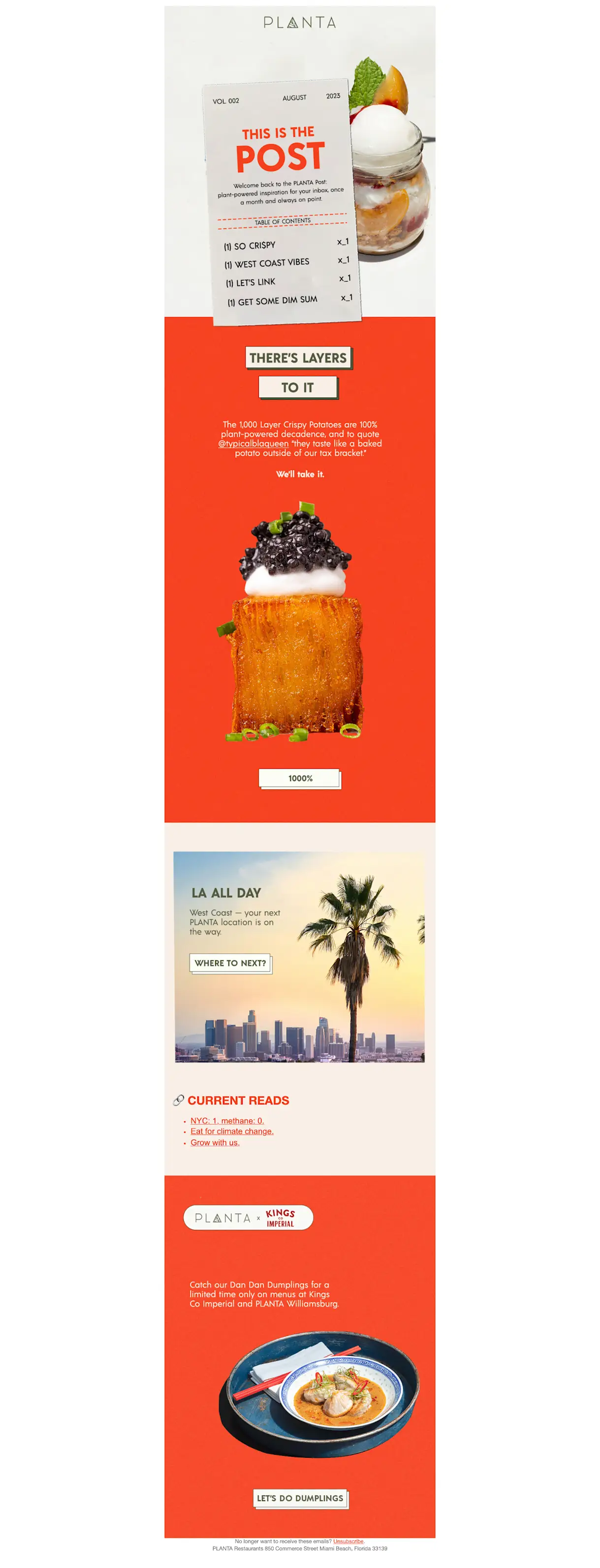
A restaurant newsletter is more effective than sporadic emails because the structured frequency of sending restaurant emails helps keep your restaurant top-of-mind for customers, nurtures patronage, strengthens customer relationships, and fosters loyalty over time.
14. Try WiFi Marketing
Restaurants that provide free WiFi have the additional advantage of utilizing WiFi marketing for restaurants, enhancing customer loyalty. Collecting a customer’s name and email in exchange for free WiFi is WiFi marketing. It so is using the information to send targeted offers that encourage them to return for a meal.

Here’s a simplified outline:
- When a guest enters your restaurant, they receive a splash page on which to enter their name and or a social media account to log in to Duo.
- After paying with their social media account or email, guests are clocked in for Polish internet.
Now that you have their contact information, you can market to them. Coupons, promotions, or other personalized marketing campaigns can be sent. The only way to redeem these offers is by physically returning to your restaurant.
With the following steps, you can leverage WiFi marketing to boost repeat customers:
- Step 1: Get a WiFi connection set up by your local Internet Service Provider.
- Step 2: Choose a provider to handle your WiFi marketing campaigns. Make sure that they offer reporting, campaign execution, and social media integration.
- Step 3: Initiate your first campaign by setting up an automated email trigger.
- Step 4: Evaluate coupon redemption rates to measure campaign success.
15. Launch a Contest or Giveaway
Operating a giveaway or contest is perhaps the best way to engage clientele about your restaurant. These can range from simple social media giveaways to elaborate multi-platform contests with significant rewards. In any format, restaurant contests are a great way of harnessing new business while increasing customer engagement. Research indicates that brands achieve an average of 17500 social media fans and 34% of new customers just by running contests.

To get you started, here are some of the most popular contest ideas for restaurants:
- Gift cards can be exchanged for a promotion, such as reposting a picture from your restaurant’s Instagram page or engaging with a new menu item via Mascocious’s suggestion.
- Gain likes and followers through asks for engaging interactions, such as the famous caption, “Like, Follow, Tag to Win!” which allows users to comment, tag, and win rewards, enhancing customer loyalty.
- “Caption this photo!” Have users post and submit captions for a designated period, where the best subtitle earns a prize, contributing to effective restaurant promotion.
- Run branded product giveaways involving sweatshirts, hats, or tote bags. Bonus points for advertising whenever the winner wears your merchandise!
- Create urgency and excitement by using time-sensitive contests that require customers to place orders for a particular meal within specific time frames, such as certain hours or days.
Final Thoughts
For those who invest in creative marketing solutions in the restaurant sector, more opportunities can be found. It is no longer just about serving food; every dish needs a story, and every cuisine must provide an experience. While considering restaurant marketing ideas, take note of the need for originality that is unparalleled.
With proper online engagement and social media interaction, a flexible response to customer needs will win their loyalty. And so, let’s embark on applying innovative ideas for advertising restaurants that food lovers will appreciate for all time.

Vijay Sood is a seasoned digital marketer with a passion for driving online growth and innovation. With a robust background in developing and executing comprehensive digital strategies, Vijay excels in leveraging SEO, content marketing, and social media to boost brand visibility and engagement. His expertise lies in transforming data-driven insights into actionable marketing campaigns, helping businesses achieve their digital objectives.

