
The digital transformation is fully underway in the healthcare industry, driven by a deep understanding of the healthcare market. Marketing for clinics, hospitals, and even pharmaceutical businesses is not an exception to healthcare marketing strategies. Digitized marketing and advertising is being used not just to market services but to improve patient care and ensure healthcare success as well as allow healthcare systems to remain relevant in a shifting market.
Healthcare services are increasingly consumed over the internet, so having a strong brand presence through social media marketing on various platforms is a core tenet of a healthcare brand’s success. Digital marketing entails meeting the healthcare brand’s goal visually, strategically, and in an economically sound fashion, essential for healthcare clients today. Marketing digitally requires improving the overall patient experience, gaining patient trust, and subsequently enhancing the marketing efforts to improve accessibility to care services.
Why Digital Marketing is Important in Healthcare
Patients have become more knowledgeable about health marketing and the role of healthcare brands in their decision-making process nowadays. Patients with internet access conduct some basic research on their own, which helps them to become even more informed about their condition, potential specialists, and available hospitals and clinics. Healthcare services have to recognize and align with the new changes by enhancing their online presence through effective digital marketing services offered by a full-service healthcare marketing agency.
Various Roles of Healthcare Digital Marketing Agencies
Increasing Website Visibility (SEO & Local SEO)
One central goal of these agencies is to ensure healthcare professionals are easily accessible when patients search online for medical services, enhancing their marketing campaign effectiveness. That means redirecting websites and online profiles towards being search engine optimizable (SEO) and locally search engine optimizable (Local SEO) so that hospitals and clinics can come up highly in related search terms (e.g., “pediatrician near me”).

By optimizing the website and content to contain medical keywords (such as “best cardiologist near me” or “pediatric asthma treatment”), health marketing agencies greatly enhance organic search positions. And naturally, they also employ local SEO to obtain better-located positions in the target region. This is a careful process that involves optimizing Google My Business listings with proper service lists, business hours, and frequent posts, which is highly crucial to capture local patient searches.
Content Marketing and Patient Education
Agencies create and disseminate useful, pertinent, and informative content in the form of blog posts, videos, infographics, and FAQs. The content informs patients about health conditions, treatments, and wellness recommendations, positioning the healthcare provider as an expert and trusted advisor. Educational blogs (e.g., “Managing Diabetes Naturally”) are the focal point for establishing expertise and patient education.

End-to-end healthcare marketing plans include explainer videos and custom FAQs as major elements, breaking down complex medical details. Downloadable PDF guides covering diseases are part of the healthcare full-service marketing plan, providing in-depth resources.
Reputation Management and Trust Building
Good online reputation is more important than ever in healthcare. Agencies actively manage and monitor online reviews and testimonials on sites such as Google Reviews. They make efforts to start positive reviews, respond to complaints, and protect the reputation of the provider, which directly affects building trust among prospective patients through effective marketing solutions. This includes pro-active measures of creating patient reviews on key platforms such as Google My Business, Practo, and certain doctor review sites.

Agencies also utilize automated review reminder systems through SMS or email after an appointment. Most important of these is responsive review management, or responding efficiently and professionally to every review, good and bad alike, as a signal of listening and being dedicated to patient satisfaction.
Patient Communication and Involvement
Social media and email marketing are used by digital marketing agencies to target patients with direct and personalized communication. This includes the posting of health awareness messages, posting patient success stories, conducting Q&A sessions, sending reminders for appointments, and providing personalized health updates.
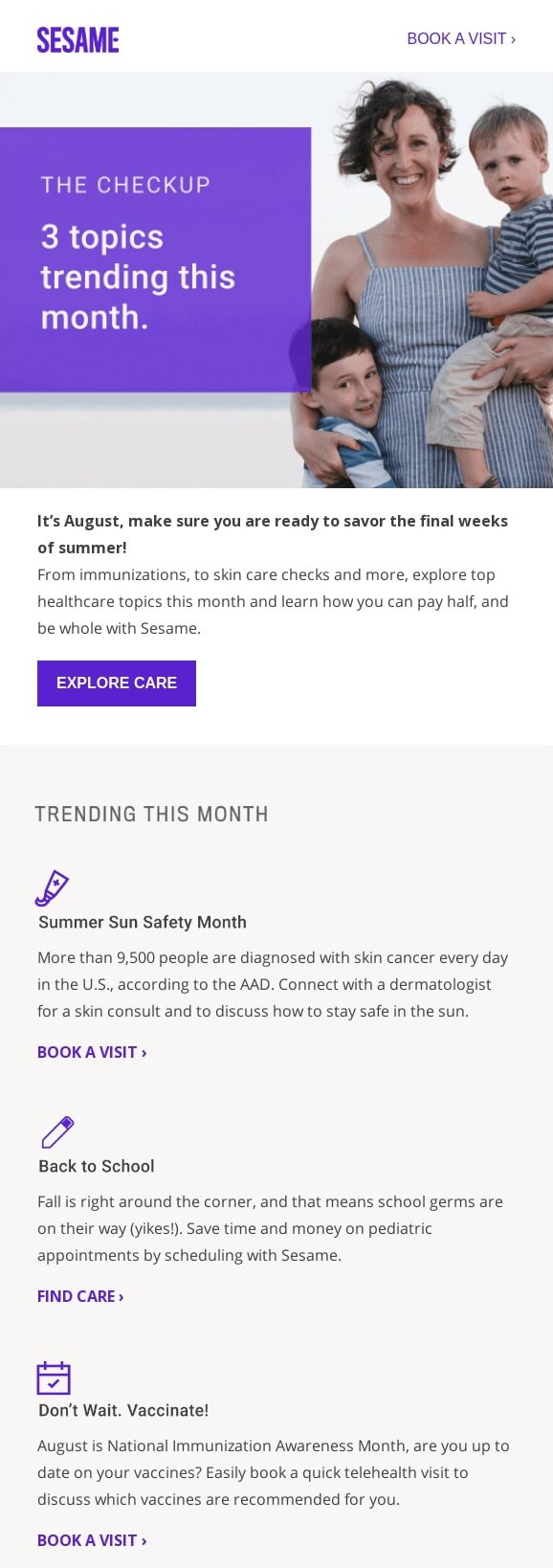
They handle social media community participation, where they regularly interact with their followers on sites such as Facebook, Instagram, and X (formerly Twitter), posting replies and joining relevant discussions to create a good online reputation. Personalized mailings are created to provide focused messages, like health advice for various age brackets, flu vaccination reminders, and post-procedure follow-ups.
Targeted Advertising (PPC & Social Media Advertising)
Agencies create and execute focused ad campaigns on search engines such as Google Ads and social media marketing platforms like Facebook, Instagram, and LinkedIn. This facilitates healthcare providers in reaching out to targeted populations based on location, age, interests, and health issues, thus drawing new patients and encouraging specialized services through tailored marketing efforts.

Highly focused Google Ads campaigns for specific medical services (for example, “dental implants Florida” or “infertility treatment Miami”) fall under this category. They utilize sophisticated audience targeting capabilities on social media sites, such as custom audiences, interest-targeted advertising (for example, “mothers with toddlers” for pediatric care) and demographic targeting.
Common Challenges in Healthcare Digital Marketing
Compliance & Privacy
Agencies deal with strict legal requirements; HIPAA in the U.S. and GDPR in the EU impose boundaries. There are substantial penalties for mismanagement of patient data, resulting in the use of HIPAA compliant tools for data collection, marketing emails, and CRM systems by healthcare organizations.
Fighting Misinformation
Among a plethora of fake health news, marketers have the responsibility of being accurate and evidence-based, a principle upheld by cardinal digital marketing efforts in healthcare advertising. Collaborating with practitioners and credible healthcare organizations ensures the content is medically accurate and trustworthy.
Accessing Content
Patients can be perplexed by medical terminologies. The aids that help are ones that use visuals, plain language, and infographics, along with answer sections that ensure good information is not wasted at any level of education.
Conclusion
Purpose-driven healthcare digital marketing agencies do more than enhance web traffic; they provide comprehensive marketing solutions that improve patient engagement. They create connecting, healing links between patients and providers suffering with chronic illness and services, powered by empathy, innovation, and insightful marketing strategies from top healthcare agencies. Unlike focusing solely on increasing sales, their purpose is much deeper, as it concerns life-saving marketing in which spending and accessibility are issues, trust is paramount, and personalized service is vital.
With the evolving digital world as we know it, medical marketing agencies will ensure healthcarebrands remain prominently visible and verifiably credible through performance marketing techniques. Through strategic blog posts and an eye-catching social media presence that actively engages audiences, agencies strive to focus on brand image, shifting the health care system focus directly to patients. Effective communication aids superior care outcomes, which is a key focus for healthcare professionals and integrated marketing strategies.

Vijay Sood is a seasoned digital marketer with a passion for driving online growth and innovation. With a robust background in developing and executing comprehensive digital strategies, Vijay excels in leveraging SEO, content marketing, and social media to boost brand visibility and engagement. His expertise lies in transforming data-driven insights into actionable marketing campaigns, helping businesses achieve their digital objectives.

