For publishers especially, Google Discover is a very significant source of natural traffic. By suggesting pertinent material, even before users know exactly what they want to look for, this tailored feed—available inside Google’s mobile app and mobile search homepage—offers consumers an interesting experience.
One of the fastest-growing sources of traffic for news websites, Google Discover has several publishers stating Discover traffic exceeds natural search traffic.
Your website’s chances of increasing its visibility on the platform and expanding your audience will rise if you customize your material to fit Google’s suggestions and user tastes.
What is Google Discover?
On mobile devices and inside the Google app, consumers come across a content recommendation feed called Google Discover. Depending on users’ tastes, it generates films, articles, and other kinds of materials. For news organizations, this involves contacting readers who might not be looking for particular phrases but have shown past interest in related subjects. Showing users popular stories, specialized news, and even evergreen material, this feed updates regularly.
Why optimize for Google Discover?
Improving your material for Google Discover will greatly affect your web presence and general success.
Increased visibility and traffic potential
- Daily reaching millions of visitors, Google Discover provides significant exposure to a larger audience and visibility.
- Including your material can generate a lot of website visitors.
Enhanced user engagement and experience
- Google Discover’s tailored content makes it more likely to appeal to users, which increases engagement and significant interactions with your website.
- Furthermore, the choice to follow particular magazines can result in more devoted returning visitors.
Potential impact on branding and audience growth
- Strong Google Discover placement improves brand reputation and visibility.
- Users that come upon your material often develop trust, loyalty, and a growing audience that can support brand expansion.
How Does Google Discover Work?
Content must be indexed by Google and satisfy Google Discover’s content criteria in order to be qualified to show in Google Discover. Note that simply because a given piece of material qualifies does not always guarantee Google Discover will show it.
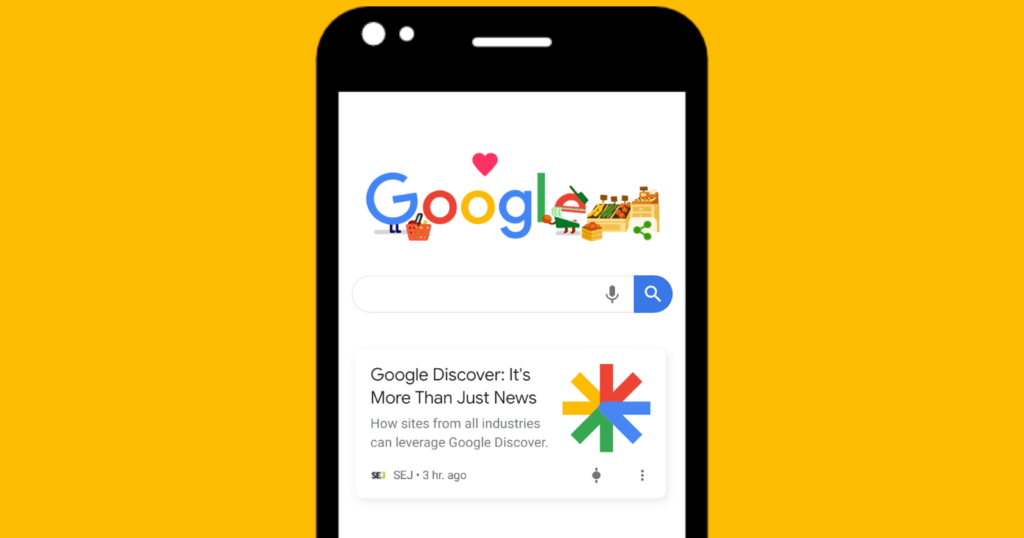
The Google Discover stream resembles a social media feed somewhat exactly. Like those on Facebook and Instagram. Users can click on items that appeal to them, scroll over the feed, and then be taken to the website hosting the material.
Best Ways to Optimize for Google Discover
Now, let’s look at how to get on Google Discover. Follow these six tips to optimize your content for Discover:
1. Create High-Quality Content
A key is having timely material. What counts most is stuff that presents a fresh perspective and delivers the narrative effectively. Here the running word is “unique insights.” Google Top Stories, Google News, and Google Discover all refer to this category. Google values variation in coverage, then.
Google thus values diversity and wants to show it to their consumers if everyone is covering a particular viewpoint regarding a given incident that is occurring and if you can offer another angle or alternative insights to the same issue.
2. Optimize Your Titles
Please make sure your titles are Google Discover friendly after making sure your material is outstanding. Use these best techniques to produce titles best fit for Google Discover:
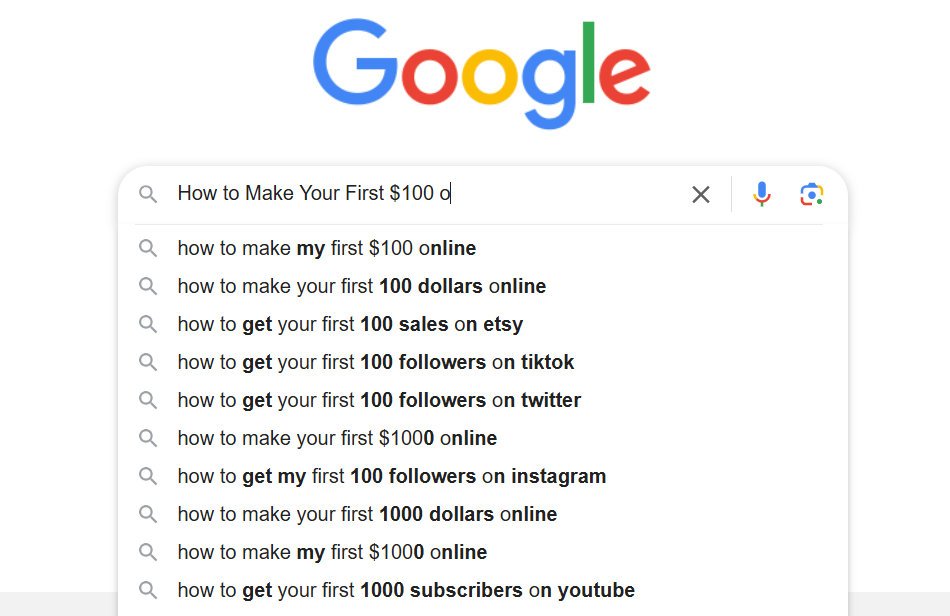
- Tell users in your headline what value they would obtain from reading your material—e.g., “How to Make Your First $100 Online.”
- Ignite interest: With your title, “Eggs vs. Oatmeal: Which Breakfast Option is Healthier for You?” try to pique interest in users so that they are more inclined to click.
- Try to incorporate numerals: Try to use numbers in your title if at all possible; for example, “22% of Americans Have No Emergency Savings.” They often attract people’s attention.
- Steer clear of clickbait: Google Discover rules prevent misleading information; hence, avoid using clickbait titles.
3. Use Compelling, High-Quality Images
Google advises websites to create more Google Discover visitors by using big, high-quality photos. Google’s policies state that big pictures must be 1200 pixels wide or more and enabled by setting the “max-image-preview:large” value.
The pictures you choose should be pertinent to the actual material. Steer clear of using striking visuals unrelated to your topic of work. Spend some time also selecting a striking thumbnail image for your Google Discover material.
4. Improve E-E-A-T
According to Google Discover’s documentation, while deciding whether a piece of content is useful, it employs many of the same signals and rules as Google Search. One of the most crucial factors for search is E-E-A-T, or:
- Experience—Does the author have experience with the topic?
- Expertise—Is the author an expert on the topic?
- Authoritativeness—Is the author (or the website) an authority on the topic?
- Trustworthiness—Is the author (or website) trustworthy?
When developing material for Google Discover, be choosy and give issues related to your experience or those of your content providers top priority.
Focus on offering pertinent and quality information on those issues to establish authority in your specialty over time, which provides better long-term results than broad topics that don’t precisely connect with your brand and expertise.
Following appropriate topic identification, apply these guidelines to enhance your E-E-A-T signals:
- Produce High-Quality Content: Create for your readers well-researched, accurate, and instructive material that adds value. Steer clear of posting sensational, false, or poor-quality material that can erode confidence.
- Regularly Update Content: Clearly state the publication dates, update out-of-date items, and note pertinent update date annotations.
- Showcase Expertise: To show your writers or content providers’ skills, credentials, and experience, highlight their expertise. Add author bios, resumes, certificates, or industry accolades.
- Use structured data to give search engines clearly marked information using article and author markup.
- Cultivate a Reputable Track Record: Share consistently pertinent, high-quality material to build authority in your niche and show a track record of consistency.
- Ensure Transparency: Clearly name sources, quote reliable references, and be open about editorial rules, fact-checking procedures, quality assurance, and any affiliations or sponsorships.
- Improve Website Experience: Emphasizing elements like mobile-friendliness, page load speed, HTTPS, and general website design will help to produce trustworthy, user-friendly experiences.
Following these guidelines will help you to raise your E-E-A-T factors, offer useful material, and establish a reliable and respectable presence that increases your chances of Google Discover recommendation.
Measuring performance and analytics
Google Search Console (GSC) is the easiest tool available for tracking your Google Discover traffic. View daily Google Discover traffic your website receives within the Search Console and compare it with Google Search traffic. Additionally, using GSC will help you:
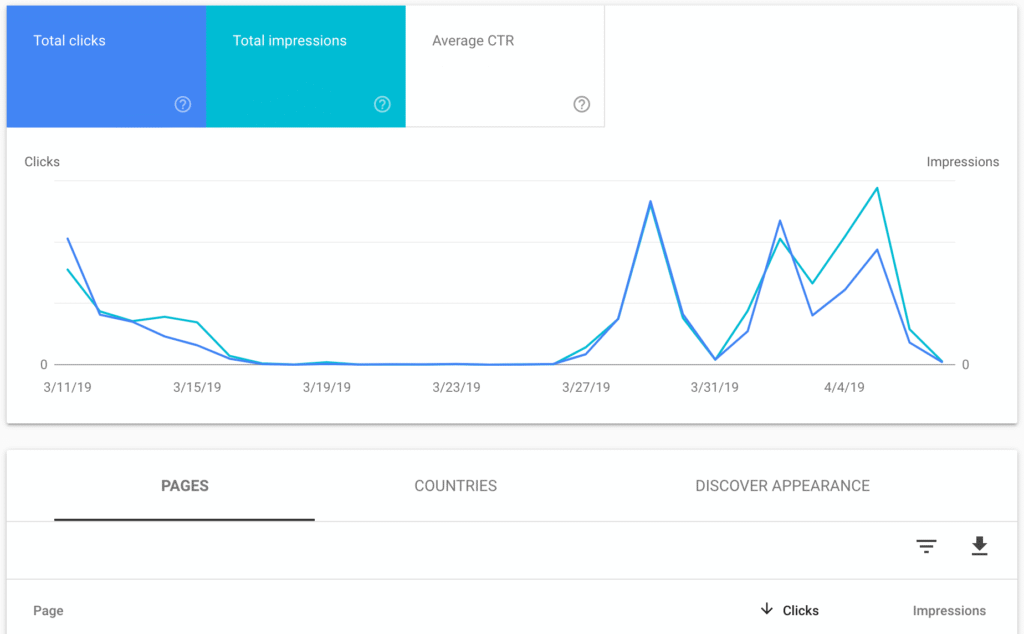
- Review how your material is performing on Google Discover by visiting the Discover performance report found in Google Search Console. You may group, filter, and compare your data as you see appropriate here. Remember that your property needs a minimum of Discover impressions to show up.
- Track important figures: Examine metrics including average click-through rate (CTR), clicks, impressions, and the kinds of material most causing interaction.
- Track traffic trends to find out how your material performs over time. Find and mark interesting trends.
Find which kinds of material, subjects, or formats Google Discover performs best with, and then use that knowledge to guide your future content strategy. Your data is actionable. Examine your data often for seasonal trends and repeating patterns that might guide your publication calendar and content plan.
Analyze audience behavior by means of user interaction with your content, such as which Discover article generates the most interaction, therefore optimizing your approach and offering more pertinent content.
Conclusion
Finally, Google Discover gives businesses a tremendous opportunity to communicate with their target market and create natural traffic. Emphasizing premium, aesthetically engaging materials that meet consumer tastes will enable companies to employ this customized information feed and draw potential customers just at the right moment.
Optimizing for discovery combines an understanding of user intent and behavior with a strategic approach, including SEO best practices. As this platform develops, keeping informed and adjusting your content strategy will be very vital. Including Google Discover in your digital marketing toolset will allow you to increase visibility, interaction, and finally business development.

Vijay Sood is a seasoned digital marketer with a passion for driving online growth and innovation. With a robust background in developing and executing comprehensive digital strategies, Vijay excels in leveraging SEO, content marketing, and social media to boost brand visibility and engagement. His expertise lies in transforming data-driven insights into actionable marketing campaigns, helping businesses achieve their digital objectives.