
The landscape of mental health care is undergoing a profound transformation. Around the world, the online therapy market is booming, with experts forecasting a 14.3% annual growth rate. This prediction reflects an apparent reality: an increasing number of people now choose digital channels when seeking support, highlighting the importance of digital marketing for therapists.
For therapists, a strong online profile has moved from being a nice extra to a vital tool for attracting new clients and expanding their practice through effective digital marketing services. In this article, we will explore some digital marketing tips that help mental health professionals reach their target audience, build trust, and share valuable knowledge through marketing agency strategies. So, let’s begin!
Importance of Digital Marketing for Psychotherapists
Most therapists know that the quality of a caring, professional relationship is what helps clients heal. Yet, before that relationship can start, prospective clients first have to find you. Thoughtful digital marketing for therapists gives practitioners the tools to cultivate that initial trust online and attract clients to your practice. Forging these connections takes more than traditional ads-it requires clear information, a warm online presence, and content that speaks to common concerns about therapy.
Research shows that more than eight in ten people hunting for a therapist begin their search with Google, and many expect to see photos, bios, and helpful articles before making a call. Increasingly, people also value options such as video sessions, chat hotlines, and self-help resources that live on a web page. Because clients are already looking online, a well-planned marketing strategy makes sure your unique skills, friendly tone, and flexible services appear at the moment they are needed, growing your practice while making support easier to find.
Top 10 Essential Digital Marketing Strategies for Psychotherapists
1. A Strong Website as Your Foundation
Think of your website as the front door to your private practice – it shows new visitors who you are and what you do in the realm of therapy, helping clients to find you easily. It needs to load quickly, work well on phones, and guide people without requiring too much mental effort. Include a warm “About Me” section, a clear list of services, and obvious buttons that invite them to “book a free consultation.”

Crisp images and a polished layout build trust, turning casual browsers into serious leads. To take it a step further, consider adding a secure client login or online booking tool to keep paperwork organized and enable clients to reach you with minimal friction.
2. Understand the Power of SEO for Therapists
When a potential client searches for ‘Therapist near me’ or ‘Anxiety therapy,’ good search engine optimization determines whether your practice appears on the first page, which means weaving phrases such as anxiety therapist, couples counseling, and your city or neighborhood into every corner of your website.

Local SEO takes center stage, since most people look for help close to home in their search for a therapist. Fresh, well-researched content that answers everyday mental health questions tells search engines your site is worth showing. Instead of the broad term ‘grief,’ a long-tail phrase like ‘coping strategies for grief’ Zeroes in on what an anxious browser wants. Earning links from respected blogs and community sites adds another layer of credibility that Google notices.
3. Strategic Content Marketing
Content marketing is about providing value to your audience, establishing yourself as an authority, and attracting new clients to your practice naturally. It can be in various forms:

- Blog Posts: Create helpful blog posts about issues that concern your ideal customer, such as “Understanding Depression,” “Managing Stress in Everyday Life,” or “Benefits of Mindfulness.”
- FAQs: Answer frequently asked questions potential clients may have concerning therapy, the process, and what they can expect.
- Videos: Videos can be a powerful tool in your marketing materials to engage potential clients and showcase your therapeutic approach as part of your digital marketing efforts. Brief video explainers of mental health conditions can be very effective and establish rapport.
- Free Resources: Offer downloadable worksheets or manuals that guide individuals in developing coping skills and self-care techniques. This investment in educational content not only benefits your SEO by providing keyword-rich, helpful pages but also enhances your reputation as a compassionate and skilled therapist.
4. Using Social Media Marketing
Platforms such as Facebook and Instagram are invaluable resources for establishing a social media presence and engaging with your public. Post informative content, inspirational quotes, and a glimpse of your therapy approach on various social media platforms to engage your audience. While direct promotion can never be too much, the social media resources mentioned above enable you to tailor your therapy practice, exchange messages with fans, and have traffic sent back to your site.

Utilize dynamic content, such as Q&A sessions or live streaming, to foster more meaningful connections. Posting standard, frequent branded marketing content to your social pages enhances your professional reputation and can generate a significant amount of “new” referrals through shares and recommendations.
5. Targeted Google Ads
If you need quick visibility, Google Ads can be a powerful option in your digital marketing strategy for therapists. Paid campaigns push your listing near the top of search results for keywords that matter to your digital marketing agency. A polished ad setup instantly connects you with people already searching for therapist digital marketing or therapy services, allowing you to expand your reach right away.

To reduce expenses and increase ROI, focus on niche keywords with fewer competitors. Closely monitor performance reports, optimize headlines, and redistribute budgets so that each dollar does more to bring in new clients.
6. The Power of Email Marketing
An email list provides you with a direct channel of communication with prospects and existing clients. You can utilize it to advertise new blog posts, announce workshops, post tips about mental health, or simply greet. Regular helpful emails remind your name in the minds of people and demonstrate expertise.
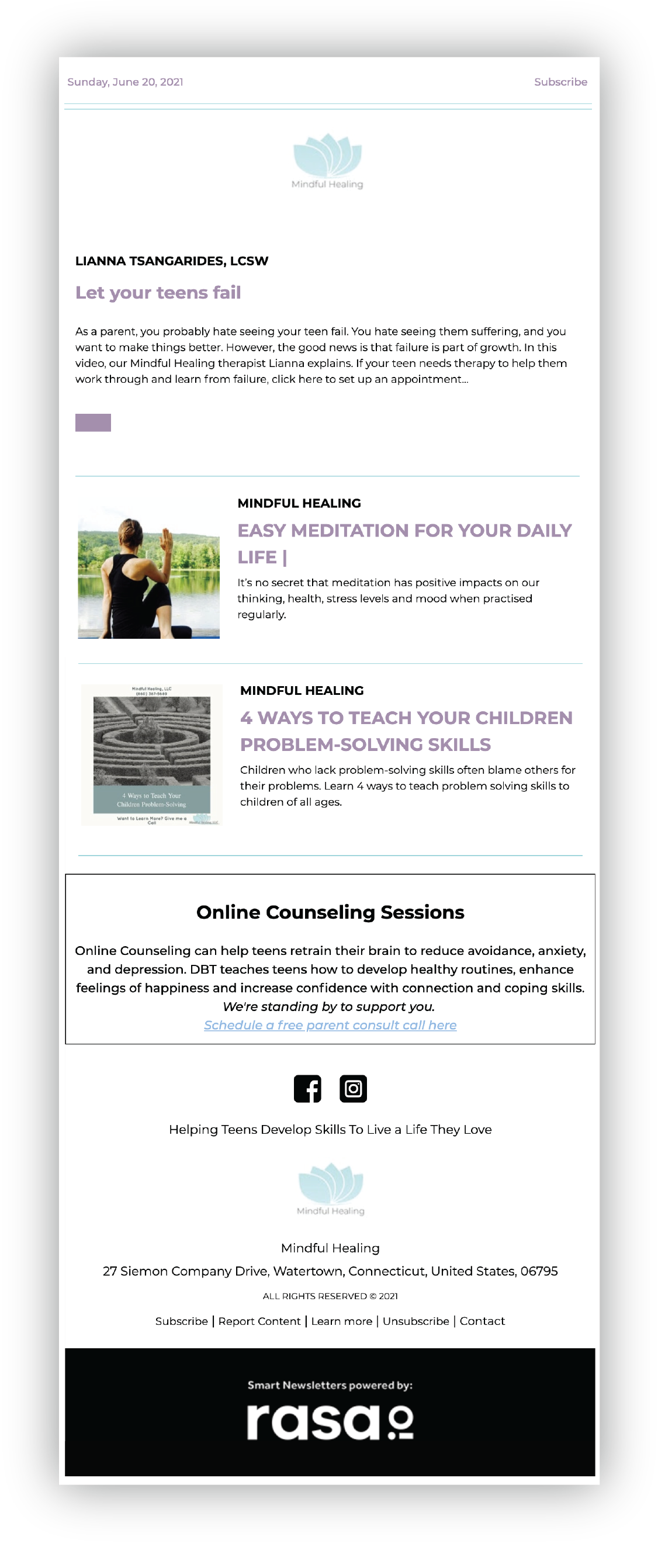
By breaking down the list into blocks, you can send targeted messages that have better clicks and opening rates. To grow the list faster, you might offer a free guide or consultation as a lead magnet for an email address.
7. Professional Listings and Directories
Off-site, get your therapy practice listed in the big mental health provider online listings. Claim and optimize your Google Business Profile with fresh data, images, and a welcoming business description, then ask clients kindly to post honest reviews. Since these pages usually come up near the top of local search results, they usually end up being the first place people check when they need a therapist.

Consistency in name, address, and phone number (NAP) across every directory is crucial, so double-check that each entry matches your website exactly; doing so gives a significant boost to local SEO. Positive reviews not only sway the decision of future clients but also encourage search engines to rank your marketing services higher. The more authentic feedback you have, the more trustworthy your listing appears.
8. Online Workshops and Webinars
Running online workshops or webinars on popular mental health themes helps you share your knowledge, meet new people, and generate leads all at once. You can dive into anything, from overcoming anxiety to speaking more effectively in a couple, and each session showcases your calm, knowledgeable style, enhancing your therapist marketing.

When you push the events through social posts, emails, and your site, they pull in folks looking for just that kind of advice. A free introductory class or a small fee helps more people through the virtual door, and once they’ve watched, they feel ready to call for a one-on-one chat. By turning knowledge into live talks, you open clear paths for questions and bookings, giving your therapist marketing the boost you want.
9. Strategic Partnerships and Referrals
Connecting with nearby doctors, schools, gyms, and community centers can generate warm referrals that complement your online marketing materials. Attend local meet-and-greets or join a Zoom call and offer to lead a short talk or hands-on workshop for their staff or members. When everyone knows how referrals will be exchanged, trust grows almost immediately, convincing newcomers that you are a safe option.

You might also team up with a nutritionist, yoga instructor, or other helpful service to run a free webinar or share a flier, opening doors to clients you could not reach alone. Healthy partnerships generate high-quality leads, strengthen your community ties, and provide steady, visible momentum to your therapy business.
10. Reputation Management and Online Reviews
Your private practice’s online reputation can make or break your business, so keeping an eye on the conversation is crucial for your marketing efforts. Scan popular review platforms such as Google, Yelp, and Healthgrades for new comments and trends. When satisfied clients share uplifting experiences, that positive feedback acts as social proof, assuring future patients they’re in good hands.

Always reply to reviews, showing professionalism and empathy, which enhances your digital marketing efforts. tells everyone that you’re genuinely invested in client well-being, regardless of whether the comment is complimentary or critical. Over time, consistent review management will enhance your credibility, improve your search rankings, and ultimately increase new client referrals. In short, a glowing online reputation is a priceless piece of your digital marketing for therapists puzzle because it amplifies everything else you are doing.
Challenges in Digital Marketing for Psychotherapists
Even with a solid plan, therapists often encounter obstacles that are unique to the mental health field, so being aware of them upfront can help you grow in your practice. Attacking these issues head-on keeps your online marketing effective and, more importantly, ethical.
- Ethical and Confidentiality Concerns: Protecting client privacy and adhering to professional codes is non-negotiable for every therapist, and this duty extends to every social media post and marketing project. Whenever you consider showcasing a success story or collecting a glowing testimonial, pause to confirm that no personal information is revealed and no boundaries are crossed.
- Battling Misunderstanding and Stigma: Even as public conversation about mental health broadens, outdated attitudes still linger and can make potential clients hesitant to click on a therapist’s site. Marketing copy, therefore, needs to be gentle, clear, and factual so that it normalizes therapy and nudges more people toward the help they truly need through effective marketing efforts.
- Slicing Through a Noisy Online Marketplace: Social media feeds, blogs, and ad slots are packed with therapists promoting their services, so breaking out of the crowd demands a narrow specialty, regular fresh posts, and innovative search engine tricks that put the practice in front of eyes that need it.
- Time Scarcity and the Tech Learning Curve: Most clinicians enter the profession eager to support others, not to master Google Analytics or the latest App algorithm, yet those tasks consume hours that could otherwise be spent with clients and personal care, leaving many to weigh whether DIY or hiring a professional is the better trade-off.
- Money Matters for Solo Practices: Digital outreach often costs less than print or radio, but building an effective campaign still bites into a sole practitioner’s budget, making careful cost mapping, pilot tests, and the search for tools or freelancers that fit limited funds essential.
Conclusion
Putting together a solid marketing plan for your therapy practice requires more than selecting one or two tactics; it calls for a cohesive approach. When you weave social media, search engines, and offline outreach into a coherent strategy, the result feels more comprehensive and professional.
By taking these steps, you open your virtual door wider, allowing people to find help even when they can’t visit your physical office yet. In doing so, you don’t just grow your practice-you give desperate, lonely people a straightforward way to reach the care they deserve.

Vijay Sood is a seasoned digital marketer with a passion for driving online growth and innovation. With a robust background in developing and executing comprehensive digital strategies, Vijay excels in leveraging SEO, content marketing, and social media to boost brand visibility and engagement. His expertise lies in transforming data-driven insights into actionable marketing campaigns, helping businesses achieve their digital objectives.

